
Bass Fishing In Alabama


Guide to fishing for largemouth, smallmouth, spotted, redeye and shoal bass in AL.
By Rick Seaman

Alabama Bass Fishing
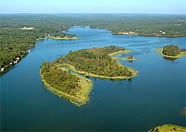
The largemouth bass is the official Alabama state fish. And they grow big in Alabama due to the moderate temperatures in the south. Bass fishing in Alabama is a beloved pursuit, cherished by anglers of all ages, backgrounds, and skill levels. Few experiences rival the thrill of hooking into a largemouth or smallmouth bass, making it a timeless pastime that transcends cultural boundaries. Whether you're a seasoned pro or a novice angler eager to learn the ropes, mastering the art of bass fishing can be immensely rewarding. That's why this page is dedicated to offering invaluable insights and tips on bass fishing, providing a comprehensive guide on everything from bass fishing techniques to essential bass-catching strategies. Whether you're seeking advice on selecting the perfect lure or honing your casting skills, we're here to equip you with the knowledge and expertise needed to excel on the water. Dive into our wealth of information to discover the secrets of successful bass fishing and unlock the full potential of your angling endeavors.
2024 Bass Fishing Favorites
Largemouth Bass Fishing In Alabama
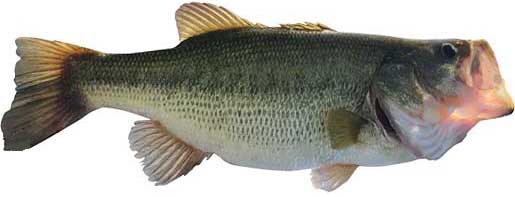
Largemouth bass are the most abundant, and most pursued bass in Alabama. They are available in most warm-water lakes in the state, they tend to thrive in most water conditions and grow to bragging size in relative short order. Often called big mouth bass, or wide mouth bass, they are savvy predators that feed on most things that live in their territory. Bass in the 5 to 10-pound range are common in Alabama. The state record largemouth bass is over 16 pounds.
Finding & Catching Bigmouth Bass
Anglers can target largemouth bass using a variety of techniques such as topwater lures, spinnerbaits, and plastic worms. Spring and early summer are typically the best seasons for targeting largemouth bass as they are more active and feeding near shoreline cover. Start with topwater baits, as they cover the water most efficiently. Reaction baits like crankbaits and spinnerbaits are the next choice. For finicky bass, plastic worms and jigs may entice a bite as you can move them very slowly around cover. In the heat of summer and the cold of winter bass move to deeper water, usually following the baitfish. Jigs, drop shot rigs and spoons are a good approach for bass holding in deep water. Vary your retrieve speed and action to find what the bass like today!
Smallmouth Bass Fishing In Alabama
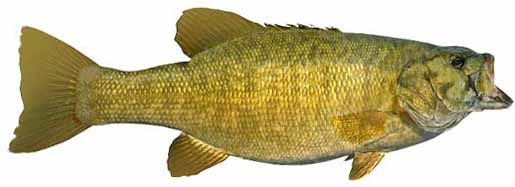
While smallmouth bass don't grow as large as their cousin the largemouth, they make up the difference with tenacious fights. Known for long battles and spectacular jumps, smallies grow fat and strong but rarely exceed ten pounds. Their range and locations are often with or nearby the largemouths. The state record smallmouth bass is over 10 pounds.
Smallmouth bass are another prized species in Alabama, particularly in the state's cooler and clearer rivers and streams. Anglers can find smallmouth bass in areas with rocky structures, such as rock ledges and shoals. Crankbaits, jigs, and live bait presentations are effective in enticing strikes from smallmouth bass. The best times to target smallmouth bass are in the spring and fall when water temperatures are optimal for their feeding and spawning behaviors.
Spotted Bass Fishing In Alabama
Spotted bass, also known as Kentucky bass, are widespread throughout Alabama's waters and provide exciting fishing opportunities. They can often be found in lakes and rivers with a mix of rocky and woody cover. Similar to largemouth bass, spotted bass can be targeted using a variety of lures and techniques, including crankbaits, jerkbaits, and finesse worms. Spring and early summer are productive times to catch spotted bass as they actively feed before the warmer months.
Redeye Bass Fishing In Alabama
Redeye bass, also called Coosa bass or redeye sunfish, are native to Alabama's Coosa River basin and offer anglers a unique fishing experience. These colorful and feisty bass can be found in flowing rivers and streams with rocky bottoms and clear water. Anglers can target redeye bass using small crankbaits, jigs, and streamer flies. Spring and early summer are the prime times to catch redeye bass as they move into shallow areas to spawn.
Shoal Bass Fishing In Alabama
Shoal bass, another native bass species to Alabama, are predominantly found in the Chattahoochee River and its tributaries in the southeastern part of the state. These powerful bass prefer rocky shoals and swift current areas. Anglers can use a variety of lures, including topwater baits, jigs, and crankbaits, to entice shoal bass strikes. Spring and early summer are the best times to target shoal bass as they become more active and aggressive.
Bass fishing basics video.
2024 Best Bass Fishing Lakes In Alabama
You can find bass in most every lake in Alabama including Aliceville Lake, Bankhead Lake, Bartlett’s Ferry Reservoir, Bear Creek Reservoir, Big Creek Lake, Cedar Creek Reservoir, Gainesville Lake, Jones Bluff Reservoir, Jordan Lake, Lake Eufaula, Lake Guntersville, Lake Harding, Lake Martin, Lake Mitchell, Lake Oliver, Lake Tuscaloosa, Lake Wedowee, Lay Lake, Lewis Smith Lake, Logan Martin Lake, Millers Ferry Reservoir, Neely Henry Lake, Pickensville Lake, Pickwick Lake, R E Bob Woodruff Lake, R L Harris Reservoir, Smith Lake, Walter F. George Lake, Weiss Lake, West Point Lake, Wheeler Lake, William Bill Dannelly Reservoir, Wilson Lake, Yates Lake and many other lakes as well as ponds, creeks and rivers.
Alabama's diverse bass fishing opportunities and the presence of multiple bass species make it a haven for bass anglers. Whether targeting largemouth, smallmouth, spotted, redeye, or shoal bass, anglers can enjoy thrilling fishing experiences and the chance to catch trophy-sized fish. It's important to familiarize oneself with Alabama fishing regulations, including size and bag limits, and obtain the necessary fishing licenses before heading out to fish for bass in Alabama's waters.

Bass In Alabama
Largemouth bass
World record: 22 lbs 4 oz
State Record: 16 lbs 8 oz
Smallmouth bass
World record: 11 lbs 15 oz
State Record: 10 lbs 8 oz

Spotted bass
World record: 9 lbs 8 oz
State Record: 8 lbs 15 oz

Shoal bass
World record: 7 lbs 8 oz
State Record: 6 lbs 11 oz

Redeye bass
World record: 8 lbs 12 oz
State Record: 3 lbs 2 oz
Click the images and links above for species details.
Top 5 bass fishing lures for Alabama this year
When bass are shallow, spinnerbaits, crankbaits and top water lures are the most productive. As they move deeper, worms and jigs are among the top producers.
Alabama State Record Bass
The state record largemouth bass was caught from Mountain View Lake.
The state record smallmouth bass came from Wheeler Dam Tailwater.
The state record redeye bass came out of Choccolocco Creek.
The state record shoal bass was caught in Halawakee Creek.
The state record spotted bass was caught out of Smith Lake.

Bass are one of the most sought after of all the game fish. Its appeal spans cultures, age groups and genders to tap on the heart strings of anglers everywhere. Join us in our endeavor to offer information about bass fishing on your favorite bass lake in Alabama.

Understanding the primary seasonal movements of smallmouth bass and largemouth bass is key to locating them on local lakes in the Yellowhammer State.
Bass fishing information by state.


The lifecycle of bass
The more you know about the seasonal migration of bass, the more likely you are to be looking in the right area next time you visit Alabama bass fishing lakes. Visit the bass fishing page for more in-depth information about bass activities.
ALABAMA