
Bass Fishing In Arizona


Guide to fishing for smallmouth and largemouth bass at top bass lakes in the Grand Canyon State.
By Rick Seaman
- Arizona Bass Fishing
- Largemouth Bass
- Smallmouth Bass
- AZ Bass Records
- Leave A Comment
- Best Bass Lakes In AZ
- Roosevelt Lake
- Lake Havasu
- Apache Lake
- Alamo Lake
- Bartlett Lake
- Lake Pleasant
- Canyon Lake
- Saguaro Lake
- San Carlos Lake
- Patagonia Lake
- Bass Fishing Video
- Top Bass Lures
- Top Five Bass Lakes In AZ
Arizona Bass Fishing
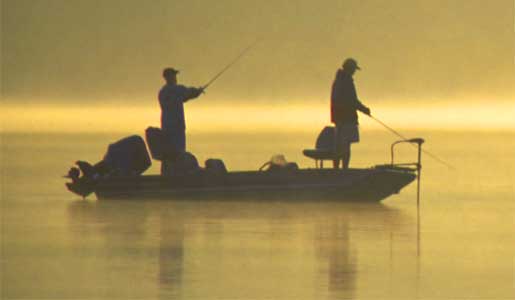
Bass fishing in Arizona is a beloved pursuit, cherished by anglers of all ages, backgrounds, and skill levels. Few experiences rival the thrill of hooking into a largemouth or smallmouth bass, making it a timeless pastime that transcends cultural boundaries. Whether you're a seasoned pro or a novice angler eager to learn the ropes, mastering the art of bass fishing can be immensely rewarding. That's why this page is dedicated to offering invaluable insights and tips on bass fishing, providing a comprehensive guide on everything from bass fishing techniques to essential bass-catching strategies. Whether you're seeking advice on selecting the perfect lure or honing your casting skills, we're here to equip you with the knowledge and expertise needed to excel on the water. Dive into our wealth of information to discover the secrets of successful bass fishing and unlock the full potential of your angling endeavors.
Largemouth Bass Fishing In AZ
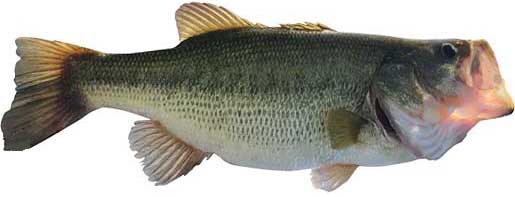
Largemouth bass are the most abundant, and most pursued bass in Arizona. They are available in most warm-water lakes in the state, they tend to thrive in most water conditions and grow to bragging size in relative short order. Often called big mouth bass, or wide mouth bass, they are savvy predators that feed on most things that live in their territory. Bass in the 5 to 10-pound range are common in Arizona. The AZ state record largemouth bass is over sixteen pounds.
Finding & Catching Bigmouth Bass
Anglers can target big mouth bass in various lakes, reservoirs, and rivers. Spring and early summer are typically the best seasons for targeting largemouth bass as they are more active and feeding in the shallows near shoreline cover. Start with topwater baits, as they cover the water most efficiently. Reaction baits like crankbaits and spinnerbaits are the next choice. For finicky bass, plastic worms and jigs may entice a bite as you can move them very slowly around cover. In the heat of summer and the cold of winter bass move to deeper water, usually following the baitfish. Jigs, drop shot rigs and spoons are a good approach for bass holding in deep water. Vary your retrieve speed and action to find what the bass like today!
Smallmouth Bass In AZ
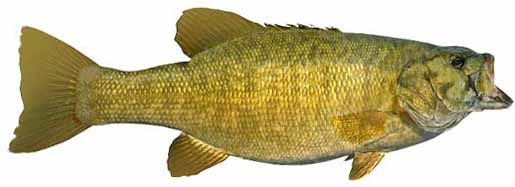
While smallmouth bass don't grow as large as their cousin the largemouth, they make up the difference with tenacious fights. Known for long battles and spectacular jumps, smallies grow fat and strong but rarely exceed ten pounds. Their range and locations are often with or nearby the largemouths. The AZ state record smallmouth bass is just over seven pounds
Record bass In Arizona
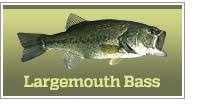
Largemouth bass
World record: 22 lbs 4 oz
State Record: 16 lbs 7.68 oz
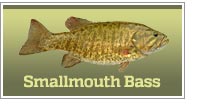
Smallmouth bass
World record: 11 lbs 15 oz
State Record: 7 lbs 0.96 oz
Click the images and links above for species details.
The state record largemouth was taken out of Canyon Lake.
Roosevelt Lake produced the state record smallmouth.
Top Arizona Bass Fishing Lakes For 2024
Roosevelt Lake
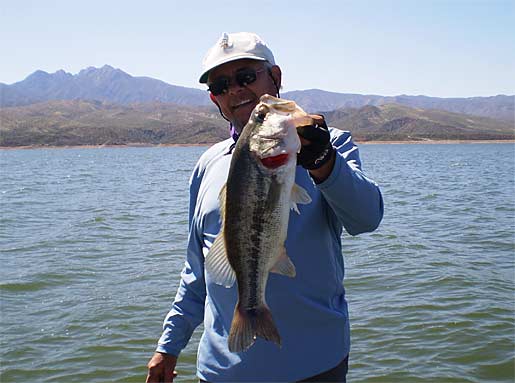
Roosevelt Lake in Arizona stands out as a prime destination for both largemouth and smallmouth bass fishing enthusiasts. I have fished this lake for over 50 years, through good times and bad, and it is a bass factory. Conditions are ideal for great fishing in 2024. This expansive reservoir, nestled in the Tonto National Forest, provides a diverse and challenging environment for anglers. Largemouth bass, known for their size and aggressive strikes, are often found in the lake's warmer, shallower waters near submerged vegetation and structures. At other times they may be holding on deep structure, far from the bank. Anglers often find success using soft plastic baits, crankbaits, jigging spoons and jigs to entice these trophy-sized largemouth bass. The lake's varied topography, from Cholla to Schoolhouse Point includes rocky points, submerged brush, creek channels, ledges and deep structure.
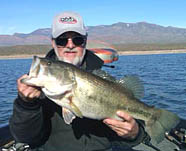
While largemouth bass take center stage, Roosevelt Lake also offers opportunities for smallmouth fishing. Smallmouth bass enthusiasts can explore the deeper, rocky areas of the lake where these feisty fighters often congregate. The area around Windy Hill and the shoreline along the highway are popular smallmouth hangouts. Roosevelt Lake water clarity varies throughout the year depending on the amount of water entering the lake form The Salt Rivet and Tonto Creek. Techniques such as drop-shotting, tube baits, and jerkbaits are effective in enticing the aggressive smallmouth bass, especially when the water is clear. With its combination of largemouth and smallmouth bass fisheries, Roosevelt Lake stands as a versatile and captivating destination for bass anglers of all skill levels. The Roosevelt Lake Marina offers fishing boat rentals and fishing supplies.
Lake Havasu
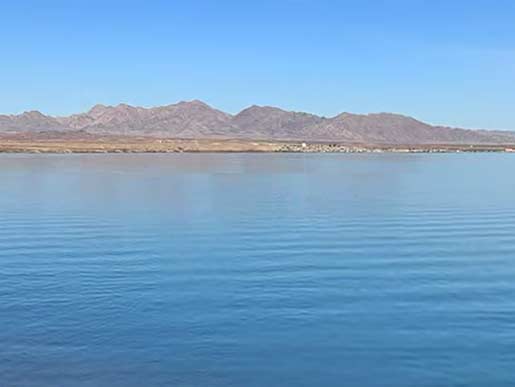
Lake Havasu on the Arizona border is renowned for its exceptional bass fishing, attracting anglers and tournament competitors from across the country. Recent bass tournament tesults bear out the claim that Lake Havasu is a top-notch fishery. The lake is known for its population of smallmouth bass with the added bonus of a nice largemouth bass fishery. Anglers use various fishing techniques, from topwater lures to deep diving crankbaits, jigs and worms during midday. With its clear waters and submerged structures, Lake Havasu provides the perfect setting for anglers to engage in the thrill of quality bass fishing. Smallmouth tend to congregate in the main lake, while some of the better largemouth fishing can be found several miles north of London Bridge, in the Colorado River section.
Bass fishing at Lake Havasu offers anglers to target shallow weeds, lake points and rocky structure. Lake Havasu is equipped with convenient facilities, including multiple boat ramps, making it easily accessible from both Arizona and California. Whether casting a line from shore, or exploring the lake by boat, bass fishing at Lake Havasu offers a memorable and fulfilling experience for anglers of all skill levels.
Apache Lake
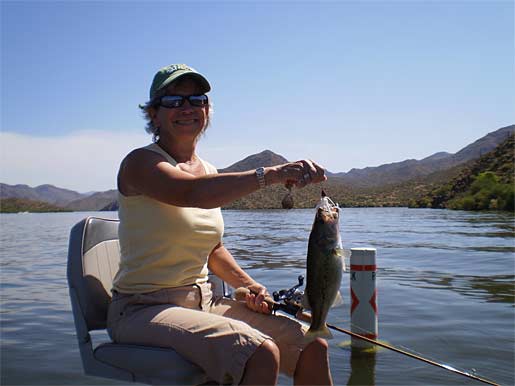
Apache Lake, the second lake in the Salt River chain of lakes in Arizona, beckons bass fishing enthusiasts with its unique blend of largemouth and smallmouth bass. Anglers can launch at Burnt Corral Campground, or at the Apache Lake Marina, and find populations of bass throughout the lake. Largemouth bass, known for their size and powerful runs, find refuge in the lake's diverse shallow and deep structures, including rocky ledges, and underwater boulders. Anglers targeting largemouth bass at Apache Lake often use topwater lures, crankbaits, spinnerbaits, jigs and soft plastic baits. The challenging nature of largemouth bass fishing at Apache Lake, combined with the stunning desert landscape surrounding the lake, creates an impressive and rewarding experience for anglers seeking both adventure and trophy-sized catches.
In addition to its largemouth bass offerings, Apache Lake boasts a thriving population of smallmouth bass, adding an extra layer of excitement for anglers. Smallmouth bass enthusiasts can explore the rocky shorelines and underwater structures where these feisty fighters are known to lurk. Techniques such as using small crankbaits, jerkbaits, or finesse tactics like drop-shotting prove effective in enticing smallmouth bass to strike. With its dual allure of both largemouth and smallmouth bass fishing, Apache Lake stands as a captivating destination for bass fishing in the heart of the Arizona desert.
Alamo Lake
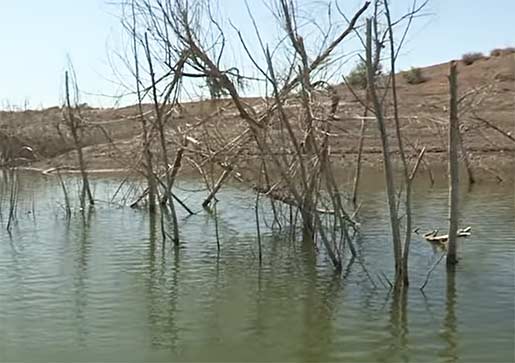
Alamo Lake, on the Bill Williams River in western Arizona, is a haven for bass enthusiasts, offering quality largemouth bass fishing. The main boat launch is located in the southwest corner of the lake at Alamo State Park, which offers RV and tent camping with hookups and rest rooms. The Cholla Boat Ramp is also located in the park, mid-lake on the south side of the lake. At times, largemouth bass thrive in the lake's shallow, weedy areas, providing anglers with a chance to navigate through the submerged vegetation to target these formidable fighters. Other times schools of bass can be found on deeper structure, usually following baitfish. Successful tactics for largemouth bass at Alamo Lake include using topwater lures, soft plastic worms, and jigs. The lake's fluctuating water levels add an additional layer of complexity, making the pursuit of largemouth bass at Alamo Lake both challenging and rewarding.
Bartlett Lake
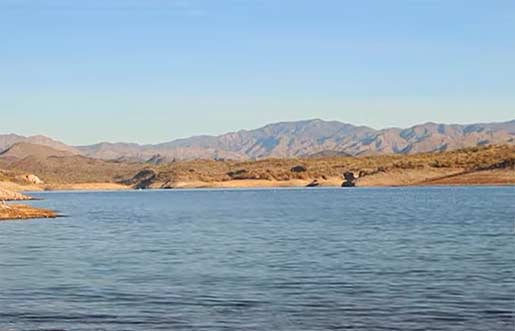
Bartlett Lake, situated east of Carefree amidst the scenic Sonoran Desert in Arizona, offers a promising largemouth bass fishing experience for anglers. Largemouth bass enthusiasts can explore the lake's diverse underwater structures, including submerged brush, rocky points, boulders, and coves, providing ample opportunities to target these elusive predators. Techniques such as flipping jigs, working soft plastic creature baits, or employing topwater lures near the lake's shoreline prove effective in enticing strikes from Bartlett Lake's largemouth bass population.
Lake Pleasant
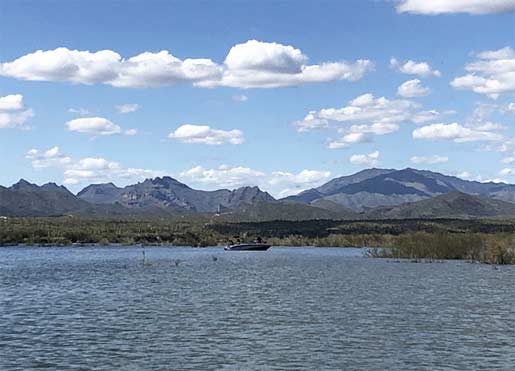
Lake Pleasant in Arizona has two major marinas and multiple concrete boat launch ramps, making the lake easily accessible to bass fishing enthusiasts. The lake also has heavy, pleasure boat traffic. The lake, surrounded by desert landscapes, harbors a thriving population of largemouth bass. Populations of bass at Lake Pleasant can be found near underwater structures, rocky points, and submerged vegetation, providing opportunities for various fishing techniques. Anglers often find success using soft plastic baits, crankbaits, and topwater lures to entice strikes from these elusive predators
Canyon Lake
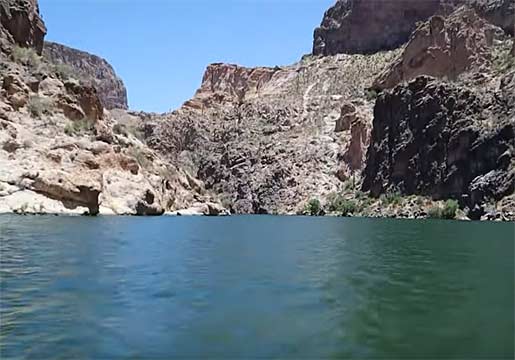
Canyon Lake is the third lake in the Salt River Chain of lakes. Less than an hour from the Valley Of The Sun, Canyon Lake provides an enticing setting for largemouth bass fishing enthusiasts. With its steep, rocky shorelines, submerged structures, and varying depths, the lake offers a diverse range of habitats where largemouth bass thrive.
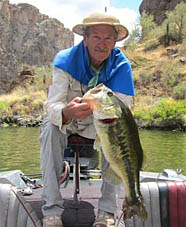
The lake does not get excessive fishing pressure, and the bass tend to grow large, chances of catching a lunker are quite good here. The challenge lies in navigating the clear waters and strategically presenting lures near underwater structures where largemouth bass often lurk. Light line and small lures work well. Many large bass are caught from Canyon Lake each year. Canyon Lake Marina serves the fishing and boating population with a variety of supplies and services.
Saguaro Lake
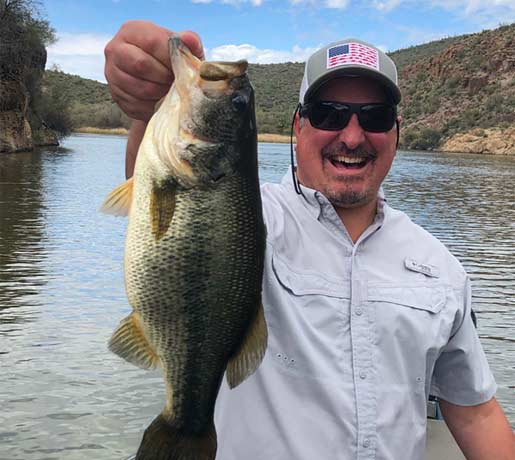
Saguaro Lake is the fourth lake in the Salt River Chain of lakes, located just north of Apache Junction, Arizona. Largemouth bass fishing is a challenge due to heavy boat traffic by pleasure boaters. Anglers choosing to fish during winter or midweek find the fishing less challenging. The lake's diverse underwater structures, including rocky points, submerged vegetation, and drop-offs, create an ideal habitat for largemouth bass. Anglers choose soft plastic baits, crankbaits, and swimbaits to entice strikes from the lake's elusive largemouth bass population. Saguaro Lake stands out as a convenient destination for Metro Phoenix area anglers to go bass fishing close to home. However, as the last lake in the chain it supports a much smaller population of bass. Visit Saguaro Lake Marina for boat rentals, fuel and fishing supplies.
San Carlos Lake
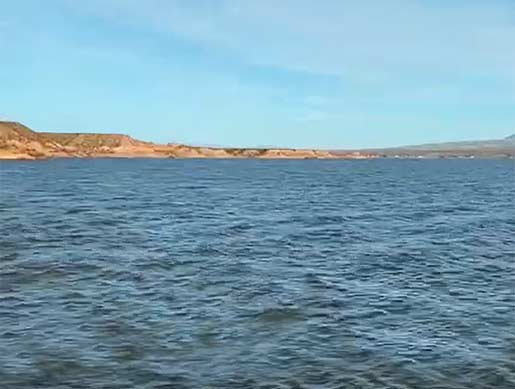
San Carlos Lake in Arizona is known for quality largemouth bass fishing and a healthy population of crappie. Bass here feed on crappie and grow big very quickly. Multiple types of cover include submerged brush and trees, rocky shorelines, ledges and creek channels provide an ideal habitat for largemouth bass. Anglers favor soft plastic worms, jigs, and spinnerbaits, to entice strikes from these elusive predators. San Carlos Lake not only presents an opportunity for anglers to engage in the thrill of largemouth bass fishing but offers the opportunity for catching multiple lunkers.
Patagonia Lake
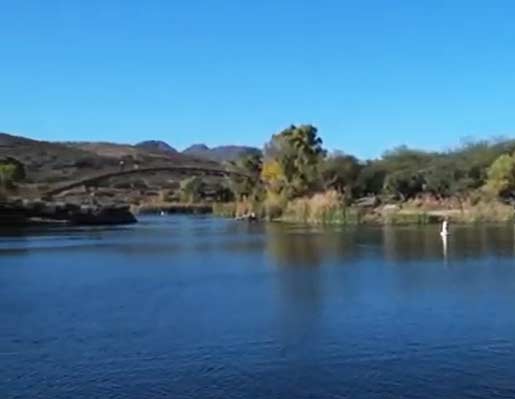
Patagonia Lake in Arizona has only 260 surface acres, but provides anglers with a serene and rewarding largemouth bass fishing experience amidst the Southern Arizona landscape. Nestled in the rolling hills, the lake boasts a healthy population of largemouth bass. Anglers can explore the lake's submerged trees and aquatic vegetation, to target these elusive predators. Soft plastic baits, topwater lures, and jigs are effective for largemouth bass in Patagonia Lake.
Other Bass Fishing Lakes In Arizona
Along the Colorado River Lake Powell, Lake Mead, Lake Mohave and Martinez Lake all offer fine largemouth bass fishing. These are big waters which support both quantity and quality of bass. These typically clear water reservoirs test the anglers skills and offer many ways to catch bass.
Bass lakes in the cooler parts of the state include Black Canyon Lake, Goldwater Lake, Lynx Lake, Rainbow Lake, Show Low Lake and Watson Lake.
Bass fishing basics video.
Top 5 bass fishing lures for Arizona this year
When bass are shallow, spinnerbaits, crankbaits and top water lures are the most productive. As they move deeper, worms and jigs are among the top producers.
Visit the Bass Knowledge Center for more detailed information about bass and bass fishing. The Arizona Game & Fish Department manages bass and other species in lakes across the state. We endeavor to offer valuable information here about bass fishing on your favorite lake in Arizona.
If you like to bass fish south of the border, click here for information on some of the most popular bass fishing lakes in Mexico as well as maps and travel details.
Bass Fishing In Arizona
Arizona is a haven for bass fishing enthusiasts, offering abundant opportunities to target both largemouth and smallmouth bass. Largemouth bass, known for their size and strength, are a popular game fish in the state. Anglers can find largemouth bass in various lakes and reservoirs, including Roosevelt Lake, Apache Lake, and Lake Pleasant. These fish are often found near submerged structures such as rocky shorelines, submerged vegetation, and fallen trees. Techniques such as flipping and pitching soft plastics, using topwater lures, or working crankbaits along the bottom can entice strikes from these powerful bass.
On the other hand, smallmouth bass provide a thrilling challenge for anglers seeking a more aggressive and hard-fighting fish. Arizona's rivers, such as the Colorado River and the Salt River, are known for their healthy populations of smallmouth bass. Anglers can target smallmouth bass by casting with jigs, spinnerbaits, or crankbaits near rocky areas, submerged ledges, or current breaks. These agile fish are known for their acrobatic leaps and tenacious fights, making smallmouth bass fishing a thrilling pursuit in Arizona.
Understanding the primary seasonal movements of smallmouth bass and largemouth bass is key to locating them on local lakes in the Grand Canyon State.

Rick Seaman is a bass fishing enthusiast with over five decades of bass fishing experience, a retired bass tournament fisherman and co-author of the book "Bass Fishing. It's not WHAT you throw, It's WHERE you throw it" .
Bass fishing information by state.


The lifecycle of bass
The more you know about the seasonal migration of bass, the more likely you are to be looking in the right area next time you visit Arizona bass fishing lakes. Visit the bass fishing page for more in-depth information about bass activities.
ARIZONA

General Fishing Info