
Guide To Fishing for Crappie
Tips, tactics and crappie lakes listed by state.


Crappie Fishing
How To Fish For Crappie
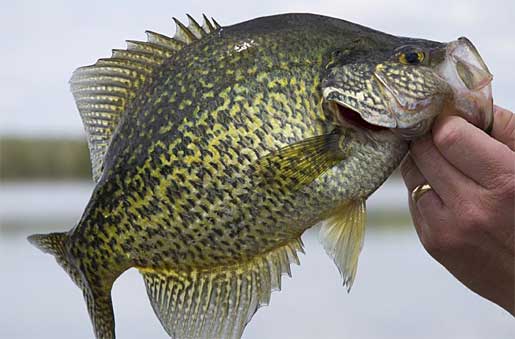
Crappie, esteemed for their delectable flesh and spirited fights, present an enticing challenge for anglers of all experience levels. These schooling fish offer an array of opportunities for catching crappie throughout the year. Understanding their habits and preferred environments is key to success. Many lakes are often populated with healthy schools of both black crappie and white crappie.
Best Way To Catch Crappies
Use light tackle, with 4 to 6-pound line and small hooks (#2 or #4) for live bait. Small crappie jigs are also productive and come in a wide range of colors to work in varied water clarity. Experiment with colors until you find the one that works best that day. For drifting or trolling, 1.2 miles per hour seems to be an ideal starting point. For jigging, experiment with very slow, to aggressive action.
2024 Crappie Fishing Options
Black Crappie
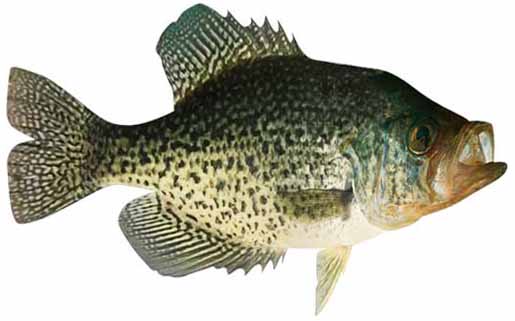
Black crappie, also known as specks, are typically found in deeper, cooler waters. They are known for their distinctive black mottled patterns and their preference for submerged vegetation or woody cover. Anglers targeting black crappie often use techniques such as vertical jigging, casting with small jigs or minnow imitations, or fishing with live bait near structures. The current world state record for black crappie stands at 6 pounds.
White Crappie
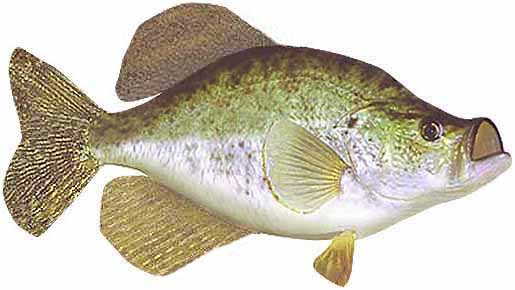
White crappie, also known as silver perch, are known for their silvery coloration and vertical stripes. They are more tolerant of warm water and can be found in shallower areas with less cover. White crappie are often found near submerged brush, fallen trees, or rocky shorelines. Anglers targeting white crappie in lakes often use similar techniques as with black crappie, such as jigging or using live bait. The current world state record for white crappie is well over 5 pounds.
Locating Schools Of Crappie In Lakes
Generally speaking, warm-water lakes with submerged brush create the ideal environment for crappie. Using a fish finder is the best way to locate crappie. They tend to be school up near brush (or other cover), and tend to stack vertically on the fish finder screen. Without a fish finder, use the old-fashion method of trial and error in areas with submerged brush. In spring, spawning bays are a great place to start.
Spring emerges as the prime season for crappie enthusiasts, as these cunning fish engage in their annual spawning runs. During this time, they exhibit heightened activity levels, making them more susceptible to angling efforts. Crappies are particularly fond of cover, seeking refuge among submerged brush, stumps, or artificial structures. These structures provide shelter and ambush points, making them ideal hunting grounds for crappie anglers.
Top Crappie Fishing Techniques
Still-fishing, casting, trolling, and drifting are all viable methods for enticing these elusive fish. Each approach requires careful consideration of factors such as water depth, structure, and prevailing weather conditions. Anglers must adapt their tactics accordingly. Once a crappie is caught, work that area over thoroughly as crappie run in schools.
In the early hours of dawn, crappies often venture closer to the surface in search of prey. As the sun ascends in the sky, they gradually descend to depths of 5 to 10 feet or more, depending on water clarity and environmental variables. Midday finds them seeking refuge in deeper waters, often retreating to depths of 25 feet or beyond. However, as dusk approaches, crappies may once again ascend towards shallower water depths, drawn by the fading light and the promise of nocturnal feeding opportunities.
Night Fishing For Crappie
Fishing for crappie at night presents a particularly enticing prospect for crappie enthusiasts, with the cover of darkness often enhancing their feeding instincts. Warm-water lakes, in particular, offer fertile grounds for nocturnal angling excursions year round. Crappie fishing lights, strategically positioned to attract insects and smaller baitfish, can serve as beacons of opportunity for crappies prowling in the darkness. Live minnows or crappie jigs are the top producers at night. At night, anchor over deeper water nearby brushy shorelines and allow the crappie lights to draw the fish to you.
Ice Fishing For Crappie
When the cold winter weather sets in and the lakes freeze over, it's time to dig out the ice fishing gear. Crappie fishing through the ice can make a fun day for anglers of all ages. Visit the Ice Fishing page for details.
Top Baits For Crappie
When it comes to bait selection, crappies exhibit a voracious appetite for a variety of offerings. Live bait, especially minnows, are often the best bait, especially if the crappie are not active. In addition, worms and crickets are perennial favorites among many anglers, enticing bites with their natural movements and scents. Artificial lures, including jigs, spinners, and soft plastics, also hold considerable appeal, mimicking the appearance and behavior of crappie's preferred prey.
Where To Find Crappie
As for the question of where to catch crappie, the answer lies in their penchant for structure and cover. Major lakes, ponds, rivers, and reservoirs all provide potential habitats for these versatile fish. Anglers should focus their efforts on areas with ample cover, such as submerged vegetation, fallen trees, and rocky outcrops. By carefully assessing the aquatic landscape and employing effective fishing techniques, anglers can unlock the secrets of crappie fishing and enjoy bountiful harvests year-round.
Black Crappie
Promoxis nigro-maculatus
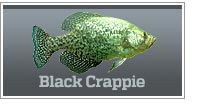
Prefers deep impoundments with fairly clear to slightly stained water with brush or trees for cover. Ideal water temperature: 66° to 76°
World record: 6 pounds, 0 ounces
This is the darker of the two species, has seven or eight dorsal spines, has spotted sides and is typically found more in the northern states. They prefer larger, deeper impoundments.
White Crappie
Promoxis annularis
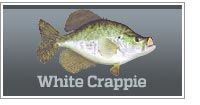
Prefers warmer, slightly stained to murky water with little or no current with brush or trees for cover. Ideal water temperature: 64° to 80°
World record: 5 pounds, 3 ounces
Lighter in color, it has six dorsal spines, has eight or nine vertical bands on its sides and is found primarily in the southern states, and prefers quiet backwaters. Whites are often found in murkier waters.
Best Crappie Lures
Baits which imitate minnows, insects, worms or small crustaceans will attract them. See a list of the top producing crappie lures. The more aggressive they are, the faster you can move the bait in order to cover more water.
Visit the videos section for additional information.
Find crappie waters by state.


022024
Fishing Information