
2024 Bass Fishing How To


All about fishing for bass
By Rick Seaman
Bass Fishing
Bass fishing in 2024
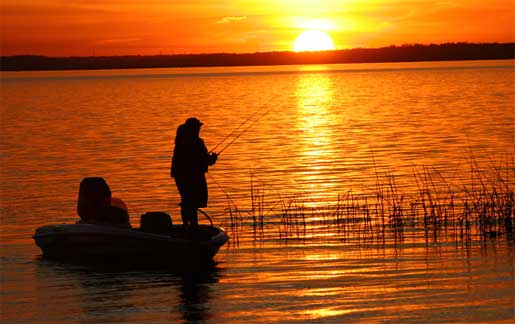
Fishing for bass is more challenging now, than ever in the past, due to two major factors. More anglers fish for bass today than at any time in the past. And, bass enthusiasts have become more knowledgeable about the species and methods for catching them. This combination puts extra pressure on bass fishing waters. On water that is heavily fished the two primary things you can do are to work slower and use smaller bait presentations.
Slowly Cover The water
Fish your way along the strike zone more slowly and make more, precise casts to targets and cover. Often multiple casts to the same spot can trigger a strike. Work the bait slower as well, don't be afraid to let a worm or jig 'soak' in one spot for a minute or two.
Fish With Smaller Lures
Using small plastic worms on light line often fools finicky bass. Downsize jigs as well and fish them on lighter line as well. Once you locate an area that is holding bass, catching them becomes the art of convincing them your presentation is edible. The tougher the fishing, the slower you should move the bait. Try downsizing crankbaits and spinnerbaits as well, again working them slower than usual.
Bass fishing basics video.
Three Major Tips For Better Bass Fishing In 2024
Understand How Bass Live
The more you know about bass the better your chances of catching them. Bass migrate around the lake in an annual cycle to stay close to their food supply and to reside in the best water conditions. In general, bass inhabit the shallows in Spring and Fall, then move to deeper water during the heat of summer and cold of winter. Additionally, bass make daily movements of shorter distances. Often bass move shallow to feed and hold in slightly deeper water the rest of the day.When summer warms the water bass may feed in the shallows early in the morning and again as dusk. During periods of cold water, bass may move up to the bank in the afternoon as the sun warms the shallow water.
Understand Your Local Bass Fishery
Every lake is a unique ecosystem and bass adapt to the conditions for survival. The more you know about the lake, the greater your odds of having success in 2024. Get a topographical map of the lake and learn how to identify logical locations for bass, based on the current season. Find out what food sources (baitfish, sunfish, crayfish, and etc) are in the lake, a good source is your game and fish department. Get current fishing reports, as well as prior year reports for the same time of the year. Try to identify whether the lake level is stable, rising or falling, as this could help you locate bass.
Know What Baits To Throw & Where to Throw Them
Lure manufacturers would like you to believe that the secret to catching bass is a specific lure. Truth is, bass are not all that picky. The important thing is to locate bass then use the most productive lure you can use to fish that specific water and cover.
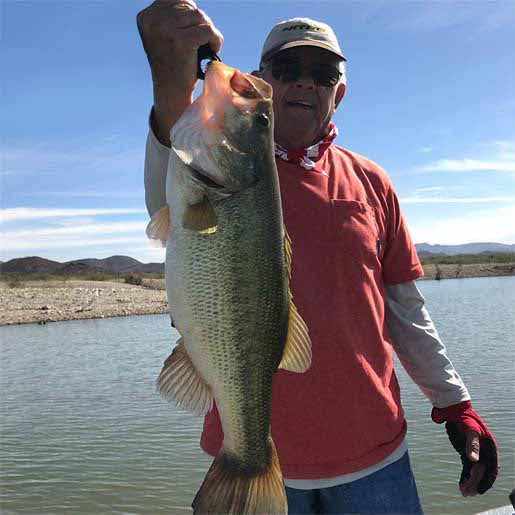
Five Basic Lures For Catching Bass In 2024
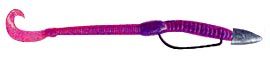
Plastic Worms. The all-time, top producer for bass anglers of all skill levels. Deep, mid-range or shallow, bass love them. Rig them open hook, Texas style or on a drop shot rig.
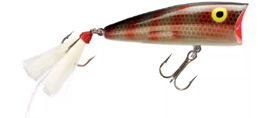
Topwater Lures. Buzzbaits, poppers, frogs, stickbaits and others all catch fish when the water is above 50 degrees, and the bass are hanging out in shallow water. Experiment to see which type gets more hits.
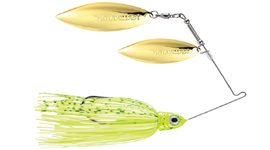
Spinnerbaits. Use spinnerbaits to fish in and around cover like brush, trees, grass and other vegetation.
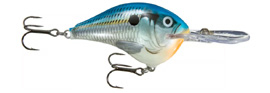
Crankbaits. Use crankbaits around shorelines that have little or no brush or vegetation.
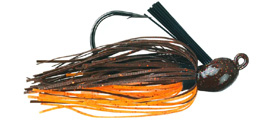
Jigs & Creature Baits. Fish these shallow or as deep as you find bass. When crawled slowly they represent crayfish, and when fished fast they can represent small fish.
Bass Fishing For Big Bass
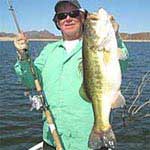
Bass are most easily caught during a feeding spree, but can be enticed into striking an anglers bait for reasons other than hunger. They are predatory by nature and at times will strike at anything that enters their world, particularly during the spawn. If it moves, and they can get it into their big mouth, they will most likely attempt to eat it. Visit the Bass Knowledge Center for insight on how bass live. The most popular bass species are largemouth and smallmouth. In certain areas of the country there are other species including spotted (or Kentucky), redeye and shoal bass. Click here to learn about the best bass fishing lures and when to use them.
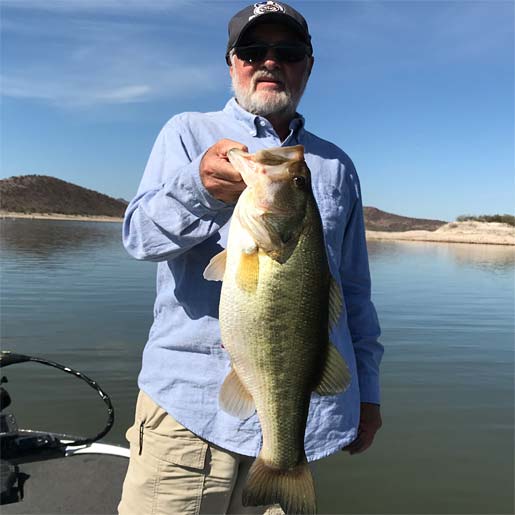
Bass are the most sought after of all game fish. Its appeal spans cultures, age groups and genders to tap on the heart strings of anglers everywhere. These very aggressive feeders are agile enough to easily chase down and catch their favorite foods at will.
Largemouth Bass
Micropterus salmoides
Prefers slightly stained to murky water with cover and minimal current, in depths from one foot to sixty feet. Ideal water temperature: 60° to 80°
World record: 22 pounds, 5 ounces
Fishing for largemouth bass
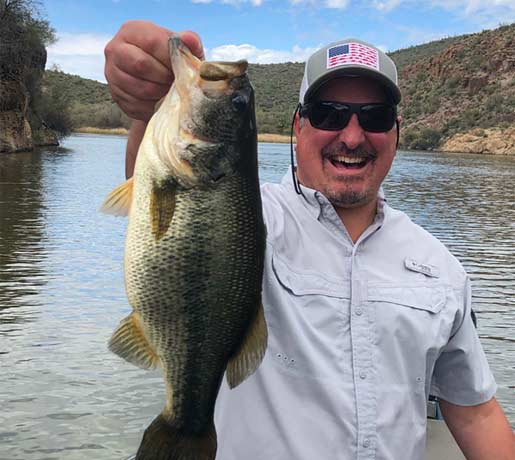
Also known as bucketmouth, this fish has a mouth that opens wide enough to swallow its own head. It will attempt to eat virtually anything it can catch and swallow. Growing to well over 20 pounds in ideal conditions, it is much bigger than it's cousin the smallmouth.
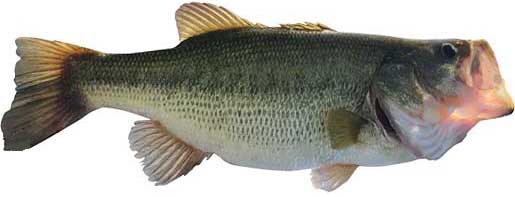
Largemouth bass are the most abundant, and most pursued bass in the country. They are available in most warm-water lakes, they tend to thrive in most water conditions and grow to bragging size in relative short order. Often called big mouth bass, or wide mouth bass, they are savvy predators that feed on most things that live in their territory.
Finding & Catching Bigmouth Bass
A very wise bass fisherman once told me that when you find average bass, the big ones are shallower or deeper, but close by. Anglers can target big mouth bass in lakes, reservoirs, and rivers. Spring and early summer are typically the best seasons for targeting bigger largemouth bass as they are spawning, more active and feeding in the shallows near shoreline cover. Start with topwater baits, as they cover the water most efficiently. Reaction baits like crankbaits and spinnerbaits are the next choice. For finicky bass, plastic worms and jigs may entice a bite as you can move them very slowly around cover. In the heat of summer and the cold of winter bass move to deeper water, usually following the baitfish. Jigs, drop shot rigs and spoons are a good approach for bass holding in deep water. Vary your retrieve speed and action to find what the bass like today!
Learn how to fish for largemouths.
Smallmouth Bass
Micropterus dolomieu
Prefers rocky areas of clear to slightly stained water in depths from one foot to fifty feet, with or without current. Ideal water temperature: 58° to 72°
World record: 10 pounds, 14 ounces
Fishing for smallmouth bass
While the smallmouth only grows to about half the size of the largemouth, it is much more agile, faster and powerful for its size. It eats pretty much the same foods, just smaller specimens. It is without argument one of the finest game fish an angler can pursue. The thrill of the frantic runs and jumps are the source of many a fisherman's dreams.
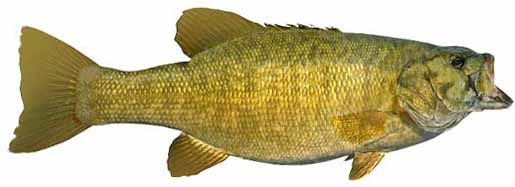
Smallmouth bass fishing is more prevelant in the northern states, but have been distributed in lakes all across the country. While smallmouth bass don't grow as large as their cousin the largemouth, they make up the difference with tenacious fights. Known for long battles and spectacular jumps, smallies grow fat and strong but rarely exceed ten pounds. Their range and locations are often with or nearby the largemouths.
Learn how to fish for smallmouths.
Spotted Bass
Micropterus punctulatus

Spots, or Kentucky bass, are easily identified by the dominant, spots along the lateral lines. Ideal water temperature: 70° to 78°
World record: 9 pounds, 8 ounces
Fishing for spotted bass
Spots are often called Kentucky, Kentucky spotted, Alabama spotted and Kentucky spots. They have a smaller mouth than the largemouth, so use lure sizes similar to smallmouth tackle. They feed on smaller fish as well as insects, crustaceans, frogs and worms.
Shoal Bass
Micropterus cataractae

Found primarily in the warm waters of FL, GA and AL. They populate lakes, rivers and streams. Ideal water temperature: 65° to 72°
World record: 7 pounds, 8 ounces
Fishing for shoal bass
Closely related to the spots, it is often misidentified as a redeye due to the red coloring in the eye. The coloring is brownish similar to smallmouth. Fish for them as you would for largemouth and, as the name implies, look for them to congregate on shoals and similar structure.
Redeye Bass
Micropterus coosae

Native to the Coosa River system of GA and AL, redeyes are often found in cool streams and rivers. Ideal water temperature: 65° to 70°
World record: 8 pounds, 12 ounces
Fishing for redeye bass
The redeye looks very much like a largemouth with a red eye and red coloration in the tail. Found in the southeast part of the US it can be caught with conventional bass tackle favoring smaller baits and lighter tackle.

Rick Seaman is a bass fishing enthusiast with over five decades of bass fishing experience, a retired bass tournament fisherman and co-author of the book "Bass Fishing. It's not WHAT you throw, It's WHERE you throw it" .
Bass information by state.


021924
Contribute Articles & Photos
a deep-diving crankbait.
The purpose of the page is to provide specific, detailed information about catching largemouth, smallmouth, spotted, redeye and shoal bass. Our goal is to help you make your next trip to the lake more successful. Use the state navigation on this page to locate specific information about these species in your local waters.

Fishing Information