
Trout Fishing
All about trout fishing in lakes.


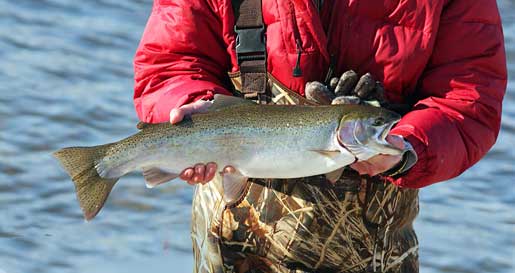
Trout are a fish of tradition, and enthusiasts consider the pursuit of trout to be the purest form of fishing. It is the finesse required to entice them to strike that appeals to the soul. They have endeared the imagination of anglers for centuries.
When fishing for trout in lakes, you have a variety of choices of fishing methods to entice these elusive fish. One effective technique is trolling, slowly dragging lures or baited lines behind the boat. This allows you to cover vast areas of water to locate schools of trout. Casting from the shore or a boat allows for precision targeting of specific areas, such as drop-offs, weed beds, or rocky outcrops where trout often congregate. Using live bait, such as minnows or worms, can be productive, especially when presented naturally with minimal weight. Fly fishing is another popular approach, using lightweight flies that mimic insects or small fish. Regardless of the method chosen, understanding the behavior and habitat preferences of trout in lakes is crucial for successful trout fishing.
There are 5 primary trout species, distributed throughout the US. They are rainbow, brook, brown, cutthroat and lake trout. Browns are the most difficult to catch and brookies are the easiest. Pure, cold water is key to survival of the all five. Brook trout are the most sensitive to temperature. The others can be comfortable in slightly warmer waters. Learn about the best trout lures and bait, plus when to use them.
Trout Fishing
Fishing For Rainbow Trout
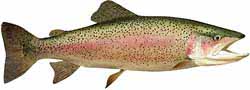
Known for its tasty pink flesh, overall beauty and gameness, rainbows are a favorite among the vast majority of anglers. It also appeals to the fly fisherman as it can be tempted to take properly presented flies as well as other baits and lures. It feeds on small insects, minnows, crustaceans and worms. It is ideal for both sport and dining pleasure.
Originally found in the Rockies and west to the Pacific ocean, it has been distributed far and wide across the US. It tends to do better in the northeast but is found in isolated areas even in the south. In waters that allow such migration the rainbow trout will remain in streams until it reaches 6" to 9" in length and then travel to lakes or oceans where it will bulk up and then return to the streams or rivers to spawn.
Steelhead trout are rainbows which have adapted to the salt water environment. In winter the steelhead seem to prefer spoons or bait rather than flies.
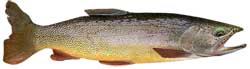
Fishing For Cutthroat Trout
Cutthroat trout call the great northwest home and flourish in these mountain streams that eventually drain into the Pacific Ocean. It too can be taken on flies as well as other baits and lures. It also feeds on small insects, minnows, crustaceans and worms.
Cutthroat trout fishing holds a cherished place among western anglers, particularly in the vast, swiftly flowing rivers of the region. While fly fishing reigns supreme as the preferred method, these prized fish are also susceptible to various artificial lures mimicking minnows or grubs, as well as live bait presentations. Cutthroat trout fishing promises a memorable angling experience amidst the rugged landscapes of the American West.
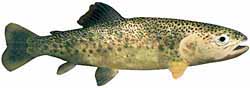
Fishing For Brook Trout
Brook trout are the native trout of the US, originally found throughout areas with cold clean water, preferably waters which never exceed 68 degrees. As civilization invades its cool shady forest areas it causes the waters to warm and the brook trout population begins to diminish. Its primary food source is small insects, mollusks, crustaceans and other small fishes.
Brook trout fishing stands out as the most accessible of trout pursuits. Seek out streams offering gravel bottoms, moderate currents, with rocky structures and sheltering cover. Additionally, the presence of overhanging trees not only provides crucial shade but also attracts insects, offering a natural buffet for brook trout while affording protection from predators.
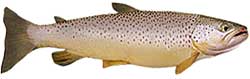
Fishing For Brown Trout
The brown trout can tolerate slightly warmer waters than the brook trout and have taken over some of the fisheries formerly inhabited by the brookies. It is much more wary than other trouts which help ensure its longevity in waters where other trouts are fished out.
When brown trout fishing look for quiet water with lots of cover. Logs, under cuts in the bank, rock shelves, overhanging trees and brush are some of the brown trouts favorite hiding places. The larger they get, the more wary they get and become more inclined to feed at night under the protection of darkness.
Brown trout feed on worms, minnows, insects and crustaceans. Dry fly fishing for pan-sized browns is a favorite technique as they rise well to these crafty presentations. Larger browns tend to feed more on flesh and favor nutritious crustaceans, worms or small fishes.
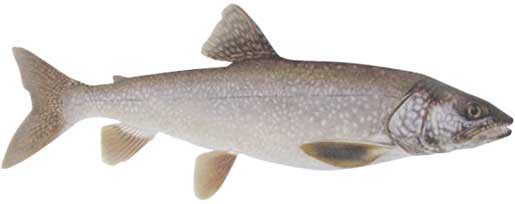
Fishing For Lake Trout
The lake trout is by far the largest of the trouts. It lives in deep cold lakes in the northern US and is also known as Great Lakes trout, Mackinaw trout and salmon trout. It feeds on virtually all forms of flesh which abound in its home waters. Minnows, smelt, eels and any variety of small fishes are part of the lake trout's diet. It's rich flaky flesh makes it a tasty table favorite.
During early spring, lake trout can often be found in the shallows of lakes, readily taking dry flies, wet flies, and other slow-moving presentations. However, as surface temperatures rise, these trout typically migrate to deeper waters, prompting anglers to employ trolling with heavier tackle as the primary technique. Utilizing spoons and baitfish-imitating lures near the lake bottom tends to yield optimal results in enticing these elusive fish during this season transition.
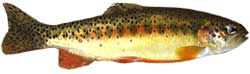
Fishing For Golden Trout
The golden trout is native to Golden Trout Creek, South Fork Kern River and Volcano Creek. These trout have been transplanted into lakes where they thrive and grow to ten pounds or more. States where golden trout have been introduced, with varying degrees of success, include Arizona, California, Colorado, Idaho, Montana, New Mexico, Nevada, Oregon, Utah, Washington, West Virginia and Wyoming.
World Record Trout
Rainbow Trout
Oncorhynchus mykiss
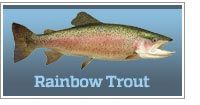
Prefers slightly stained to clear water with or without current. Ideal water temperature: 45° to 60°
World record: 42 pounds, 2 ounces
Cutthroat Trout
Salmo clarki

Prefers clear to slightly stained, cold water with current which flows to the ocean. Ideal water temperature: 45° to 58°
World record: 41 pounds, 0 ounces
Brook Trout
Salvelinus fontinalis
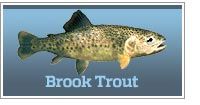
Prefers cold, clear water with current. Rocky streams are preferred. Ideal water temperature: 44° to 58°
World record: 14 pounds, 8 ounces
Brown Trout
Salmo trutta
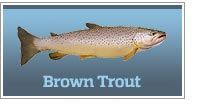
Prefers clear to slightly stained water with little or no current. Ideal water temperature: 45° to 62°
World record: 40 pounds, 4 ounces
Lake Trout
Salvelinus namaycush

Prefers clear, deep water with little or no current. Ideal water temperature: 40° to 52°
World record: 72 pounds, 0 ounces
Golden Trout
Oncorhynchus mykiss aguabonita

In native waters it grow to about one pound, in lakes much larger. Ideal water temperature: 56° to 64°
World record: 11 pounds, 4 ounces
Trout Fishing Organizations & Resources
Trout Fishing Information
The primary objective of this page is to furnish comprehensive and detailed guidance on fishing for various species of trout. Our aim is to enhance the success of your trout fishing excursions by offering targeted assistance and valuable insights. Utilize the intuitive navigation provided below to effortlessly access specific information tailored to trout fishing within your respective state. Whether you're seeking advice on techniques, equipment recommendations, or insights into local lakes, our resources are developed to empower anglers of all skill levels.
Locate places to fish for trout, by state.


022224
Fishing Information