
Trout Fishing In Michigan


Guide to catching rainbow, brook, brown and lake trout in local lakes
Last updated on .
Best Trout Species, Lakes, Lures & Bait
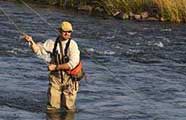 Michigan is a haven for trout fishing enthusiasts, offering a wealth of opportunities to pursue various trout species in its pristine lakes and rivers. The state is home to three primary trout species: brown trout, rainbow trout, and brook trout. The purpose of this page is to share basic information about trout fishing and identify trout fishing waters in the state.
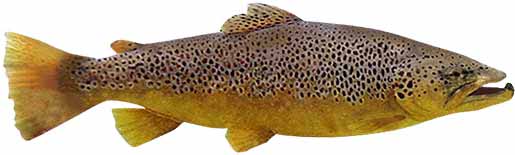
Fishing For Brown Trout
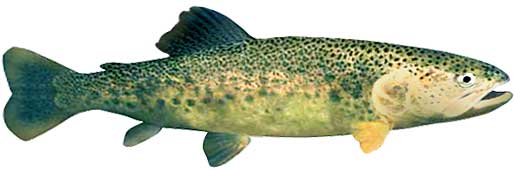
Brown trout are highly sought after by anglers due to their impressive size and challenging nature. They can be found in both lakes and rivers throughout Michigan. Rivers like the Au Sable, Manistee, and Pere Marquette are renowned for their brown trout populations, while lakes such as Lake Michigan and Lake Huron also offer excellent opportunities for brown trout fishing. The state record for brown trout in Michigan stands at an impressive weight of over 41 pounds.
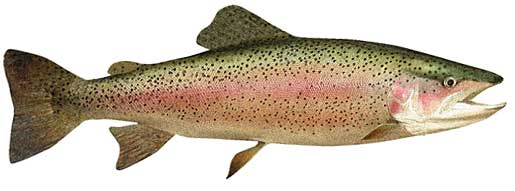
Fishing For Rainbow Trout
Rainbow trout, known for their vibrant colors and acrobatic fights, are another popular trout species found in Michigan. These fish can be caught in lakes and rivers, with the Great Lakes tributaries providing exceptional fishing opportunities. Rivers like the Boardman and Betsie are famous for their rainbow trout populations, attracting anglers with their impressive size and feisty behavior. The state record for rainbow trout in Michigan is over 20 pounds.
Fishing For Brook Trout
Brook trout, Michigan's only native trout species, hold a special place in the hearts of many anglers. These beautifully colored fish are commonly found in small, remote streams and coldwater lakes. Michigan's Upper Peninsula, particularly areas like the Pigeon River Country State Forest, offers pristine habitats for brook trout fishing. The state record for brook trout in Michigan is over six pounds.
Fishing For Lake Trout
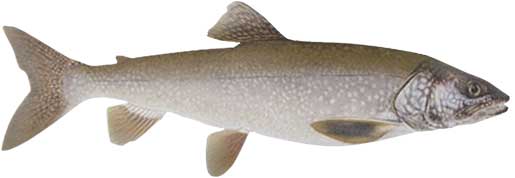
Lake trout grow big in many michigan lakes and the great lakes surrounding the state. Higgins Lake is one example where big lake trout are caught year round. Torch Lake, Elk Lake and Crystal Lake are also notorious lake trout waters. Smelt, alewives, gobies and ciscoes are a good choice for live bait as they are a primary food source for lake trout which are known to feed on baitfish. Artificial lures, mimicking these baitfish, can be trolled with success as well.
Michigan is also known for its "trophy waters," designated streams and rivers managed to produce large trout. These areas, such as the famous section of the Au Sable River known as the "Holy Waters," are carefully regulated to ensure the growth of trophy-sized trout. Anglers seeking trophy trout often flock to these areas, where they can challenge themselves with fly fishing techniques and have a chance at catching record-breaking fish.
Trout fishing in Michigan is not just limited to rivers and streams. The state's lakes, including the Great Lakes and their tributaries, provide exceptional opportunities for trout fishing. Whether trolling for trout in the open water of the Great Lakes or targeting them in the mouths of rivers and streams, anglers have a wide range of options to explore.
High-tech electronics and GPS precision improve catch rates for trout in lakes.
Fishing for trout in lakes with modern high-tech electronics, GPS, and advanced gear allows anglers to locate fish more efficiently and present lures with precision. High-definition sonar and down imaging help identify thermoclines, bait concentrations, and suspended fish over deep basins, while side imaging reveals points, drop-offs, and submerged structure along shorelines. GPS chartplotters with detailed contour maps make it easier to follow depth breaks and repeat productive trolling passes. Electric trolling motors provide quiet, controlled movement, reducing spooking in clear water. Lightweight graphite rods, sensitive tips, and low-stretch braided line with fluorocarbon leaders enhance bite detection at varying depths.
Trout Fishing Lakes
Cold, clear water creates ideal conditions for trout. And, Michigan has lots of it, including ice fishing options. Aside from the rivers and streams containing trout there are quite a number of larger lakes with healthy trout populations. These lakes include Black Lake, Brevoort Lake, Burt Lake, Crystal Lake, Elk Lake, Glen Lake, Indian Lake, Lake Charlevoix, Lake Erie, Lake Huron, Lake Leelanau, Lake Michigamme, Lake Michigan, Lake St Clair, Lake Superior, Manistique Lake, Mullett Lake, Torch Lake and Wixom Lake.
Trout Species In The State
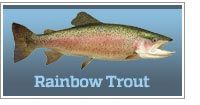
Rainbow trout
world record: 42 lbs 2 oz
state record: 26.5 lbs
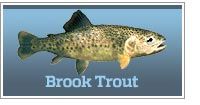
Brook trout
world record: 14 lbs 8 oz
state record: 9.5 lbs
Brown trout
world record: 40 lbs 4 oz
state record: 41.45 lbs

Lake trout
world record: 72 lbs 0 oz
state record: 61.5 lbs
Click the images and links above for species details.
Select the best trout lures and baits
Trout spinners, crankbaits and jerkbaits work well for shallow, reasonably active fish. Live bait, Salmon eggs, worms and prepared baits will work at virtually all depths.
State Trout Records
The state record rainbow trout came out of Lake Michigan.
The state record brook trout was taken out of Clear Lake.
The state record for brown trout came from the Manistee River.
The state record for lake trout was served by Lake Superior.
Michigan Trout Information
The Michigan Department of Natural Resources stocks trout in waters across the state. Visit their website for details and information regarding trout stockings in Michigan.
Acquire a Michigan fishing license.
Additional trout information
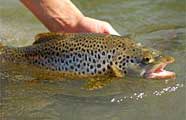 The 5 primary trout species are rainbow, brook, brown, cutthroat and lake trout. Browns are considered the most difficult to catch and brookies are the easiest. Pure cold water is key to survival of the trouts.
Watch trout fishing videos to see trout anglers in action.
Trout locations and info, by state


MICHIGAN