
Great Trout Fishing In Washington State


Guide to fishing for rainbow, steelhead, cutthroat, brown, golden and lake trout in local lakes and streams.
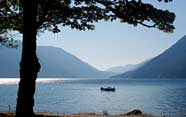
Washington state is a trout fishing paradise, boasting a diverse range of trout species and abundant fishing opportunities. The purpose of this page is to share basic information about trout fishing and identify trout fishing waters in the state. From lakes to rivers, the state offers fantastic trout fishing experiences for anglers of all skill levels.
Rainbow trout are one of the most sought-after trout species in Washington. These vibrant fish can be found in numerous lakes and rivers throughout the state, including popular fishing destinations like the Yakima River, the Skagit River, and Lake Chelan. Rainbow trout are known for their aggressive nature, making them an exciting catch for anglers. Washington's rainbow trout fishing is renowned, with impressive state records attesting to the potential for trophy-sized fish.
Brown trout, known for their beauty and elusive nature, are another prized species found in Washington. These trout thrive in both lakes and rivers, with popular brown trout fisheries including the Methow River, the Klickitat River, and Lake Roosevelt. Brown trout are known for their wariness, challenging anglers to employ stealthy approaches and accurate presentations. Washington holds state records for brown trout that showcase the potential for impressive catches.
Lake trout, also known as mackinaw, inhabit several deep lakes in Washington, providing anglers with an exciting opportunity for trophy-sized catches. Lakes like Lake Chelan, Lake Roosevelt, and Lake Pend Oreille are renowned for their lake trout fisheries. These fish can reach substantial sizes and offer anglers the chance to test their skills and land a true trophy.
Cutthroat trout, a native species to the region, are highly sought after by anglers in Washington. These beautiful fish can be found in both lakes and rivers, with notable cutthroat trout fisheries in the Puget Sound, the Skagit River, and the Olympic Peninsula. Washington's coastal streams are known for their sea-run cutthroat trout, offering an exciting opportunity for anglers to target these migratory fish.
Washington holds several state records for trout, reflecting the impressive fish that have been caught throughout the state. These records serve as a testament to the quality of trout fishing in Washington and the potential for anglers to land exceptional fish.
From rainbow trout to brown trout, lake trout to cutthroat trout, Washington's lakes and rivers provide a wealth of opportunities for trout fishing enthusiasts. Whether you prefer the challenge of fly fishing in pristine mountain streams or casting lures in picturesque lakes, Washington's trout fishing will captivate anglers with its beauty, variety, and potential for memorable catches.
Trout Waters
Washington sports some excellent trout fishing in many streams, rivers, ponds and lakes. The major lakes with healthy populations of trout include Alder Lake, American Lake, Baker Lake, Banks Lake, Cle Elum Lake, East Rapids Lake, Kachess Lake, Keechelus Lake, Lake Bryan, Lake Chelan, Lake Crescent, Lake Cushman, Lake Herbert G West, Lake Mayfield, Lake Merwin, Lake Sacajawea, Lake Umatilla, Lake Washington, Lake Wenatchee, Lake Whatcom, Moses Lake, Omak Lake, Ozette Lake, Palmer Lake, Potholes Reservoir, Riffe Lake, Rimrock Lake, Rock Lake, Roosevelt Lake, Ross Lake, Rufus Woods Lake, Silver Lake, Swift Reservoir and Vancouver Lake. Consider some of these ice fishing options.
Visit the Washington Division of Fish & Wildlife for information on trout stocking schedules for Washington.
Watch trout fishing videos to see trout anglers in action.

Trout Species In The State
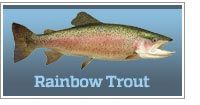
Rainbow trout
World record: 42 lbs 2 oz
State Record: 29.6 lbs

Cutthroat trout
World record: 41 lbs 0 oz
State Record: 12.0 lbs
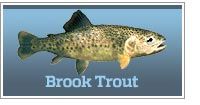
Brook trout
World record: 14 lbs 8 oz
State Record: 9.0 lbs
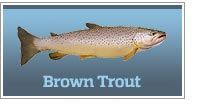
Brown trout
World record: 40 lbs 4 oz
State Record: 22.0 lbs

Lake trout (Mackinaw)
World record: 72 lbs 0 oz
State Record: 35.63 lbs

Golden trout
World record: 11 lbs 4 oz
State Record: 3.91 lbs
Steelhead
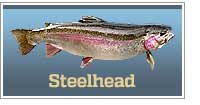
Steelhead
World record: 42 lbs 0 oz
State Record: 35.06 lbs
Click the images and links above for species details.
Select the best trout lures and baits
Trout spinners, crankbaits and jerkbaits work well for shallow, reasonably active fish. Salmon eggs, worms and prepared baits will work at virtually all depths.
Washington Trout Records
The state record rainbow was pulled out of Rufus Woods Lake.
Crescent Lake produced the state record cutthroat trout.
The state record brook trout was taken out of Wobbly Lake.
The state record brown trout was caught from Sullivan Lake.
Lake Chelan gave up the state record lake trout.
An unnamed lake gave up the state record golden trout.
The Snake River served up the state record steelhead trout.
Additional trout information
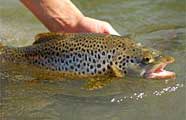
The 5 primary trouts are the rainbow, brook, brown, cutthroat and lake trout. Browns are considered the most difficult to catch and brookies are the easiest. Pure cold water is key to survival of the trouts.
Trout Conservation
Trout Unlimited
Trout locations and info, by state.


The habits of trout.
Trout are considered some of the most difficult fish to fool. Once you locate Washington waters with a population of trout, the challenge becomes identifying trout flies and lures that will trigger strikes. Visit the trout fishing page to learn more about the habitat each of the trouts prefer.
WASHINGTON