



Lake Russell Fishing Report


Boat and bank fishing
By Rick Seaman
Last updated on .
Current, General Fishing Conditions Report - For All Species: ★★★★★
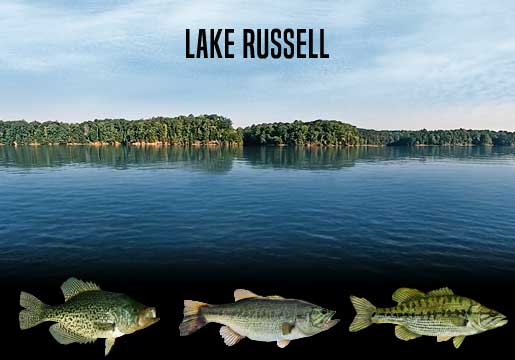
Lake Richard B Russell is one of the premier multi-species fisheries in Georgia and the Southeast. Its undeveloped shoreline, abundant standing timber, extensive submerged habitat, and consistently healthy fish populations provide excellent opportunities for anglers targeting crappie, largemouth bass, spotted bass, catfish, and bream. Georgia's fisheries biologists continue to rate the lake highly, with stable bass populations, improving average fish size, and excellent crappie habitat.
Fishing Reports
Popular Fish Species
Fishing Report: Black & White Crappie
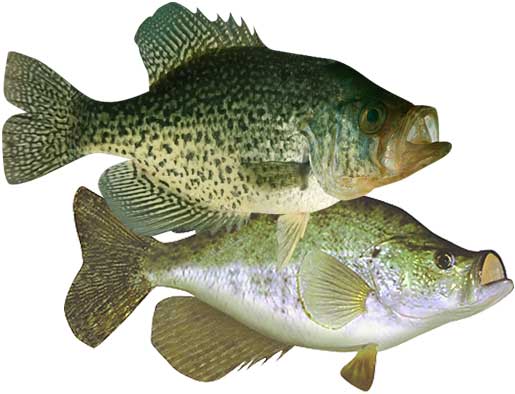
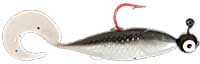
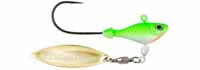
Current Fishing Report: Very Good To Excellent
Both black and white crappie are being caught using new technologies, reducing the amount of time it takes to locate schools. Forward-facing sonar is allowing anglers, fishing from a boat, to locate schools and focus fishing time on areas with good numbers of crappie. This is true for trolling or casting. Anglers fishing from the bank still have to search the old fashion way, via test casting, until a school is located. Then, they are catching them just as anglers have for many decades. Light tackle, with 4 lb to 8 lb line, is a popular choice.
SUMMER. Summer is one of the best times to catch Lake Russell crappie. Fish suspend around standing timber, brush piles, submerged fish attractors, and creek channels. Night fishing over lighted docks and submerged brush is especially productive. Water temperatures get quite warm, and crappie fishing is usually pretty good. They feed in 15 to 25 feet of water early and late in the day, until the hot Summer sun causes them to retreat to depths of 20 to 30 feet. Also, a few have embedded in the shade of slightly shallower vegetation. This is a good time to focus around brush piles, standing timber, deep lay downs, bridge pilings and deeper docks with shade. Some of the best fishing is early morning, late evening, or night. Anglers are also locating schools of crappie hanging over deep structure and around creek channel edges, using fish-finder electronics.
- Coldwater Creek standing timber
- Beaverdam Creek fish attractors
- Pickens Creek submerged brush piles
- Rock Creek creek-channel timber
- Main Savannah River channel timber edges
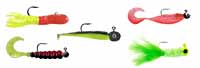
FALL. Cooling temperatures bring schools of baitfish into creek mouths, followed closely by crappie. Fish remain around timber and brush but gradually move shallower as fall progresses. As Fall begins cooling the shallows, baitfish, move into shallow flats, coves and bays, which draws crappie into these areas. They will be feeding heavily in preparation for the cold Winter, in 12 to 18 feet of water. Minnows, hair jigs, and crappie jigs, are good options during this feeding marathon. Late Fall which turns the shallows cold, starts pushing crappie deeper, toward winter holding areas. Small flutter spoons, fished in 10 to 22 feet of water, are a good option during this transition. Good results typically come around points, creek channels, and brush piles.
- Coldwater Creek mouth
- Beaverdam Creek channel edges
- Pickens Creek secondary points
- Rock Creek timber flats
- Russell Dam area brush piles
WINTER. Winter crappie school tightly in deeper timber and brush near creek channels. Slow presentations with minnows or small jigs produce consistent catches. The water temperature drop into the 40's. The shallows turn cold, causing crappie to migrate to deeper holding areas, mostly off shore. Typically they are caught using a very slow presentation, in 20 to 35 feet of water. Most are caught around creek channel bends, submerged timber, deep brush piles, and main-lake structure. Good reports often come from anglers targeting standing timber and brush piles. When they suspend in open water, they often relate to some cover, or structure change, directly below them. During warming trends, especially warm afternoons, they are drawn into slightly shallower water to feed.
- Main Savannah River channel timber
- Coldwater Creek deep timber
- Beaverdam Creek deep brush piles
- Pickens Creek channel bends
- Fish attractors near Richard B. Russell Dam
SPRING. Spring offers the year's fastest action as crappie migrate into creeks and shoreline cover before spawning. During the spawn they occupy shallow brush, wood cover, and flooded vegetation. In early Spring, crappie begin staging in 8 to 15 feet of water, just outside spawning bays, and on shallow flats. Spring is prime time to be on the water, as both black crappie and white crappie have moved shallow to spawn. At that time, they are typically caught in 2 to 8 feet of water. Vegetation, docks, brush and wood are where most anglers catch crappie using small crappie jigs or live minnows. After the spawn, crappie typically move outside the spawning area and hold on cover close by, in 8 to 15 feet of water. Once they move out of the shallows, anglers report success using fish finders and forward facing sonar to locate schools of crappie, which tend to stack vertically around cover.
- Coldwater Creek shallow coves
- Beaverdam Creek shoreline brush
- Pickens Creek spawning pockets
- Rock Creek flooded wood
- Backs of major creek arms with shoreline cover
Fishing Report: Largemouth Bass
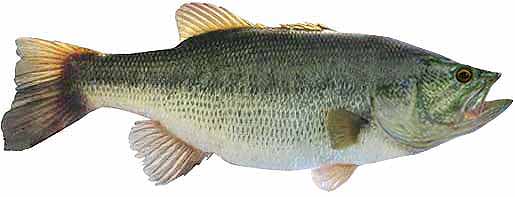

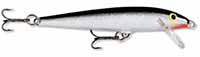
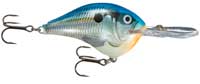
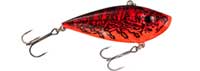
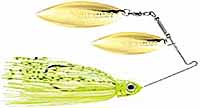
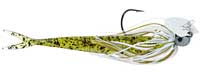
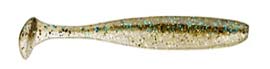
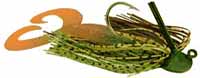
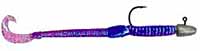

Current Fishing Report: Good To Very Good
Bass fishing is currently experiencing major changes in the way anglers are approaching the sport. The expanded use of high-tech fish finders is giving anglers, who fish from a boat, a distinct advantage. The fishing hasn't really changed, but the catch rate has increased considerably. The advent of new lures and equipment has improved success for anglers fishing from the bank. Savvy anglers, who study bass patterns, continue to catch nice fish, with or without the new gadgets.
SUMMER. Largemouth bass spend the summer around standing timber, creek-channel ledges, submerged brush, and rocky points. Early morning and late evening provide the best shallow bite, while midday fish hold deeper around timber and offshore structure. Topwater action can be excellent during low-light periods. Water temperatures warm considerably in Summer, so bass feed shallow, early and late in the day. As the day warms, they are typically caught in 10 to 20 feet of water. During Summer, keep an eye on the thermocline to determine the maximum depth to fish, as there is very little oxygen below the thermocline. Largemouth bass here feed on threadfin shad, blueback herring, small sunfish and crawfish. During the hotter parts of the day, they are typically caught on points, channel edges, and ledges 20 to 25 feet deep. Drop shots, and wacky-rigged stick worms often catch finicky bass when the bite is slow.
- Coldwater Creek standing timber
- Beaverdam Creek points and brush piles
- Rock Creek timber edges
- Pickens Creek creek-channel ledges
- Main Savannah River channel secondary points
FALL. Cooling water temperatures move baitfish into the creeks, and largemouth follow. Fish become aggressive around secondary points, creek mouths, brush piles, and shoreline wood. Fast-moving lures are particularly effective during this period. When Fall arrives, bass here will follow schools of baitfish into coves and shallow bays where crankbaits, swimbaits, and slow-rolled spinnerbaits have been successful in prior years. In early Fall, anglers typically have success in 6 to 18 feet of water, around points and shallow flats leading to deeper water. As deeper water cools, bait and bass move out to ledges, channel edges, points and humps. Here drop shots are often the ideal bait in 15 feet of water, or deeper. Some of the larger bass will seclude themselves away from the school, often in slightly deeper water.
- Coldwater Creek creek mouth
- Beaverdam Creek secondary points
- Rock Creek shoreline timber
- Pickens Creek brush piles
- Vans Creek backs of coves
WINTER. Bass become less active but continue feeding around deeper timber, bluff banks, and creek-channel drops. Slow presentations near structure produce the best results. The cold of Winter will isolate largemouth around deeper structure, flats, points and creek channels. Water temperatures are usually in the low high 40's to mid 50's, and bass can be found near the bottom, or suspending from 15 to 30 feet deep over deeper structure. In January they may move as deep as 35 feet. Bass often move a bit shallower on warm, sunny days. Also, some of the larger bass will isolate away from schools, 5 or so feet deeper. Here they hold, feeding less frequently, awaiting warmer water to return in Spring. Slow presentations with drop shots, jigs, spoons, finesse worms, or lipless crankbaits are often the key to getting bites.
- Main Savannah River channel ledges
- Coldwater Creek deep timber
- Beaverdam Creek creek-channel bends
- Rock Creek bluff banks
- Richard B. Russell Dam area points
SPRING. Spring is the premier season for largemouth bass. Fish move from staging areas onto shallow flats, pockets, and protected coves to spawn. Following the spawn, bass remain shallow while feeding heavily before moving toward summer structure. When water temperatures rise into the low 60's, largemouth move from deep wintering holes, to shallower water near spawning areas. Vibrating jigs, crankbaits, jerkbaits and spinnerbaits are typically get bites just away from the shoreline. In early Spring they feed aggressively in about 6 to 12 feet of water, and prepare for the spawn. Once water warms into the mid to high 60's, they will move into 2 to 6 feet of water, and create nests, then lay their eggs. Immediately afterwards, females move to deeper water and males remain to guard the eggs, and then the fry. After a couple weeks, the males also move to slightly deeper water, around 6 to 12 feet deep. Anglers report good topwater action from mid Spring through Summer, especially early in the morning, and on cloudy days. Deep-diving crankbaits, vibrating jigs, drop shots, plastic worms, jigs, spoons, and swimbaits catch bass when they are not shallow.
- Coldwater Creek spawning coves
- Beaverdam Creek shallow pockets
- Rock Creek flooded wood
- Pickens Creek shoreline brush
- Vans Creek protected backwaters
Fishing Report: Spotted Bass
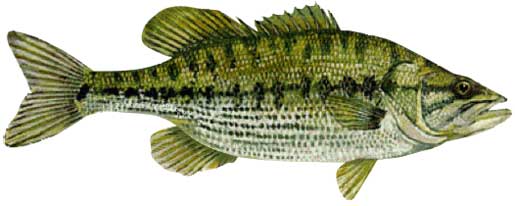


Current Fishing Report: Very Good To Excellent
SUMMER. Summer is an outstanding season for spotted bass on Lake Russell. Fish school around rocky points, standing timber, humps, and creek-channel drops where they feed aggressively on blueback herring and threadfin shad. Early morning surface feeding can be exceptional before fish move deeper during the day. Spots are typically caught on steep, rocky banks, ledges, humps, drop-offs and standing timber, in 15 to 30 feet of water, sometimes even deeper. Early in the morning and at night they often venture much shallower to feed. They tend to gather in small schools and hold, preferring to move up and down the water column on steep banks looking for food and ideal water temperatures. They are occasionally feeding shallow, early and late in the day, where they are being caught on topwater, crankbaits and swimbaits. Drop-shots, Ned rigs, and wacky-rigged stick worms are catching finicky bass when they are deeper. They feed here on shad, small sunfish and crawfish. During the hotter parts of the day, they are being caught around deeper docks, on points and along ledges 25 to 35 feet deep. Spots will also hold in the shade of thick, shallower vegetation.
- Main Savannah River channel points
- Rock Creek rocky humps
- Beaverdam Creek standing timber
- Coldwater Creek offshore points
- Richard B. Russell Dam area deep structure
FALL. Cooling temperatures trigger aggressive feeding as spotted bass chase baitfish into creek mouths and secondary points. Schooling activity is common, making fast-moving lures especially productive. Fall weather at night, cools the shallows more quickly than deeper sections of the lake. The cooler water invites baitfish and spotted bass into coves and bays, where crankbaits, swimbaits and spinnerbaits, are often very successful for catching spots. Early, and late, in the day, spots often school up and feed in 6 to 8 feet of water, around creek mouths, shaded pockets, docks and brush. They move into 8 to 20 feet of water, or more, as the day warms the shallows.
- Coldwater Creek secondary points
- Beaverdam Creek creek mouths
- Rock Creek main-lake points
- Pickens Creek rocky banks
- Main-lake humps near the Savannah River channel
WINTER. Spotted bass remain active throughout winter, often more so than largemouth bass. They concentrate on deep rocky points, bluff walls, standing timber, and channel breaks where baitfish gather. The cold Winter weather has drawn spots, in large groups, around deeper structure, points and creek channels - virtually anywhere there is baitfish. They can be found from 20 to 45 feet deep throughout Winter. Some of the bigger fish hold slightly deeper. Here they hold, feeding less aggressively, waiting warmer water to return in Spring. The best results are coming from anglers fishing very slowly, with finesse worms on shaky heads, small jigs, and drop-shots.
- Richard B. Russell Dam deep points
- Main Savannah River channel ledges
- Rock Creek bluff banks
- Coldwater Creek channel drops
- Beaverdam Creek deep timber
SPRING. Spotted bass move onto rocky banks and gravel points as water temperatures rise. They spawn slightly deeper than largemouth bass, often around rock and gravel in protected pockets. After spawning, they quickly return to nearby offshore structure while continuing to feed aggressively. Early in Spring spotted bass hold in 8 to 15 feet of water, staging outside spawning areas. As Spring, progresses, spotted bass spend time in 4 to 12 feet of water, around nesting areas on protected flats and in the backs of coves. Once they spawn, females head to deep water to recover, while the males stay to guard the eggs and fry. Afterwards, they too move to slightly deeper water, usually close by the spawning areas. Look for them on points and ledges near these areas. Daily movements find the bass moving shallow to feed, especially early and late in the day. Deep crankbaits, spinnerbaits, small jigs, plastic worms and swimbaits are now catching plenty of spotted bass.
- Rock Creek gravel points
- Coldwater Creek rocky pockets
- Beaverdam Creek secondary points
- Pickens Creek gravel banks
- Main-lake points bordering the Savannah River channel
Lake & Fishing Video
Fishing tips for boat or bank fishing
Fish species to fish for...
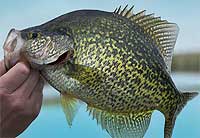
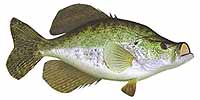
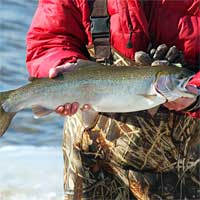
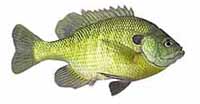
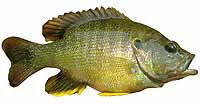
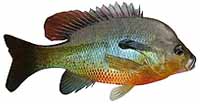
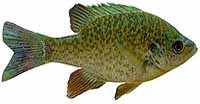
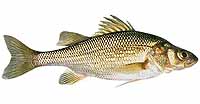
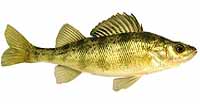
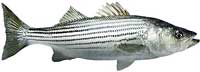
Guide to fishing for largemouth bass, spotted bass, channel catfish, black crappie, white crappie, rainbow trout, bluegill, redbreast sunfish, redear sunfish, white perch, yellow perch and striped bass at Richard B Russell Lake in Georgia.
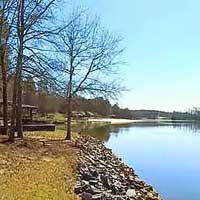
Lake Russell is one of Georgia's premier fishing lakes, offering excellent opportunities for anglers throughout the year. The lake supports healthy populations of crappie, largemouth bass, spotted bass, catfish, bluegill, and redear sunfish. Its abundant standing timber, rocky points, creek channels, brush piles, and extensive shoreline cover provide ideal habitat for a variety of game fish. Crappie fishing is especially productive in spring, while bass anglers enjoy consistent action around submerged structure year-round. Catfish provide dependable fishing during the warmer months, and bream offer excellent family-friendly action in late spring and summer. With relatively light boating pressure and a largely undeveloped shoreline, Lake Russell delivers outstanding fishing in a peaceful setting.
Primary fish species to catch
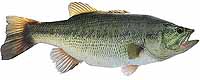
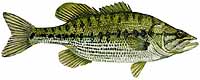
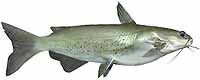
Click images for fishing tips and details about each species.
Today's Weather & Forecast
Public Boat Launch Ramps & Landings
Click here for boat ramps.
Marinas
Click here for marinas.
Fishing License
Click here for a Georgia Fishing License.
Map - Fishing & Access
Rick Seaman is a fishing enthusiast with over five decades of fishing experience, a retired tournament fisherman, author of numerous published articles on fishing, and co-author of the book "Bass Fishing - It's not WHAT you throw, It's WHERE you throw it".
Contact Information
Richard B Russell State Park
2650 Russell State Park Dr
Elberton, GA 30635
706 213-2045
Fishing lakes in each state


GEORGIA

Information about fishing lakes in Georgia
Bass and crappie fishing in northeast GA
