



Cave Run Lake Fishing Report


Boat and Bank Fishing
By Rick Seaman
Last updated on .
Current, General Fishing Conditions Report - For All Species: ★★★★★
Fishing Reports
Popular Fish Species Cave Run Lake, KY
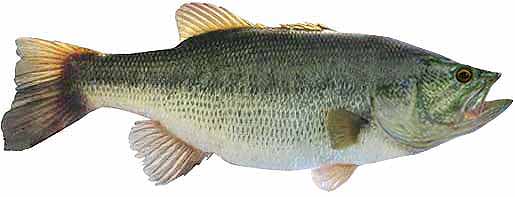
Fishing Report: Largemouth Bass

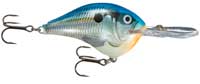
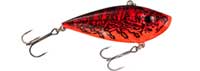
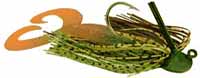

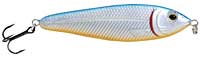

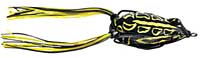
Current Fishing Report: Good
Bass fishing is currently experiencing major changes in the way anglers are approaching the sport. The expanded use of high-tech fish finders is giving anglers, who fish from a boat, a distinct advantage. The fishing hasn't really changed, but the catch rate has increased considerably. The advent of new lures and equipment has improved success for anglers fishing from the bank as well. Savvy anglers, who study bass patterns, continue to catch nice fish, with or without the new gadgets.
FALL. Now that Fall is in full swing, bass here have moved shallow, following schools of baitfish into coves and shallow bays around 6 to 18 feet of water. Currently swim jigs, jerkbaits, square-bill crankbaits, and slow-rolled spinnerbaits are catching most of the bass. Later in Fall, as deeper water cools, bait and bass move out to ledges, channel edges, points and humps, Locals are catching bass on points in Long Bow, Scott Creek, and Salt Lick. Flutter spoons, jigs and drop shots are good choices in 8 to 20 feet of water.
- Scott Creek channel swings
- Twin Knobs boat docks
- Warix Run shoreline timber
- Bangor Boat Ramp coves
- Main-lake points near Cave Run Dam
WINTER. Winter will isolate largemouth around slightly deeper structure, flats, points and creek channels. They can be found from 12 to 30 feet deep. Here they hold, feeding less frequently, awaiting warmer water to return in Spring. Slow presentations are key to getting bites. On warmer days, especially during late afternoons, bass may move into 6 to 12 feet of water to feed.
- Deep points near Cave Run Dam
- Scott Creek channel ledges
- Warix Run drop-offs
- Twin Knobs deep structure
- Steep banks near Bangor Boat Ramp
SPRING. Once water temperatures rise into the low 60's, largemouth will move from deep wintering holes, to shallower water nearby spawning areas. Anglers report good topwater action from mid Spring through Summer, especially early in the morning, and on cloudy days. Vibrating jigs, jerkbaits and spinnerbaits typically get bites just away from the shoreline. At this time they will be feeding aggressively in about 2 to 12 feet of water, preparing for the spawn. Once water warms into the mid to high 60's, they will move into 2 to 5 feet of water, and create nests, then lay their eggs. Immediately afterwards, females move to deeper water and males remain to guard the eggs, and then the fry. After a couple weeks, the males also move to slightly deeper water, around 6 to 12 feet deep. Deep-diving crankbaits, vibrating jigs, plastic worms, jigs, worms, and swimbaits catch bass during this period.
- Protected coves in Scott Creek
- Warix Run flooded shoreline cover
- Twin Knobs spawning pockets
- Bangor Boat Ramp back coves
- Shallow flats in the upper Licking River arm
SUMMER. Water temperatures will warm considerably in Summer. Bass will feed shallow, early and late in the day, where they will be caught in 6 to 25 feet of water, on square-bill crankbaits and spinnerbaits. Largemouth bass here feed on gizzard shad, small sunfish and crawfish. During the hotter parts of the day, they are being caught on points, channel edges, and ledges 15 to 35 feet deep. Some goo reports are coming from anglers fishing around deeper, shady docks..
- Boat docks at Twin Knobs
- Scott Creek channel ledges
- Main-lake points near Cave Run Dam
- Warix Run submerged timber
- Bangor Boat Ramp offshore brush piles
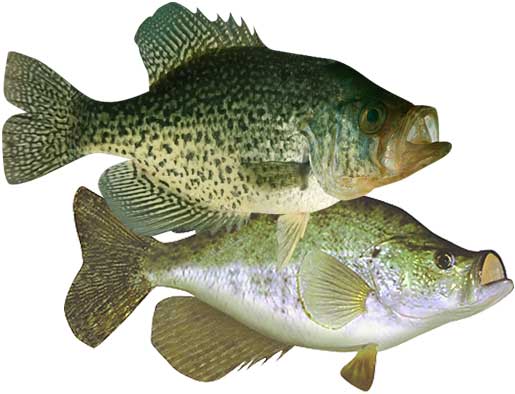
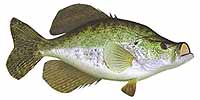
Fishing Report: Black & White Crappie
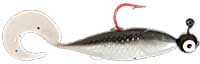
Current Fishing Report: Poor To Fair
Both black and white crappie are being caught using new technologies, reducing the amount of time it takes to locate schools. Forward-facing sonar is allowing anglers, fishing from a boat, to locate schools and focus fishing time on areas with good numbers of crappie. This is true for trolling or casting. Anglers fishing from the bank still have to search the old fashion way, via test casting, until a school is located. Then, they are catching them just as anglers have for many decades.
Crappie like to hang around brush and wood. The upper reaches of Cave Run Lake are chalked full of this great cover, and the crappie fishing is good there.
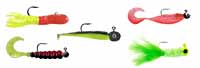
FALL. Baitfish, which are moving into shallow flats, coves and bays, are drawing crappie into these areas. They are feeding heavily in preparation for the cold Winter, in 6 to 18 feet of water. Minnows, hair jigs, and crappie jigs, are good options during this feeding marathon. Late fall starts the migration deeper, toward winter holding areas, for both crappie and baitfish. Small flutter spoons, fished in 15 to 18 feet of water, are a good option during this transition. Good results are coming around points, creek channels, and brush piles.
- Standing timber in Scott Creek
- Brush piles at Twin Knobs
- Warix Run submerged timber
- Bangor Boat Ramp brush piles
- Clay Lick bridge pilings
WINTER. Once the shallows start cooling rapidly, crappie will migrate to deeper holding areas, mostly off shore. At this time they are typically caught using a very slow presentation, in 12 to 30 feet of water. Most are caught around deep brush piles, creek channel bends, submerged timber, and main-lake structure. If they are suspending in open water, they often relate to some cover, or structure change, directly below them. During warming trends, especially warm afternoons, they are drawn into 8 to 15 feet of water to feed.
- Deep standing timber in Scott Creek
- Brush piles at Twin Knobs
- Warix Run creek channel intersections
- Bangor Boat Ramp submerged brush
- Clay Lick bridge pilings
SPRING. In early Spring, crappie begin staging in 5 to 15 feet of water, just outside spawning bays and shallow flats. Spring is prime time to be on the water, as both black crappie and white crappie have moved shallow to spawn. At that time, they are typically caught in 2 to 10 feet of water. Vegetation, docks, brush and wood are where most anglers catch crappie using small crappie jigs or live minnows. After the spawn, crappie typically move outside the spawning area and hold on cover close by, in 12 to 18 feet of water. Once they move deep, anglers report success using fish finders and forward facing sonar to locate schools of crappie, which tend to stack vertically around cover. Light tackle, with 4 lb to 8 lb line, is a popular choice.
- Flooded brush in Scott Creek
- Shallow timber at Warix Run
- Protected coves near Twin Knobs
- Brushy shoreline at Bangor Boat Ramp
- Woody cover in Clay Lick
SUMMER. Water temperatures get quite warm, and crappie fishing is usually pretty good. They feed in 8 to 12 feet of water early and late in the day, until the hot Summer sun causes them to retreat to depths of 8 to 20 feet. Also, a few have embedded in the shade of slightly shallower vegetation. This is a good time to focus around brush piles, standing timber, deep lay downs, bridge pilings and deeper docks. Anglers are also locating schools of crappie hanging over deep structure and around creek channel edges, using fish-finder electronics.
- Standing timber in Scott Creek
- Brush piles at Twin Knobs
- Warix Run submerged wood
- Bangor Boat Ramp deep brush
- Clay Lick bridge pilings
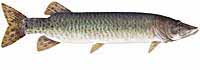
Fishing Report: Muskie
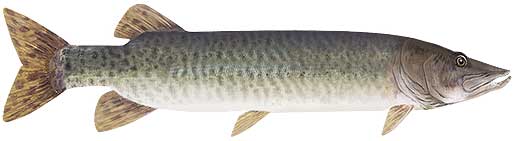
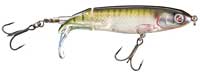
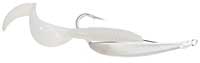
Current Fishing Report: Fair To Good
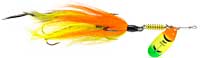
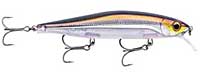
Guide services on Cave Run Lake offer trips for catching big muskie. Big topwater baits, big jerkbaits and big crankbaits are ideal weapons for attacking the monster muskie that swim these waters. The state record muskie, at 47 pounds was caught here.
FALL. Considered by many avid muskie anglers to be the best time to fish for muskie, Fall finds these predators back in the shallows feeding heavily in preparation for winter. 6 to 18 feet of water is where most muskie are being caught, with warm afternoons being the best time to focus on 10 feet deep structure. Windy points off of Scott Creek, Zilpo and Salt Lick are holding baitfish and feeding muskie. Noisy, flashy, and bright color lures are ideal during this time as they are quite aggressive. Jerkbaits and bass assassins are also a good choice.
- Scott Creek timber edges
- Warix Run creek mouth
- Main-lake points near Cave Run Dam
- Twin Knobs weedlines
- Upper Licking River channel
WINTER. As Winter chills the water, muskie move deeper and hold on structure in 12 to 18 feet of water. Points, deep weedbeds, drop-offs, channel edges and around the mouths of rivers are good places to find them this time of year. Cold water causes muskie to be less active in winter, due to slowed metabolism. Slow moving presentations are in order, in 20 to 30 feet of water. Jigging spoons, spinners, ciscoes, shiners and suckers are favorites of muskie enthusiasts.
- Deep basin near Cave Run Dam
- Scott Creek channel ledges
- Warix Run deep timber
- Upper Licking River channel
- Twin Knobs deep structure
SPRING. Muskie move from their deep wintering habitat into shallow bays and flats for Spring spawning. They prowl 3 to 12 feet deep, once water temperatures get into the 50's. Noisy, flashy, and bright color lures are ideal during this time as they are very aggressive. After the spawn is over and water temperatures rise, concentrate on weed lines, and drop-offs along the edges of weedy flats 4 to 15 feet deep. Big spinners, bass assassins, and Johnson spoons will all attract hungry muskie.
- Upper Licking River shallows
- Scott Creek spawning bays
- Warix Run flooded timber
- Twin Knobs shoreline cover
- Main-lake coves near Bangor Boat Ramp
SUMMER. Early and late in the day, muskie cruise shallower cover in search of food in 6 to 12 feet of water. During mid day they prefer the cooler water 15 to 25 feet deep. Ledges, reefs, weedbeds, islands and channel edges are the primary areas to find muskie during the warmer months of Summer. Some of the larger muskie may also suspend in open water, just outside these areas. Trolling or drift fishing reportedly produces some nice catches, using spoons, big spinners and deep diving crankbaits.
- Scott Creek weed edges
- Warix Run submerged timber
- Main-lake points near Cave Run Dam
- Upper Licking River channel breaks
- Twin Knobs deep weedlines
Lake & Fishing Video
Fishing tips for boat or bank fishing
Fish species to fish for...
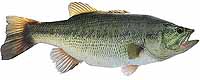
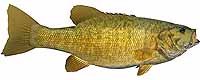
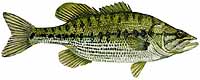
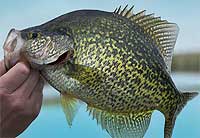
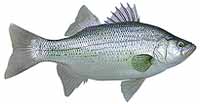
Guide to fishing for largemouth bass, smallmouth bass, spotted bass, black crappie, white crappie, bluegill, white bass and muskie at Cave Run Lake in Kentucky.
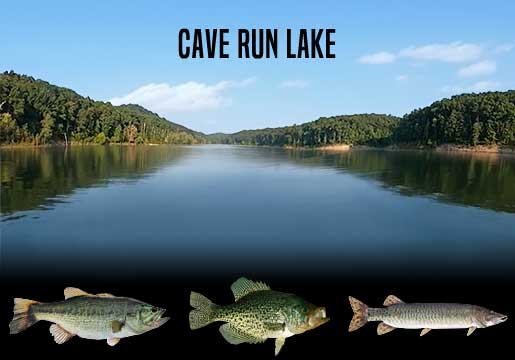
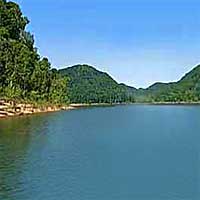 Cave Run Lake is an 8,300-acre lake with over 200 miles of shoreline and is famous for monster muskie. The lake also has crappie, bass, bluegill and white bass. Cave Run Lake is home to various fishing tournaments throughout the year.
Primary fish species to catch
Click images for fishing tips and details about each species.
Today's Weather & Forecast
Fishing Boat Rentals
Click here for fishing boat rentals.
Public Boat Launch Ramps & Landings
Click here for boat ramps.
Marinas
Click here for marinas.
Fishing License
Click here for a Kentucky Fishing License.
Map - Fishing & Access
 Rick Seaman is a fishing enthusiast with over five decades of fishing experience, a retired tournament fisherman, author of numerous published articles on fishing, and co-author of the book "Bass Fishing - It's not WHAT you throw, It's WHERE you throw it".
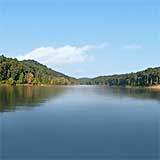 Contact Information
Cave Run Marina
4325 KY-801
Morehead, KY 40351
606 784-9666
Fishing lakes in each state


KENTUCKY
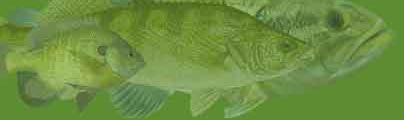

Information about fishing lakes in Kentucky
Cave Run Lake, in northeast KY offers anglers the chance to catch big muskies, and other species.
