
Fishing For Chain Pickerel, Northern Pike & Muskie In Kentucky


Guide to catching chain pickerel, northern pike and muskie in local lakes
Last updated on .
Best lakes, lures and bait
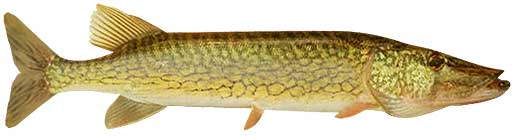
Fishing For Chain Pickerel
Chain pickerel are aggressive, ambush-oriented predators, commonly found in slow-moving rivers and lakes with abundant vegetation. Recognizable by their green, chain-like markings and duckbill snout, pickerel are members of the pike family and are known for explosive strikes, sharp teeth, and a willingness to hit lures year-round. Though often overshadowed by northern pike and muskellunge, chain pickerel provide excellent sport, especially in waters where they are the dominant predator.
Pickerel favor shallow, weedy environments with access to deeper water nearby. They position themselves along weed edges, fallen timber, lily pads, and submerged grass, waiting to attack passing prey such as small fish, frogs, and insects.
In cold water, chain pickerel slow down but remain catchable. They often hold near deep weed edges (8–15 feet), creek channels, or submerged timber adjacent to shallow flats. In waters that freeze over, pickerel are a popular target through the ice, using tip-ups baited with live minnows set just above vegetation. Pickerel spawn early in Spring in shallow, flooded vegetation when water temperatures reach the 40s–50s°F, typically in 1–5 feet of water. As water warms in Summer, pickerel remain shallow but become more cover-oriented. They relate heavily to weed beds, lily pads, and shaded structure, often in 3–10 feet of water, with quick access to deeper water. Early morning and late evening are often the best fishing times. Topwater frogs, weedless spoons, spinnerbaits, and soft plastics rigged weedless shine in summer. As Fall brings cooler water, pickerel prepare for winter by feeding heavily along weed lines, points, and channel edges, often in 5–15 feet of water.
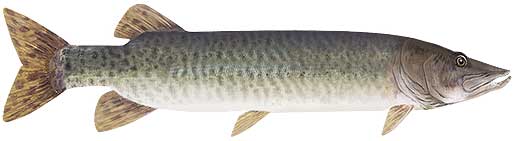
Fishing For Muskie
Muskie—are the largest and most elusive members of the pike family and are widely regarded as North America’s premier freshwater gamefish. Muskies are ferocious predators known for their size, intelligence, and rarity. Often called “the fish of ten thousand casts,” muskie demand patience, precision, and persistence from anglers. They prefer large lakes and river systems with a mix of structure, vegetation, and deep water. They use the cover of weed edges, rock bars, points, submerged timber, and breaks to attack prey. Muskies feed primarily on large forage such as sunfish, perch, frogs and even waterfowl. They are solitary fish with large territories, which contributes to the difficulty of locating and catching them.
In cold water muskie hold near deep basins, channel edges, and remaining green weeds, in 15 to 40 feet of water. Ice anglers occasionally target muskies with large live suckers on tip-ups, but success is limited and regulations vary. Come Spring, muskies spawn when water temperatures reach 48–55°F, in shallow, marshy bays and flooded vegetation, typically 1 to 5 feet deep. After spawning, fish remain shallow to recover and feed. Slow-moving lures such as glide baits, twitch baits, soft plastics, and shallow crankbaits are effective. Summer offers some of the most consistent muskie fishing. As water temperatures stabilize, muskies establish predictable patterns around weed lines, deep edges, rock reefs, and points in 10–30 feet of water. Early morning, late evening, and cloudy days—are prime times. Bucktail spinners, topwater baits, large crankbaits, and rubber swimbaits are staples. Boat-side figure-eight maneuvers are critical, as many muskies strike at the last second. Fall is peak trophy season. As water cools, muskies feed heavily to prepare for winter, often targeting large prey, typically in 15 to 40 feet of water.
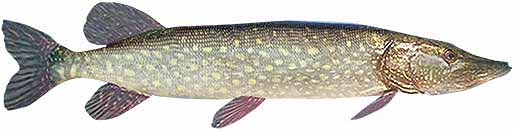
Fishing For Northern Pike
Northern pike tend to roam a lot. They are not inclined to stay in one spot for too long, but will use the same spots over and over across time. Reading current fishing reports and northern pike tournament results from the lake you wish to fish, can give insight into the type of spots northerns are currently using. Reports and results from this time last year can also be helpful. Use this knowledge and look for spots on contour maps to identify spots and areas that meet criteria outlined in the reports. Use these maps to also identify creek channels, flats, and depth variations. This information can help you plan your time on the water, well before you head to the lake.
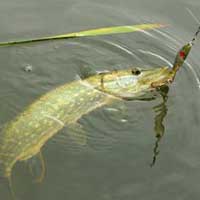 Once you arrive at the lake, focus on finding the fish, by covering lots of water, and specific type spots that match the reports. Northern pike move up and down in the water column in search of the best available water temperatures, availability of food, and a variety of other factors. Begin the day fishing shallow, medium and deep water in search of the best depth for the day. Northern pike also migrate throughout the lake, often following schools of baitfish. Once you locate fish, concentrate on that depth and similar locations. Shallow, weedy areas, next to deeper water are the most common feeding areas for northern pike. Keep lure selection simple. Northern pike are not as picky as many anglers tend to think. Stick to basic colors as long as they are biting, then experiment with brighter color options.
Ice fishing for northern pike can be fun and effective on lakes that freeze over. Cut bait, flashy jigging spoons or live minnows are popular bait choices.
Popular Fishing Lakes
 Larger lakes across the state, with some of these miscellaneous fish populations, may include Buckhorn Lake, Cave Run Lake, Dale Hollow Lake, Dewey Lake, Green River Lake, Herrington Lake, Kentucky Lake, Lake Barkley, Lake Cumberland, Laurel River Lake, Nolin River Lake, Rough River Lake, Taylorsville Lake and many others.
Other Available Species
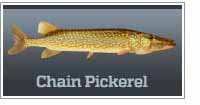
Chain pickerel
world record: 9 lbs 6 oz
state record: 5 lbs 6 oz
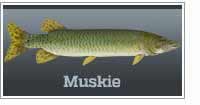
Muskie (Muskellunge)
world record: 69 lbs 9 oz
state record: 47 lbs 0 oz
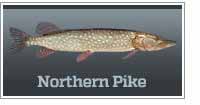
Northern pike
world record: 55 lbs 1 oz
state record: 10.53 lbs
Click the images and links above for species details.
State Fish Records
The state record chain pickerel was taken out of Forked Lake.
The state record muskie was caught in Cave Run Lake.
The state record northern pike was taken out of Laurel River Lake.
Information About Catching Chain Pickerel, Northern Pike and Muskie
Check out the Northern Pike Fishing page to get tips, tactics and methods for catching more pike. Also visit the top producing northern pike lures page to assist in selecting the best baits. The Muskie Fishing page offers methods, tips and tactics. Also view the page revealing the top producing lures for catching musky and tiger musky.
Additional Kentucky Fishing Information
Kentucky Fish & Wildlife - Pike
Kentucky Fish & Wildlife - Muskie
Information on fishing for pike, muskie and other unique species, by state


KENTUCKY