
Ice Fishing Lakes In Connecticut


Guide to favorite fish species at top ice fishing lakes in the state
Last updated on .
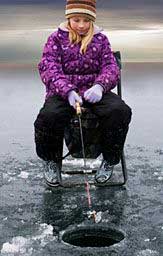 Most lakes in CT freeze over in winter. Some of the best ice fishing lakes in the state include Lake Zoar, Candlewood Lake and Highland Lake. The most popular species through the ice, across the state, include bass, trout and perch. The purpose of this page is to share basic information about the best ice fishing lakes in the state, plus the species found in each lake. See a list of lakes and species below.
Ice fishing is about as basic as angling gets, yet modern innovations have made it more comfortable and efficient than ever. During winter, it remains a popular pursuit in the state, drawing anglers onto frozen lakes and ponds in search of panfish, perch, pickerel, trout, and more. While cutting a hole still requires an auger, now commonly a lightweight lithium-ion powered model. Today’s gear options also include specialized short ice rods, inline reels designed to reduce line twist, high-visibility braided line, and sensitive spring bobbers to detect subtle bites. Many anglers also use sonar-based flashers or compact forward-facing ice transducers to locate fish beneath the ice in real time.
Beyond the basics of rod, reel, line, and hook or lure, anglers frequently rely on tip-ups rigged with baited lines to cover multiple holes (when legal), as well as small tungsten jigs, soft-plastic micro baits, and glow-in-the-dark spoons for deeper water. Live bait such remains effective, while prepared dough baits are popular for stocked trout. Comfort and safety gear have also advanced significantly, with insulated flip-over shelters, portable hub-style ice tents, heated seat buckets, spud bars for checking ice thickness, ice cleats for traction, and float-assist ice suits adding both warmth and security. Though the fundamentals remain simple, today’s ice fishing experience blends tradition with practical, high-tech improvements.
Ice fishing in Connecticut provides anglers with a unique and exciting fishing experience during the winter months. Although the state's winters can be cold, several fish species are available to target through the ice.
Ice Fishing Tips & Techniques Video
One popular fish species for ice fishing in Connecticut is yellow perch. These tasty panfish are known for their schooling behavior and can be found in many lakes and ponds throughout the state. Anglers typically use small jigs, spoons, or bait such as minnows or worms to entice perch under the ice. It's common to set up multiple tip-ups or jigging lines to increase your chances of catching these feisty fish.
Another popular target species for ice anglers is northern pike. Connecticut has several lakes, such as Bantam Lake and Mansfield Hollow Lake, known for their pike populations. These toothy predators can provide thrilling strikes and strong fights. Tip-ups with live or dead baitfish, such as smelt or shiners, are commonly used to target pike through the ice.
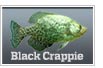
Black crappie and bluegill are also popular species to target while ice fishing in Connecticut. These panfish can be found in many lakes and ponds and are known for their willingness to bite during the winter months. Small jigs or ice fishing-specific baits tipped with waxworms or small pieces of bait are effective for catching crappie and bluegill.
Safety
When ice fishing, safety should be a top priority. Before venturing onto the ice, it's important to ensure that the ice is thick and strong enough to support your weight. At least four inches of clear, solid ice is generally considered safe for walking, while a minimum of five to six inches is recommended for ice fishing. Always use caution, especially near inlets, outlets, and areas with currents, as ice thickness can vary.
It's essential to dress appropriately for the cold weather and to have safety equipment on hand, such as ice picks, a throw rope, and a personal flotation device (PFD). These items can assist in self-rescue in the event of an emergency. Ice fishing with a partner is also recommended for added safety.
Connecticut's Department of Energy and Environmental Protection (DEEP) provides guidelines and safety tips for ice fishing, so it's important to stay updated on any specific regulations or advisories in your area.
Ice fishing in Connecticut offers anglers a chance to enjoy the serene winter landscape while pursuing a variety of fish species. By following safety precautions and using the proper gear, anglers can have a successful and enjoyable ice fishing experience in the state's frozen waters.
Top Ice Fishing Lakes & Species
There are numerous places to go ice fishing in the state. Here are a list of some of the proven, best destinations.
Lake Beseck
Squantz Pond
Tyler Lake
Winchester Lake
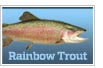
Click the images for species details.
This is a great way to get the kids to go outdoors in winter, connect with nature and learn to fish. The first consideration when attempting to go ice fishing, is safety. Make sure the ice is safe, and that you are prepared should an accident occur. Dress to stay warm - it's better to remove extra jackets than be cold and miserable. Be aware that the ice can be slippery, and falls can be dangerous.
Click here for ice fishing basics, including details on finding the best place to fish, tips for cutting a hole, basic tackle, bait, lures, depths to fish, safety, shanty's, tents and huts.
Best ice fishing methods for crappie, bluegill, perch and sunfish
Horizontal jigs and spoon-type baits are the go-to baits for crappie, either tipped with a minnow, wax worm or prepared baits often triggers more bites. Jigs work better close to the bottom, spoons tend to work better higher in the water column. If options allow, 15 to 30 feet is the most common depth. Adjust as necessary. See additional info on ice fishing for crappie, perch and sunfish.
Best ice fishing methods for walleye
Four basic lures are all you need. Ice jigs are minnow shaped with a tail that causes them to fall in a circular patter. Drop them to the desired depth (often to the bottom), then lift the bait a few feet to let it fall on slack line. Spoons: Metal slabs in chrome or a wide array of colors are used to jig up-and-down mimicking a dying baitfish. Lipless crankbaits: Fish like a spoon. Jigs: Use slightly larger jigs than for crappie, preferably with a flashing blade attached. Tip with live bait and let it sit, up a ways from the bottom typically 1 to 3 feet. A general tip is to always keep your bait off the bottom, one to 5 feet is an ideal place to start. Additional information about ice fishing for walleye.
Best ice fishing methods for trout
Trout focus on small forage fish in winter, so baits that flash silver - jigs or spoons, do well in attracting trout. Dual rods, where legal, are very effective. One rod with a jig/live bait set up on a tip-up, the second with a spoon fished up and down pretty aggressively. See more detail about ice fishing for trout.
Best ice fishing methods for bass
Ice fishing for bass focuses on locating structure and triggering reaction strikes. Drill holes near submerged weed edges, rock piles, drop-offs, or timber where bass hold during winter. Use a medium-light to medium ice rod with 6–10 lb test line and work jigging spoons, lipless crankbaits, or small soft-plastic swimbaits tipped on jig heads. Fish slightly above the depth where bass are marked, using short, sharp lifts followed by controlled drops. Watch your line closely for subtle ticks, and vary cadence until fish respond. Additional information about ice fishing for largemouth and smallmouth bass.
Best ice fishing methods for pike and musky
Live bait, shiners and sunfish, are a great way to attract these big fellahs, assuming local law allows their use. Heavier line, steel leaders, bigger hooks and stronger tip-ups are in order. See more information on ice fishing for pike and musky.
Click here for a Connecticut Fishing License.
Connecticut Map
States with notable ice fishing


CONNECTICUT