



Bantam Lake Fishing Report


Boat and Bank Fishing
By Rick Seaman
Last updated on .
Current, General Fishing Conditions Report - For All Species: ★★★★★
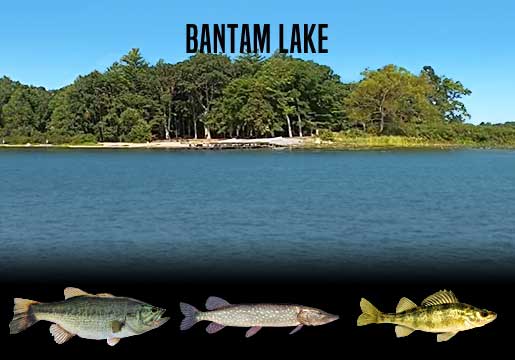
Fishing Reports
Popular Fish Species Bantam Lake, CT
Fishing Report: Largemouth Bass
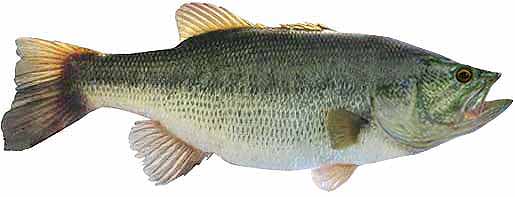

Current Fishing Report: Slow
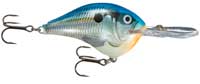
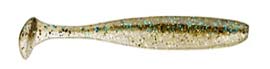
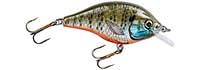
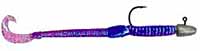
Bass fishing is currently experiencing major changes in the way anglers are approaching the sport. The expanded use of high-tech fish finders is giving anglers, who fish from a boat, a distinct advantage. The fishing hasn't really changed, but the catch rate has increased considerably. The advent of new lures and equipment has improved success for anglers fishing from the bank as well. Savvy anglers, who study bass patterns, continue to catch nice fish, with or without the new gadgets.
WINTER. The cold of Winter has isolated largemouth around deeper structure, flats, points and creek channels. Water temperatures are currently in the 30's, and bass can be found on the bottom, or suspending from 15 to 22 feet deep, occasionally shallower on warm, sunny days. Often, some of the larger bass will isolate away from schools. They are currently being caught around the main basin drop offs. As ice fishing becomes possible, anglers typically seek other species. Here they hold, feeding less frequently, awaiting warmer water to return in Spring. Slow presentations with drop shots, jigs, finesse worms, or Ned rigs are often the key to getting bites, just before, during and after, ice fishing.
- Bantam Lake Dam deep basin
- Main basin creek channel edges
- North Bay standing timber
- Deep weedlines off Point Folly
- South Bay submerged brush piles
SPRING. Once water temperatures rise into the low 60's, largemouth will move from deep wintering holes, to shallower water near spawning areas. Anglers report good topwater action from mid Spring through Summer, especially early in the morning, and on cloudy days. Vibrating jigs, crankbaits, jerkbaits and spinnerbaits typically get bites just away from the shoreline. At this time they are feeding aggressively in about 8 to 15 feet of water, and preparing for the spawn. Once water warms into the mid to high 60's, they will move into 2 to 8 feet of water, and create nests, then lay their eggs. Immediately afterwards, females move to deeper water and males remain to guard the eggs, and then the fry. After a couple weeks, the males also move to slightly deeper water, around 10 to 20 feet deep. Deep-diving crankbaits, vibrating jigs, drop shots, plastic worms, jigs, spoons, and swimbaits catch bass during this period.
- North Bay spawning coves
- Marshy shoreline near Sandy Beach
- Point Folly shallow flats
- South Bay flooded wood
- Lily pad coves along the western shoreline
SUMMER. Water temperatures will warm considerably in Summer. Bass will feed shallow, early and late in the day, where they are typically caught in 5 to 12 feet of water, on topwater lures, square-bill crankbaits, spinnerbaits and a variety of other lures. During Summer, keep an eye on the thermocline to determine the maximum depth to fish, as there is very little oxygen below the thermocline. Largemouth bass here feed on shad, herring, small sunfish and crawfish. During the hotter parts of the day, they are being caught on points, channel edges, and ledges 15 to 22 feet deep. Wacky-rigged stick worms always catch finicky bass when the bite is slow.
- Deep milfoil beds off Point Folly
- Main basin offshore weedlines
- Boat docks near Sandy Beach
- South Bay submerged brush piles
- North Bay creek channel swings
FALL. When Fall arrives, bass here will follow schools of baitfish into coves and shallow bays where crankbaits, swimbaits, and slow-rolled spinnerbaits have been successful in prior years. In early Fall, anglers typically have success in 3 to 15 feet of water, around points and shallow flats leading to deeper water. As deeper water cools, bait and bass move out to ledges, channel edges, points and humps. Here flutter spoons are often the ideal bait in 10 to 20 feet of water. Some of the larger bass will seclude themselves away from the school.
- Point Folly secondary points
- Main basin rocky banks
- North Bay creek mouth
- South Bay outside weed edges
- Bantam Lake Dam riprap
Fishing Report: Northern Pike
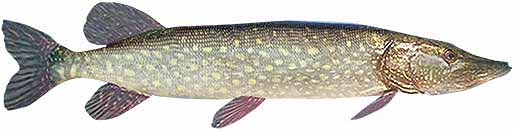
Current Fishing Report: Slow
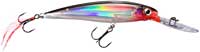
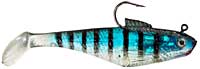
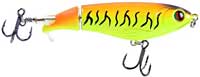
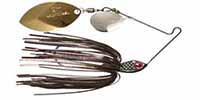
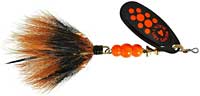
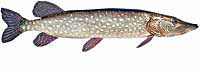
Northern pike are stocked in Bantam Lake to keep the population of sunfish in check. Swimbaits, bright-colored lures and spoons all have been catching nice northerns for many years now. Surface lures often attract big pike to come out of the cover and smash the lures.
WINTER. From December 1st, through the end of February, there is a 36" minimum for keeping pike. Pike remain active in Winter, often congregating in or near remaining weedbeds, especially along the edges. Other structure options include long points, reefs, ledge drop-offs, and rocky humps, ideally nearby deeper water. Look for them in 8 to 15 feet of water before ice over. Ice fishing was good here last winter, and should be again this year. At times, when oxygen is depleted in deeper water, northerns suspend directly under the ice, where maximum oxygen is available. Other times they hold on structure in 10 to 15 feet of water, sometimes deeper.
- Main basin deep weed edges
- North Bay channel drop-offs
- South Bay submerged vegetation
- Bantam River channel
- Bantam Lake Dam basin
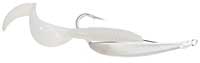
SPRING. From March 1st through April 30th, fishing for, or harvesting pike is not allowed. May 1st through November 30th, there is a 26" minimum for keeping pike. Once the ice melts, anglers report catching northern pike in the shallows on flashy lures. For many decades the Johnson Spoon has been a deadly bait for northerns, especially when tipped with a white, or bright colored trailer. Jerkbaits, big spinners, swimbaits all catch northerns here. As the water warms, noisy topwater baits like the Whopper Flopper are a good choice. Once water temperatures reach around 45 degrees, they move into even shallower areas with vegetation, to spawn. Ideal depths range from 1 to 6 feet. Big pike stage on points, shallow flats and inside coves. Shallow, weedy areas on the north and south shores are classic spawning grounds. After spawning they linger in the shallow bays for a short period. Once water temperatures rise into the 50's, they move to deeper weedbeds and shallow structures 4 to 12 feet deep, adjacent to even deeper water.
- Upper Bantam River marshes
- North Bay shallow weed flats
- South Bay spawning marshes
- Western shoreline backwaters
- Sandy Beach cove
SUMMER. Northern pike scatter all around the lake, rather than gather in groups. This makes them difficult to locate. During the day they are holding shallow around weed beds in 6 to 8 feet of water, or up to 12 feet deep on ledges, reefs, rock piles, islands and channel edges. Some of the larger specimens are suspending in open water, just outside shallow feeding areas. Trolling or drift fishing produces some nice catches, using spoons, big spinners, cut bait, and deep diving crankbaits. Early and late in the day, they move shallow to feed and can be caught around most weedy shorelines, in 4 to 8 feet of water. A good option is the weedbeds off North Bay. Spinnerbaits, noisy topwater lures, and Johnson spoons with curly-tail grubs, catch nice pike shallow when they are shallow.
- Main basin deep cabbage beds
- North Bay weedline edges
- South Bay submerged grass flats
- Point Folly deep weed edges
- Bantam River channel mouth
FALL. As the weather starts turning cold, water temperatures cool fastest in the shallows. This brings schools of shad into shallower water, and northerns follow this food source. They hang around weedbed edges, main-lake points, reefs, and rocky shorelines to ambush prey in 8 to 15 feet of water. Two popular areas are the northeast and southwest shorelines around shallow structure, near drop offs. This is a prime feeding time, as they prepare for winter. It is also a good time to catch a trophy pike.
- Main basin dying weedlines
- North Bay baitfish flats
- Point Folly rocky points
- South Bay creek mouth
- Bantam Lake Dam drop-offs
Fishing Report: Yellow Perch
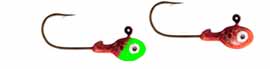
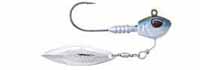
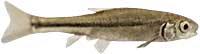
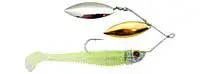
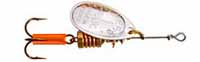
Current Fishing Report: Good
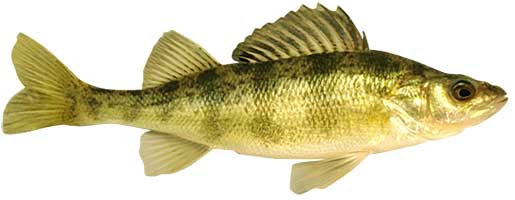
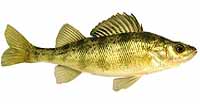
A healthy population of yellow perch reside here, providing a steady food source for bass and pike, plus they provide great fun for anglers. Locals report they are very tasty table fare as well.
WINTER. The cold of winter has driven perch deeper again in search of food and stable water conditions. Mid-depth flats are ideal Winter holding spots. Early this Winter, perch are being caught when they are feeding in weedy areas, in 10 to 20 of water. Fishing for them in Winter is good using minnows, mealworms, maggots, and nightcrawlers. Perch fishing through the ice was very good last Winter, and is expected to be good again this year. As the lake begins to freeze over, they remain deep. These baits continue to work now, while ice fishing, and again once the ice is gone.
- Main basin deep flats
- Bantam Lake Dam basin
- North Bay channel edges
- South Bay deep weedlines
- Bantam River channel
SPRING. Perch spawn in Spring when the water temperature warms to the mid 50's and mid 60's. Anglers will begin to catch them in 10 to 18 feet of water using spinners, small spinnerbaits, underspins, minnows, mealworms, maggots, and nightcrawlers. Docks, weed lines, drop offs all attract yellow perch searching for a meal. They spawn in 6 to 10 feet of water. Later in Spring, they migrate back to deeper water to feed.
- Upper Bantam River inlet
- North Bay shallow coves
- South Bay emerging weed beds
- Western shoreline brush
- Sandy Beach shoreline
SUMMER. Fat yellow perch here feed primarily on small fish and invertebrates. Spinners, underspins, small crankbaits, mealworms, nightcrawlers and maggots are catching perch in 10 to 18 feet of water. In early Summer, plus the first and last hours of the day, seek them out in feeding zones, 6 to 12 feet deep. Drop-offs, standing timber, lay-down trees, shallow weed lines, and in areas with submerged vegetation, are key feeding spots.
- Main basin deep weed edges
- North Bay submerged vegetation
- South Bay drop-offs
- Point Folly offshore flats
- Bantam River channel edge
FALL. Early Fall finds yellow perch feeding in 10 to 12 feet of water. Later in the Fall, they begin migrating toward Winter holding areas, often in the deeper sections, around the edges of weedbeds, drop offs along flats, channel edges, rock piles and humps. In late Fall focus on 14 to 18 feet deep cover. Minnows, spinners, spoons and small jigs are ideal this time of year.
- Main basin baitfish flats
- North Bay creek mouth
- South Bay outside weed edges
- Point Folly drop-offs
- Bantam Lake Dam basin
Lake & Fishing Video
Fishing tips for boat or bank fishing
Fish species to fish for...
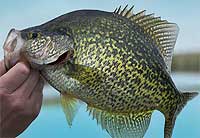
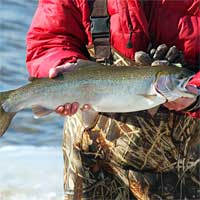
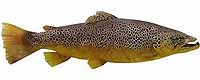
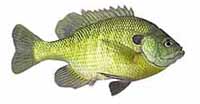
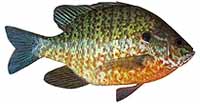
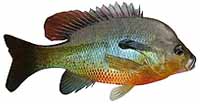
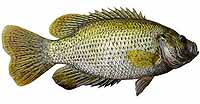
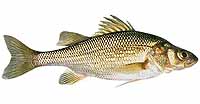
Guide to fishing for largemouth bass, smallmouth bass, black crappie, rainbow trout, brown trout, bluegill, pumpkinseed sunfish, redbreast sunfish, rock bass, white perch, yellow perch, chain pickerel and northern pike at Bantam Lake in Connecticut.
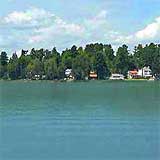
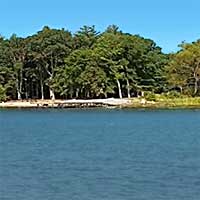 Bantam Lake is a 950-acre, natural lake, with almost 10 miles of shoreline. It is an ideal location for the numerous bass tournaments held here annually. This is home to bass, crappie, trout, bluegill, sunfish, pike, and perch. Car toppers, canoes, kayaks and power boats are all popular here as well.
Primary fish species to catch
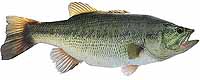
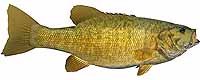
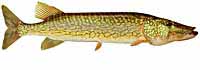
Click images for fishing tips and details about each species.
Today's Weather & Forecast
Public Boat Launch Ramps & Landings
Click here for boat ramps.
Fishing License
Click here for a Connecticut Fishing License.
Map - Fishing & Access
 Rick Seaman is a fishing enthusiast with over five decades of fishing experience, a retired tournament fisherman, author of numerous published articles on fishing, and co-author of the book "Bass Fishing - It's not WHAT you throw, It's WHERE you throw it".
 Contact Information
White Memorial Marina
N Shore Road
Bantam, CT 06750
860 567-0089
Fishing lakes in each state


CONNECTICUT

Information about fishing lakes in Connecticut
Fishing for bass, crappie, trout, sunfish, perch, pickerel and northern pike, in northwest CT at Bantam Lake.
