



Boone Lake Fishing Report


Boat and Bank Fishing
By Rick Seaman
Last updated on .
Current, General Fishing Conditions Report - For All Species: ★★★★☆
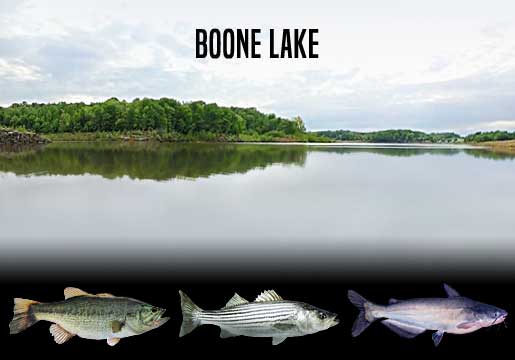
Fishing Reports
Popular Fish Species Boone Lake, TN
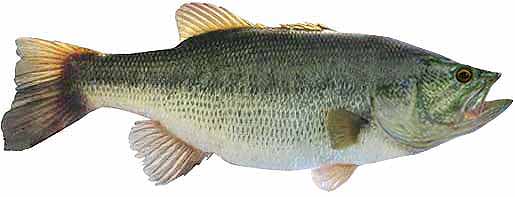
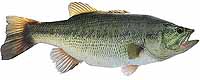
Fishing Report: Largemouth Bass

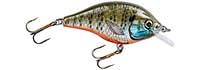
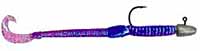

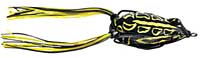
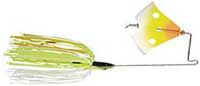
Current Fishing Report: Good
Bass fishing is currently experiencing major changes in the way anglers are approaching the sport. The expanded use of high-tech fish finders is giving anglers, who fish from a boat, a distinct advantage. The fishing hasn't really changed, but the catch rate has increased considerably. The advent of new lures and equipment has improved success for anglers fishing from the bank as well. Savvy anglers, who study bass patterns, continue to catch nice fish, with or without the new gadgets.
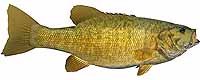
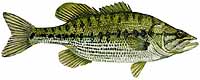
There is a good population of bass here. Although largemouth are the primary targets, spotted and smallmouth bass also reside in Boone Lake. Locals report a wide variety of lures are catching decent largemouth bass here. These bass feed on threadfin shad, alewives and gizzard shad, as well as sunfish and crawfish. Texas-style worms are a standard here, with stick worms catching them when the bass are being finicky. Crankbaits, spinnerbaits and topwater are also getting lots of bites.
WINTER. The cold of Winter has isolated largemouth around deeper structure, flats, points and creek channels. Water temperatures are currently in the low 40's, and bass can be found from 10 to 30 feet deep, around main-lake channel edges, rock piles, stump fields and brush piles. Areas with good reports include and the rip rap along causeways, points around Rainbow Bridge and Pickens Bridge, and deeper flats around Deerlick Bend. Often, some of the larger bass will isolate from the group in 5 to 10 feet deeper water. Here they hold, feeding less frequently, awaiting warmer water to return in Spring. Slow presentations with drop shots, jigs or finesse worms are often the key to getting bites. On warmer days, especially during late afternoons, bass may move a bit shallower to feed.
- Steep bluff banks near Boone Dam
- Deep creek channels in Carroll Creek
- Brush piles in Davis Hollow
- Main-lake ledges near Winged Deer Park
- Standing timber in the upper Watauga River arm
SPRING. Once water temperatures rise into the low 60's, largemouth will move from deep wintering holes, to shallower water nearby spawning areas. Anglers report good topwater action from mid Spring through Summer, especially early in the morning, and on cloudy days. Vibrating jigs, jerkbaits and spinnerbaits typically get bites just away from the shoreline. At this time they are feeding aggressively in about 2 to 10 feet of water, and preparing for the spawn. Popular areas include creek mouths and secondary points on the north arms. Once water warms into the mid to high 60's, they will move into 1 to 6 feet of water, and create nests, then lay their eggs. Immediately afterwards, females move to deeper water and males remain to guard the eggs, and then the fry. After a couple weeks, the males also move to slightly deeper water, around 10 to 15 feet deep. Deep-diving crankbaits, vibrating jigs, plastic worms, jigs, spoons, and swimbaits catch bass during this period.
- Flooded brush in Carroll Creek
- Protected spawning coves in Davis Hollow
- Shallow flats along the Watauga River arm
- Secondary points near Winged Deer Park
- Woody shoreline cover above Boone Dam
SUMMER. Water temperatures will warm considerably in Summer. Bass will feed shallow, early and late in the day, where they will be caught in 2 to 10 feet of water, on topwater lures, square-bill crankbaits, spinnerbaits and a variety of other lures. Wacky-rigged stick worms always catch finicky bass when the bite is slow. During Summer, keep an eye on the thermocline to determine the maximum depth to fish, as there is very little oxygen below the thermocline. Largemouth bass here feed on shad, herring, small sunfish and crawfish. During the hotter parts of the day, they are being caught on points, channel edges, and ledges 8 to 25 feet deep. Some of the best reports seem to be from anglers fishing shady areas around Boone Lake Marina, Lakeview Marina, and along mid-lake humps and points.
- Deep brush piles in Carroll Creek
- Main-lake points near Boone Dam
- Boat docks around Winged Deer Park
- Channel ledges in Davis Hollow
- Rock-and-brush transitions along the Watauga River arm
FALL. When Fall arrives, bass here will follow schools of baitfish into coves and shallow bays where crankbaits, swimbaits, and slow-rolled spinnerbaits have been successful in prior years. In early Fall, anglers typically have success in 8 to 20 feet of water, around points and shallow flats leading to deeper water. As deeper water cools, bait and bass move out to ledges, channel edges, points and humps where flutter spoons are often the ideal bait. Some of the larger bass will seclude themselves from the school, in 10 to 20 feet deeper water.
- Creek mouths in Carroll Creek
- Shad-filled coves in Davis Hollow
- Main-lake points near Boone Dam
- Brush-lined banks along the Watauga River arm
- Channel swings near Winged Deer Park
Fishing Report: Striped Bass
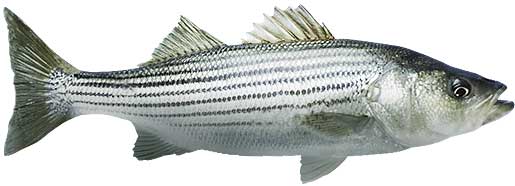
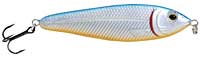
Current Fishing Report: Good
Thanks to a 36-inch minimum length limit on striped bass and a 15-inch minimum length limit on hybrid stripers, the population of both are thriving here.
Striped bass run in schools, and the use of new technology is helping anglers catch more stripers. Forward-facing, and side scanning, sonar is currently one of the the easiest ways to locate schools of both fish and baitfish. Once located using these advanced fish finders, striped bass are being caught by trolling, casting or jigging, depending on depth.
WINTER. In Winter, stripers again hang out in deeper water and feed close to the bottom, often as deep as 40 feet. Warm, sunny afternoons occasionally draw stripers shallower, to around 10 or 20 feet deep as they feed on roaming schools of threadfin shad, gizzard shad and alewives. The main lake basin, along deep channels is holding schools of stripers, especially in the section of lake around Boone Dam. Locate schools of bait, then look for stripers close by. Fish finders, and forward facing sonar, are a big help in locating these roaming schools. Nice stripers are caught while drift fishing with live bait or cut bait. Spoons, blade baits, and heavy hair jigs are also effective this time of year. Due to the stripers slower metabolism this time of year, anglers are triggering more strikes by working baits more slowly.
- Deep basin near Boone Dam
- Main channel of the South Fork Holston River arm
- Lower Watauga River channel
- Open water near Winged Deer Park
- Suspended baitfish schools in the lower lake
SPRING. Water temperatures are return to the mid 60's, and that's ideal for the stripers to spawn. In Spring, work the upper end of the lake, and the backs of coves, where there is inflowing water. If they spawn, this is where they will lay eggs in the moving water. They also move into transition zones on the main lake, in 6 to 20 feet of water, feeding on baitfish which are moving toward the shallows. Expect to locate them on mid-depth ledges, flats or points. The lake record produces stripers well over 30 pounds, and many anglers believe there are much bigger ones to be caught.
- Upper South Fork Holston River arm
- Watauga River inflow
- Current breaks below river shoals
- Main-lake points near Winged Deer Park
- Creek mouths entering the upper reservoir
SUMMER. Summer months are the ideal time to chase striped bass here. These stripers hang out in deeper water during the heat of the day, 15 to 40 feet deep, early in the season. Much of the time they are holding over deeper, open water. Morning often draws the stripers shallower, so look for them around the 10-foot range as they feed on roaming schools of baitfish. Being successful at fishing for stripers in Summer is a matter of locating schools of bait, and the wolf packs of stripers are likely to be nearby. Later in Fall, expect to locate schools 20 to 35 feet deep. Fish finders, and sonar electronics, are a big help in locating these roaming schools. Nice stripers are being caught while trolling or drift fishing. Spoons, blade baits, crankbaits, live bait and cut bait are all effective here.
- Deep water near Boone Dam
- Open-water schools over the lower basin
- South Fork Holston River channel ledges
- Watauga River channel mouth
- Offshore humps near Winged Deer Park
FALL. In Fall, stripers return to shallower water. Early in the day stripers chase bait to the surface and feed aggressively, making this an excellent time for topwater action. They follow schools of bait, which are hanging out in 8 to 30 feet of water. Look for shallow water nearby deeper river channels, and fish them thoroughly. Most any lure that resembles shad will catch striped bass at this time of year. Late Fall will find most of the stripers in 30 to 40 feet of water. In-flowing waters from the Watauga River can hold decent concentrations of fish.
- Main-lake basin near Boone Dam
- South Fork Holston River channel
- Watauga River mouth
- Open water off Winged Deer Park
- Main-lake points following shad schools
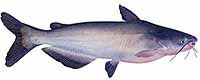
Fishing Report: Blue Catfish
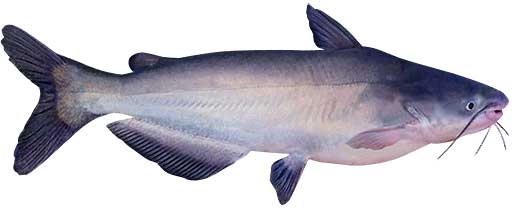
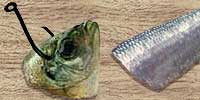
Current Fishing Report: Good To Very Good
Anglers are catching big, blue catfish using forward-facing sonar and other high-tech fish finders, originally designed for bass fishing. As a result, they are now catching more and bigger blues, by identifying specific targets. The catch rate is improving as anglers hone their skills with these new tools. Currently, new baits, line and rigging methods have also improved success for bank fishing enthusiasts. Savvy anglers, who study the life cycle and patterns of blue catfish, are still catching nice fish, with or without these new tools.
The Tennessee Wildlife Resources Agency reports a limit of only one catfish over 34 inches may be harvested per day. This has improved the blue catfish fishery, which was established over three decades ago. Anglers are catching a lot of these big cats, especially along the South Fork Holston River and the Watauga River channels.
WINTER. Currently, anglers are focusing on deep holes, 20 to 60 feet deep, where blue catfish wait through the cold-water season. They are less aggressive now, but slow drifting, or dead sticking baits, can still trigger bites. Cut bait, or live bait taken from this lake are the top bait choice. Use slip sinkers, 3-way rigs, or Carolina rigs with enough weight to keep the bait bumping bottom as you drift or slow troll.
- Deep holes below Boone Dam
- South Fork Holston River channel bends
- Deep basin near Winged Deer Park
- Rocky drop-offs at the Watauga River confluence
- Main-lake ledges in the lower reservoir
SPRING. Spring begins the aggressive feeding in preparation for winter. Blues at this time are being caught 8 to 30 feet deep in bays, on flats, and and shallow ledges where baitfish school. Transition zones between the main channel and secondary creek channels, and flats around creek mouths are popular areas. Cut bait is the ideal bait this time of year, with locals preferring cut shad and herring.
- Upper South Fork Holston River channel
- Current breaks along the Watauga River arm
- Flooded timber in Carroll Creek
- Creek mouths throughout the upper reservoir
- Riprap near Boone Dam
SUMMER. Early Summer is post-spawn season for big blue catfish. They follow big schools of baitfish, and feed heartily in 20 to 50 feet of water. Live shad is the preferred bait at night, while cut bait is catching nice blues during the day. Stay around channel edges and fish areas that have concentrations of bait. Once Summer weather has warmed lake water above the 70's, blue catfish move closer to the main lake, to deeper feeding areas, still preferring to remain in current when available. At night they move shallow into 6 to 20 feet of water. Blues, including some of the bigger ones, are now being caught while slow trolling, or drifting ledges, adjacent to river channels, or within the channel along the edges. Anglers fishing from the bank are catching a few fish, but boats are the preferred approach. Late Summer, if the water temperature rises above the high 70's, they become less active, and fishing can slow down.
- Deep river channel near Boone Dam
- Outside bends of the South Fork Holston River
- Rocky points near Winged Deer Park
- Submerged timber in Carroll Creek
- Channel intersections at the Watauga River confluence
FALL. Fall is one of the better times of year for catching blue catfish. Early in Fall they cruise the shallows in 8 to 30 feet of water, in search of food. Areas with good reports include points and channel bends around Rainbow Bridge and Pickens Bridge. Later, in the season they migrate away from the shallows and current, to moderately deeper holes in the main body of the lake, around 25 to 50 feet deep. They remain in these areas and feed aggressively in preparation for Winter.
- Deep holes below Boone Dam
- South Fork Holston River channel ledges
- Rocky structure near Winged Deer Park
- Main-lake drop-offs at the Watauga River confluence
- Creek mouths following migrating baitfish
Lake & Fishing Video
Fishing tips for boat or bank fishing
Fish species to fish for...
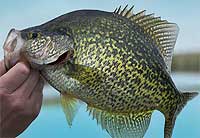
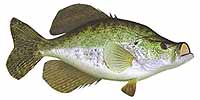
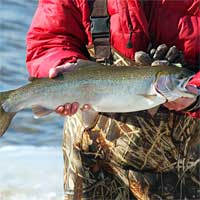
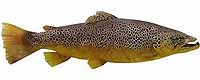
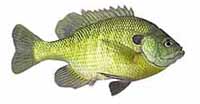
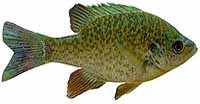
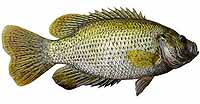
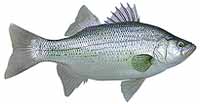
Guide to fishing for largemouth bass, smallmouth bass, spotted bass, blue catfish, black crappie, white crappie, rainbow trout, brown trout, bluegill, redear sunfish, rock bass, white bass, striped bass and hybrid striped bass at Boone Lake in Tennessee.
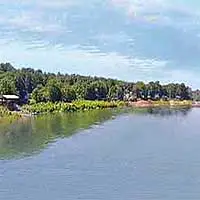 Boone Lake is a 4,500-acre lake with over 160 miles of shoreline. It offers excellent bass and striped bass fishing, plus catfish, crappie, hybrid stripers and sunfish which are all abundant here. The TWRA also stocks the lake with rainbow and brown trout. There very limited areas to fish from the bank, boats are ideal here..
Primary fish species to catch
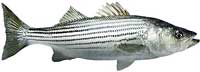
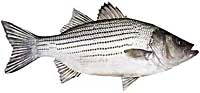
Click images for fishing tips and details about each species.
Today's Weather & Forecast
Fishing Boat Rentals
Click here for fishing boat rentals.
Marinas
Click here for marinas.
Public Boat Launch Ramps & Landings
Click here for boat ramps.
Fishing License
Click here for a Tennessee Fishing License.
Map - Fishing & Access
 Rick Seaman is a fishing enthusiast with over five decades of fishing experience, a retired tournament fisherman, author of numerous published articles on fishing, and co-author of the book "Bass Fishing - It's not WHAT you throw, It's WHERE you throw it".
 Contact Information
Boone Lake Association
PO Box 111
Piney Flats, TN 37686
423 360-5057
Fishing lakes in each state


TENNESSEE

Excellent bass and striper fishing in north-central TN.
