



Lake Jocassee Fishing Report


Boat and Bank Fishing
By Rick Seaman
Last updated on .
Current, General Fishing Conditions Report - For All Species: ★★★★★
Fishing Reports
Popular Fish Species Lake Jocassee, SC
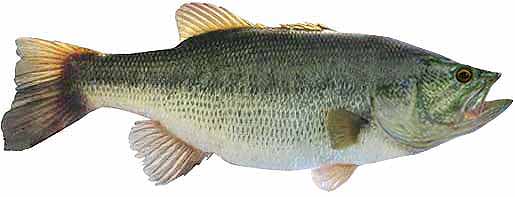
Fishing Report: Largemouth Bass


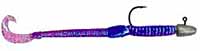

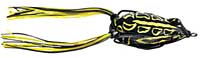
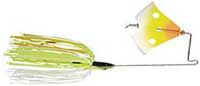
Current Fishing Report: Good
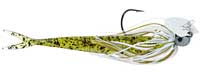
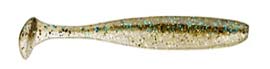
Bass fishing is currently experiencing major changes in the way anglers are approaching the sport. The expanded use of high-tech fish finders is giving anglers, who fish from a boat, a distinct advantage. The fishing hasn't really changed, but the catch rate has increased considerably. The advent of new lures and equipment has improved success for anglers fishing from the bank as well. Savvy anglers, who study bass patterns, continue to catch nice fish, with or without the new gadgets.
Although largemouth bass take back seat to smallmouth here, they are still a major player in the lake's bass fishery. Locals report using stealth techniques to attract bites in the extremely clear water. Long casts, light line and natural looking lures will pay dividends. A quiet approach will also enhance the odds of getting quality bites.
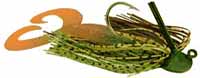
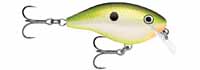
FALL. Now that Fall is in full swing, bass here have moved shallow, following schools of baitfish into coves and shallow bays around 8 to 15 feet of water. The mouths of the Toxaway arm and the Thompson arm are good feeding grounds, and holding decent numbers of bass. Currently topwater, jerkbaits, deep-diving crankbaits, and slow-rolled spinnerbaits are catching some nice bass. Later in Fall, as deeper water cools, bait and bass move out to ledges, channel edges, points and humps where flutter spoons, jigs and drop shots are often good choices in 15 to 18 feet of water.
- Toxaway River Arm shoreline timber
- Laurel Fork Creek coves
- Devils Fork rocky points
- Whitewater River backwaters
- Main-lake points near Jocassee Dam
WINTER. Winter will isolate largemouth around slightly deeper structure, flats, points and creek channels. They can be found from 10 to 25 feet deep. Here they hold, feeding less frequently, awaiting warmer water to return in Spring. Slow presentations are key to getting bites. On warmer days, especially during late afternoons, bass may move into 8 to 12 feet of water to feed.
- Deep points near Jocassee Dam
- Toxaway River channel ledges
- Laurel Fork Creek drop-offs
- Devils Fork bluff banks
- Whitewater River deep structure
SPRING. Once water temperatures rise into the low 60's, largemouth will move from deep wintering holes, to shallower water nearby spawning areas. Anglers report good topwater action from mid Spring through Summer, especially early in the morning, and on cloudy days. Vibrating jigs, jerkbaits and spinnerbaits typically get bites just away from the shoreline. At this time they are feeding aggressively in about 3 to 8 feet of water, and preparing for the spawn. Once water warms into the mid to high 60's, they will move into 2 to 5 feet of water, and create nests, then lay their eggs. Immediately afterwards, females move to deeper water and males remain to guard the eggs, and then the fry. After a couple weeks, the males also move to slightly deeper water, around 6 to 12 feet deep. Deep-diving crankbaits, vibrating jigs, plastic worms, jigs, worms, and swimbaits catch bass during this period.
- Laurel Fork Creek spawning coves
- Toxaway River flooded shoreline cover
- Whitewater River shallow pockets
- Devils Fork protected coves
- Backwater coves above Horsepasture River
SUMMER. Water temperatures will warm considerably in Summer. Bass will feed shallow, early and late in the day, where they will be caught in 2 to 8 feet of water, on square-bill crankbaits and spinnerbaits. Wacky-rigged stick worms always catch finicky bass when the bite is slow. Largemouth bass here feed on shad, herring, small sunfish and crawfish. During the hotter parts of the day, they are being caught on points, channel edges, and ledges 10 to 25 feet deep. Some of the best reports seem to be from anglers fishing around shallow vegetation, lily pockets and rip-rap.
- Devils Fork boat docks
- Main-lake points near Jocassee Dam
- Toxaway River channel ledges
- Laurel Fork submerged timber
- Whitewater River shaded shoreline cover
Fishing Report: Rainbow Trout
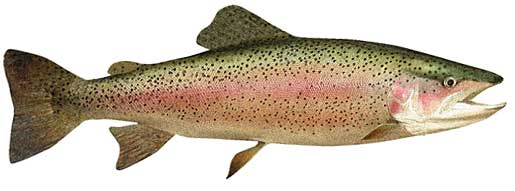
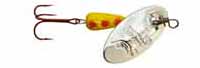
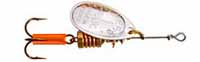
Current Fishing Report: Good To Very Good
The use of new technology is helping anglers catch more rainbow trout. Forward-facing, and side scanning, sonar is currently the best way to locate trout, especially when they school in deep water. Rainbows are caught trolling, casting or jigging, once located on these sophisticated fish finders.
This lake holds the state record for rainbow trout at over 11 pounds.
FALL. Cooling water temperatures in the shallows, draw rainbow trout out of deeper Summer depths. Anglers are now catching them 10 to 30 feet deep on rocky banks, wind-blown points, rocky structure, humps, and anywhere baitfish are gathering. Bait funnels into the mouths of the Thompson arm, the Horsepasture arm, and the Toxaway arm, drawing rainbows into shallow water to feed. Now that they had a full summer to grow, there are some nice size rainbow to be caught. Small spinners, spoons, jigs, miniature crankbaits and swimbaits are good choices, as are salmon eggs and prepared baits. Later in Autumn, they move into 15 to 35 feet of water.
- Whitewater River Arm
- Horsepasture River inlet
- Toxaway River mouth
- Jocassee Dam deep shoreline
- Laurel Fork Creek mouth
WINTER. When Winter sets in jigging spoons, and jigs tipped with bait, are catching nice limits of rainbows out of 15 to 40 feet of water. These baits work well before, during and after ice fishing season. After ice out, deep trolling with leaded line or downriggers, or vertical jigging with spoons and jigs, are the best approach during the cold-water season.
- Deep basin near Jocassee Dam
- Whitewater River channel mouth
- Horsepasture River deep water
- Toxaway River basin
- Laurel Fork Creek drop-offs
SPRING. As water begins to warm in early Spring, rainbow trout move from their late winter holding areas to shallow, warmer water 10 to 30 feet deep. A good number of rainbows are typically caught from mid morning to late afternoon, during the warmest water of the day. Shallow flats and rocky structure, next to deep water, are quick to warm in the afternoon sun. A wide variety of small spinners, spoons and bait are catching most of the fish.
- Horsepasture River inlet
- Whitewater River inflow
- Toxaway River shoreline
- Laurel Fork Creek access area
- Jocassee Dam shoreline
SUMMER. Once Summer is here to stay, the warmer water drives rainbow deeper, 60 to 100 feet deep, occasionally deeper. Trolling with spoons, spinners and crankbaits, using downriggers or leaded line, and drift fishing with bait, are currently the most productive methods. Following drop-offs into deeper water, along structure or the main channel, is a major key to getting bites. Anglers fishing from the bank are using nightcrawlers or Berkley PowerBait, with heavy weights on a Carolina rig, to get baits into deeper water.
- Horsepasture River cooler inflows
- Whitewater River deep channel
- Toxaway River mouth
- Deep basin near Jocassee Dam
- Laurel Fork Creek cooler water
Fishing Report: Brown Trout
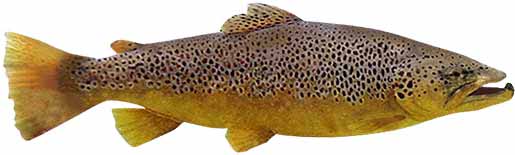
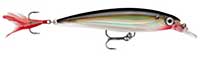
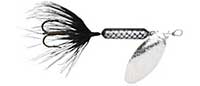
Current Fishing Report: Good
Home to the state record brown trout, at over 17 pounds, Lake Lake Jocassee continues to deliver big browns for trout enthusiasts.
FALL. Cooling water temperatures again draw browns shallower. Successful anglers are catching them 10 to 40 feet deep on points, rocky structure, humps, and mouths and corners of major bays, where baitfish are gathering. Decent catches are coming on jerkbaits, miniature crankbaits, small spinnerbaits and swimbaits. Once they have had a full summer to grow, it's a good time to catch a trophy. When they move out to structure in deep water, deep-trolling or jigging with spoons, jigs and bait are catching browns.
- Horsepasture River Arm
- Whitewater River mouth
- Jocassee Dam rocky shoreline
- Toxaway River channel
- Laurel Fork Creek drop-offs
WINTER. When Winter sets in, fishing is still popular here. Jigging spoons and jigs tipped with bait are catching most limits of brown trout, in 15 to 40 feet of water. Trolling, drift fishing and jigging spoons all work well. Slower presentations improve catch rates as these trout have a low metabolism in the colder months.
- Deep basin near Jocassee Dam
- Horsepasture River deep channel
- Whitewater River basin edge
- Toxaway River deep structure
- Laurel Fork Creek ledges
SPRING. As water begins to warm in early Spring, brown trout move from their deep winter holding areas to shallower, warmer water, especially into inflowing creeks, backwaters and onto flats - 10 to 30 feet deep. Points, creek-mouth flats, rocky ledges and transitions into deeper water hold brownies in Spring. The most productive fishing is happening from mid morning to late afternoon, during the warmest water of the day. A wide variety of small spinners, jerkbaits and flukes are catching most of the fish.
- Horsepasture River inlet
- Whitewater River shoreline
- Jocassee Dam rocky banks
- Toxaway River transition areas
- Laurel Fork Creek shoreline
SUMMER. Once Summer is here to stay, the warmer water drives brown trout deeper, 60 to 100 feet deep, and deeper. Early in the morning and at dusk, they are being caught shallower in these low-light conditions. Trolling around ledges and structure, using downriggers or leaded line, and drift fishing with bait, are currently the most productive methods.
- Horsepasture River cooler inflows
- Whitewater River deep channel
- Deep basin near Jocassee Dam
- Toxaway River offshore breaks
- Laurel Fork Creek deep drop-offs
Lake & Fishing Video
Fishing tips for boat or bank fishing
Fish species to fish for...
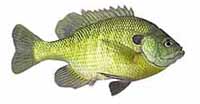
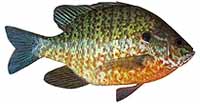
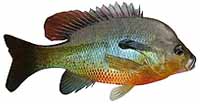
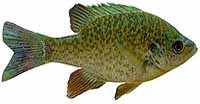
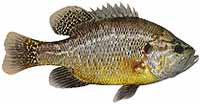
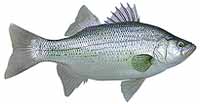
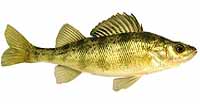
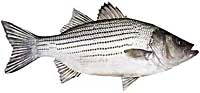
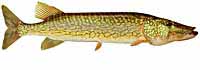
Guide to fishing for largemouth bass, smallmouth bass, spotted bass, redeye bass, channel catfish, flathead catfish, black crappie, white crappie, rainbow trout, brown trout, bluegill, pumpkinseed sunfish, redbreast sunfish, redear sunfish, warmouth, white bass, yellow perch, hybrid striped bass and chain pickerel at Lake Jocassee in South Carolina.
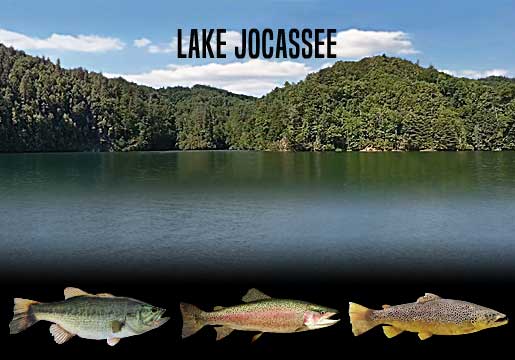
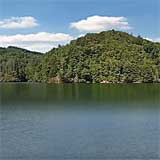
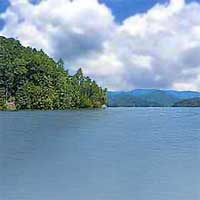 Lake Jocassee is a 7,500-acre reservoir with 75 miles of rocky shoreline, that offers fishing for both cold-water and warm-water fish species. Trout, hybrid stripers, bass, crappie, catfish, pickerel, sunfish and white bass all thrive in this . This scenic lake is located on the northwest border of the state.
Primary fish species to catch
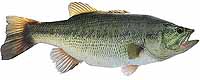
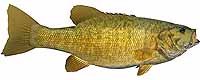
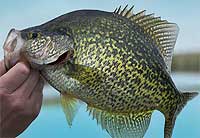
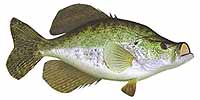
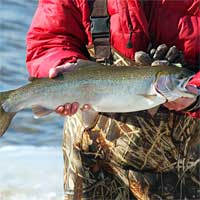
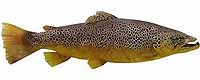
Click images for fishing tips and details about each species.
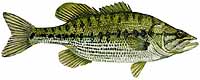
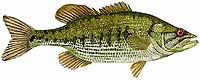
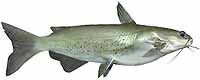
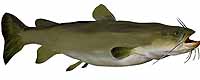
Today's Weather & Forecast
Fishing Boat Rentals
Click here for fishing boat rentals.
Public Boat Launch Ramps & Landings
Click here for boat ramps.
Fishing License
Click here for a South Carolina Fishing License.
Map - Fishing & Access
 Rick Seaman is a fishing enthusiast with over five decades of fishing experience, a retired tournament fisherman, author of numerous published articles on fishing, and co-author of the book "Bass Fishing - It's not WHAT you throw, It's WHERE you throw it".
 Contact Information
Devils Fork State Park
161 Holcombe Cir
Salem, SC 29676
864 944-2639
Fishing lakes in each state


111125
SOUTH CAROLINA

Information about fishing lakes in SC
Go fishing at Lake Jocassee to catch trout, hybrid stripers, bass, crappie, catfish, pickerel, sunfish and white bass in the northwest corner of South Carolina.
