



Lake Monroe Fishing Report


Boat and Bank Fishing
By Rick Seaman
Last updated on .
Current, General Fishing Conditions Report - For All Species: ★★★★☆
Fishing Reports
Popular Fish Species Lake Monroe, FL
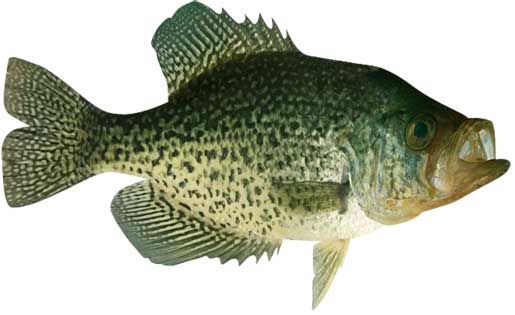
Fishing Report: Black Crappie
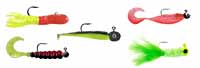
Current Fishing Report: Good
Black crappie are being caught using new technologies, reducing the amount of time it takes to locate schools. Forward-facing sonar is allowing anglers, fishing from a boat, to locate schools and focus fishing time on areas with good numbers of crappie. Anglers fishing from the bank still have to search via test casting, until a school is located. Then, they are catching them as anglers have for many decades, before the new electronics became available.
SUMMER. Water temperatures are currently in the 80's, and crappie fishing has been decent. Most anglers are catching decent numbers of 12" to 14" slabs. The western shore, along Interstate 4,is producing lots of bites. Now that the spawn is over, and the hot Summer sun is warming the shallows, crappie have retreated to depths of 6 to 20 feet, depending on cover and shade. Anglers are locating schools of crappie hanging over deep timber, around concrete pilings, above rocky structures and around creek channel edges.
- Brush piles in 10 to 15 feet of water
- Bridge pilings beneath Interstate 4
- Outer hydrilla edges
- Old river channel bends
- Drop-offs near the Wekiva River mouth
FALL. Baitfish, which will be moving into shallow flats and bays, draw crappie into these areas, where they are feeding heavily in preparation for the cold Winter. Small spoons are a good option during this feeding marathon.
- Mouth of the Wekiva River
- Brush piles in the central basin
- Old St. Johns River channel edges
- Vegetation along the north shoreline
- Deep docks around Sanford Marina
WINTER. Once the shallows are cooling rapidly, crappie will have migrated to deeper holding areas, mostly off shore. They are typically caught using a very slow presentation, around 20 feet deep. Even though they are no necessarily on the bottom, they are relating to some cover, or structure change, below them.
- Old St. Johns River channel near the I-4 Bridge
- Deep brush piles off Lake Monroe Park
- Mouth of the Wekiva River
- Submerged timber near the west basin
- Deep docks around Sanford Marina
SPRING. Crappie begin staging in 10 to 15 feet of water, just outside spawning bays and shallow flats. Spring is prime time to be on the water, as crappie will have moved shallow to spawn. They are caught between 2 to 6 feet of water. Docks, brush, wood and vegetation are where most anglers are catching good numbers using small crappie jigs or live minnows.
Anglers have reporting good success using fish finders and forward facing sonar to locate schools of crappie, which tend to stack vertically around cover. Light tackle with 4 lb to 8 lb line is a popular choice.
- Shallow cypress trees near the Wekiva River mouth
- Flooded brush along the north shoreline
- Canals near Mellonville Avenue
- Vegetated coves west of Sanford
- Shallow reeds near the St. Johns River inflow
Fishing Report: Largemouth Bass
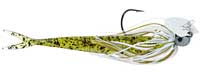
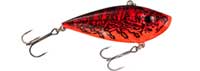
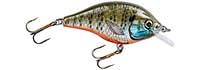
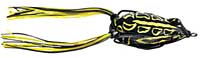

Current Fishing Report: Good To Very Good
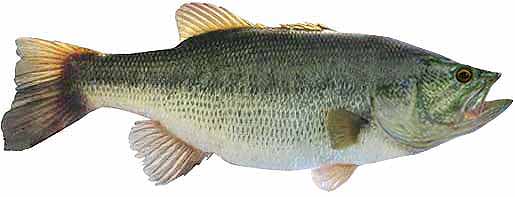
Bass fishing is currently experiencing major changes in the way anglers are approaching the sport. The expanded use of high-tech fish finders is giving anglers, who fish from a boat, a distinct advantage. The fishing hasn't really changed, but the catch rate has increased considerably. The advent of new lures and equipment has improved success for anglers fishing from the bank as well. Savvy anglers, who study bass patterns, continue to catch nice fish, with or without the new gadgets.
Lake Monroe is known for quality bass fishing, with lots of 4 to 7 pound fish caught with some frequency. The fishing is typically good to very good, year round.
SUMMER. Bass are feeding shallow early and late in the day, where they are being caught on topwater, crankbaits and swimbaits. Wacky-rigged stick worms are catching finicky bass when the bite is slow. Largemouth bass here feed on gizzard shad, threadfin shad, small sunfish and crawfish. During the hotter parts of the day, they are being caught deeper along ledges and drop-offs from 15 to 20 feet deep. Also some nice fish are being caught on frogs, or flipping shallow, thick vegetation. The best reports seem to be from anglers fishing around the northern and eastern sections of the lake, especially outside Allens Creek and Quick Creek.
- Deep hydrilla mats in the central basin
- Shell bars along the old river channel
- Shaded docks and marina slips
- Outside grasslines near the Wekiva River
- Current breaks around the I-4 Bridge
FALL. As Fall arrives, bass here will follow schools of baitfish into coves and shallow bays, where spoons, swimbaits, and slow-rolled spinnerbaits have been successful in prior years.
- Mouth of the Wekiva River
- Hydrilla edges along the western shoreline
- Windblown grass points
- Creek mouths entering Lake Monroe
- Shallow flats bordering the old river channel
WINTER. Winter will isolate them around slightly deeper structure, flats, points and creek channels. They can be found from 20 to 25 feet deep. Here they hold, feeding less frequently, awaiting warmer water to return in Spring.
- Deep hydrilla edges near the west basin
- Old St. Johns River channel drops
- Mouth of the Wekiva River
- Submerged timber near Lake Monroe Park
- Deep docks around Sanford
SPRING. Once water temperatures in rise into the low 60's now, largemouth will move from deep wintering spots to shallower water just outside spawning areas. Jerkbaits, spinnerbaits and vibrating jigs typically get bites just away from the shoreline. At this time they are starting to get focused on the spawn. Once water warms into the mid to high 60's, they will move into 1 to 4 feet of water, and create nests, then lay their eggs. Immediately afterwards, females move to deeper water and males remain to guard the eggs, and then the fry. After a couple weeks, the males also move to slightly deeper water. Crankbaits, vibrating jigs, plastic worms and swimbaits are catching bass during this period.
- Shallow vegetation around the Wekiva River mouth
- Lily pad fields along the western shoreline
- Cypress-lined spawning coves
- Flooded reeds near the St. Johns River
- Protected backwaters west of Sanford
Fishing Report: Bluegill
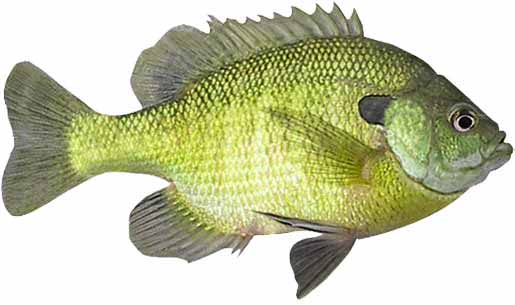
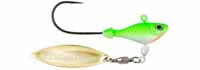
Current Fishing Report: Good To Very Good
Bluegill are a primary food source for predator fish in Lake Monroe, as well as a fun fish to catch.
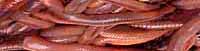
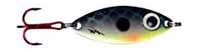
SUMMER. Following the spawn, most of the bigger bluegill have migrated to thick cover, or into deeper water, around 10 feet deep. They are being caught in good numbers, and size, early and late in the day. Many good reports come from anglers fishing around lily pads, bulrushes and eelgrass. They prefer weedy areas, often hanging out on weedy flats and ledges during the heat of the day. Small spoons, underspins, and crankbaits are catching some of the bigger bluegill. Nightcrawlers are also catching good numbers.
- Hydrilla edges in 5 to 8 feet of water
- Boat docks with heavy shade
- Lily pad fields throughout the lake
- Brush near canal entrances
- Eelgrass beds along the western shoreline
FALL. Cool, Fall weather drops the water temperature in the shallows and lures bluegill to move up along the shoreline. Steep banks and shallow areas with quick drop-offs are holding schools now.
- Outer weedlines near the Wekiva River mouth
- North shoreline canal mouths
- Shallow grass flats
- Brush-lined shoreline west of Sanford
- Docks with submerged vegetation
WINTER. Cooling shallows will drive the bluegill back to deeper structure with cover, in water ranging from 10 to 15 feet deep. In areas with no cover, anglers are finding them along flats and ledges with sharp drops into deeper water.
- Deep grass edges near Sanford
- Protected canals on the north shoreline
- Brush along the western shoreline
- Old river channel ledges
- Residential docks with submerged vegetation
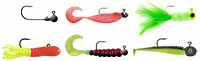
SPRING. In early Spring, bluegill migrate from deep winter holding areas toward the shoreline areas, and are typically caught around 5 to 10 feet deep. As the water warms to the mid 70's they will begin the spawning ritual, building nests in 1 to 3 feet of water. Many of the bigger bluegill prefer to spawn a bit deeper, depending on water clarity. Small spinners and swimbaits, or jigs tipped with small pieces of nightcrawlers are good choices for catching a lot of bluegill in spring.
- Sandy spawning beds along the west shoreline
- Lily pad fields near the Wekiva River mouth
- Shallow eelgrass coves
- Protected bays near Sanford
- Reed-lined shoreline pockets along the south shore
Lake & Fishing Video
Fishing tips for boat or bank fishing
Fish species to fish for...
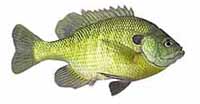
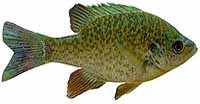
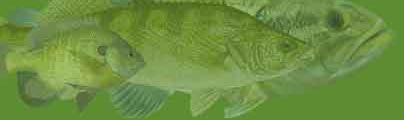
Guide to fishing for largemouth bass, black crappie, bluegill and redear sunfish at Lake Monroe in Florida.
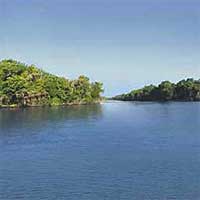
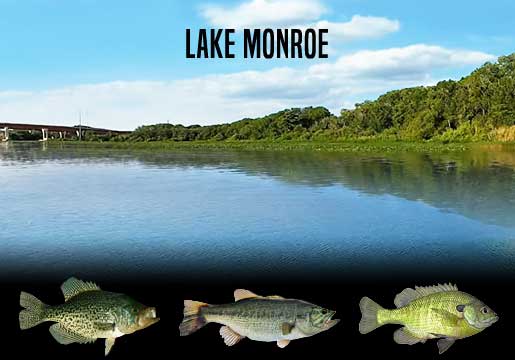
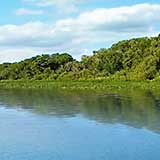
Lake Monroe is a 9,400-acre lake with over 30 miles of shoreline. Bass and crappie fishing are the main attractions here, however bluegill and redear sunfish are also prevalent. Visitors can find areas for fishing from the bank, both on the main lake and the river sections.
Primary fish species to catch
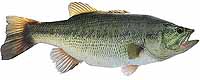
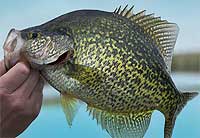
Click images for fishing tips and details about each species.
Today's Weather & Forecast
Fishing Boat Rentals
Click here for fishing boat rentals.
Public Boat Launch Ramps & Landings
Click here for boat ramps.
Marinas
Click here for marinas.
Fishing License
Click here for a Florida Fishing License.
Map - Fishing & Access
Rick Seaman is a fishing enthusiast with over five decades of fishing experience, a retired tournament fisherman, author of numerous published articles on fishing, and co-author of the book "Bass Fishing - It's not WHAT you throw, It's WHERE you throw it".
Contact Information
Lake Monroe Park
975 S Charles Richard Beall Blvd
DeBary, FL 32713
386 668-3825
Fishing lakes in each state


FLORIDA
Fishing for black crappie and bass in eastern FL.
