



Canyon Lake Fishing Report


Boat and Bank Fishing
By Rick Seaman
Last updated on .
Current, General Fishing Conditions Report - For All Species: ★★★★☆
Fishing Reports
Popular Fish Species Canyon Lake, AZ
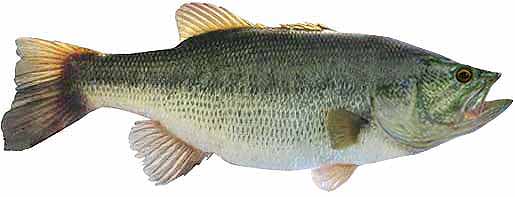
Fishing Report: Largemouth Bass
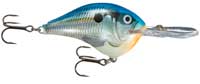

Current Fishing Report: Fair To Good
Bass fishing is currently experiencing major changes in the way anglers are approaching the sport. The expanded use of high-tech fish finders is giving anglers, who fish from a boat, a distinct advantage. The fishing hasn't really changed, but the catch rate has increased considerably. The advent of new lures and equipment has improved success for anglers fishing from the bank as well. Savvy anglers, who study bass patterns, continue to catch nice fish, with or without the new gadgets.
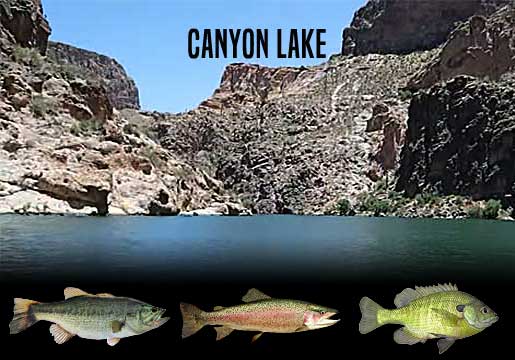
Canyon Lake is a 950-acre lake with 28 miles of shoreline. Until recently, it was home to the state record largemouth bass, and there are plenty of bragging size bass swimming here. Due to the clear water, light line and small offerings are the key to catching some of the better quality bass. Early and late in the day, and on cloudy days, the fish are less cautious. According to local pro, Gary Kimball, 4-inch plastic worms, small grubs and live night crawlers are among the best bait options.
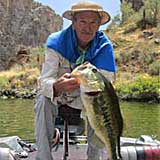 Straight across from the Palo Verde Boat Launch, the section of river area around Blue Tank Cove up to Barranc Creek, and the rocky area around Ittindi Rock, have all been good areas for many years. Local anglers are using topwater lures, jigs and crankbaits along rocky shorelines, to catch aggressive bass.
FALL. Now that late Fall taking over, bass are moving out of shallow coves and shallow bays, following schools of baitfish back into 6 to 15 feet of water. Popular areas with easy access, include the Canyon Lake Marina and along Boulder Recreation Site. Currently jerkbaits, deep-diving crankbaits, slow-rolled spinnerbaits, artificial worms, spoons and drop shots are catching most of the bass. Later in Fall, as deeper water cools, bait and bass move out to ledges, channel edges, points and humps where flutter spoons, jigs and drop shots are often good choices in 12 to 25 feet of water.
- Main-lake points near Canyon Dam
- Creek channel swings in Tule Creek
- Secondary points in First Water Canyon
- Rocky shorelines along Boulder Creek
- Shad-filled coves in the upper lake
WINTER. Winter will isolate largemouth around slightly deeper structure, flats, points and creek channels. Topwater can be good early and late in the day, after water temperatures rise into the 60's. A stick worm, rigged wacky style, often teases bass to strike. They can be found from 20 to 50 feet deep, around main-lake channel edges, and rock piles. Here they hold, feeding less frequently, awaiting warmer water to return in Spring. Slow presentations are key to getting bites. On warmer days, especially during late afternoons, bass may move shallower to feed.
- Deep ledges near Canyon Dam
- Main Salt River channel bends
- Brush piles off primary points
- Steep bluff walls bordering deep water
- Rocky points near First Water Canyon
SPRING. Once water temperatures rise into the low 60's, largemouth will move from deep wintering holes, to shallower water nearby spawning areas. Gravel banks, shallow rocky shorelines, gravel flats and protected coves are typical spawning areas. Anglers report good topwater action from mid Spring through Summer, especially early in the morning, and on cloudy days. Jerkbaits and spinnerbaits typically get bites just away from the shoreline. At this time they are feeding aggressively in about 2 to 12 feet of water, and preparing for the spawn. Once water warms into the mid to high 60's, they will move into 2 to 5 feet of water, and create nests, then lay their eggs. Immediately afterwards, females move to deeper water and males remain to guard the eggs, and then the fry. After a couple weeks, the males also move to slightly deeper water, around 6 to 20 feet deep. Deep-diving crankbaits, vibrating jigs, plastic worms, jigs, worms, and swimbaits catch bass during this period.
- Protected spawning coves in Tule Creek
- Shallow pockets in First Water Canyon
- Flooded shoreline brush in Boulder Creek
- Secondary points leading into spawning coves
- Warm rocky flats along the upper reservoir
SUMMER. Water temperatures will warm considerably in Summer. Bass will feed shallow, early and late in the day, where they will be caught in 10 to 30 feet of water, on topwater lures, square-bill crankbaits, spinnerbaits and a variety of other lures. Wacky-rigged stick worms always catch finicky bass when the bite is slow. Largemouth bass here feed on shad, herring, small sunfish and crawfish. During the hotter parts of the day, they are being caught on points, channel edges, and ledges 30 to 60 feet deep. Some of the best reports seem to be from anglers fishing around the Point campground, the marina, and Boulder Recreation Site.
- Main-lake points near Canyon Dam
- Deep rock ledges in First Water Canyon
- Brush piles along submerged creek channels
- Standing timber in Boulder Creek
- Shaded cliff walls along the Salt River channel
Fishing Report: Rainbow Trout
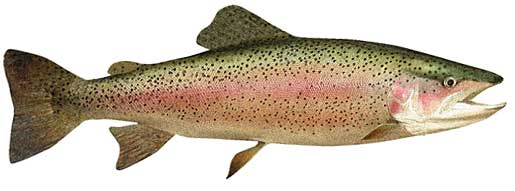
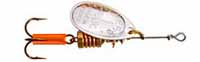
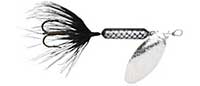
Current Fishing Report: Good
The use of new technology is helping anglers catch more rainbow trout. Forward-facing, and side scanning, sonar is currently the best way to locate trout, especially when they school in deep water. Rainbows are caught trolling, casting or jigging, once located on these sophisticated fish finders.
>Thanks to a regular stocking program by the Arizona Game & Fish Department, Canyon Lake offers great fishing for rainbow trout. Anglers are consistently catching these trout in the area around Acacia Recreation Area, and the Palo Verde Recreation Site. Both areas offer easy access for fishing from the bank. Some of the bigger rainbows are being caught farther up lake, as some trout do migrate up lake where there is less trout-fishing pressure. Successful anglers report using small spinners, miniature swimbaits, nightcrawlers, salmon eggs and prepared baits to trick these stocked rainbow trout.
FALL. Cooling water temperatures in the shallows, drive rainbow trout out deeper. Anglers are now catching them 6 to 15 feet deep on rocky banks, wind-blown points, rocky structure, humps, and anywhere baitfish are gathering. Potters Creek and Canyon Lake Marina are popular areas in Fall. Now that they had a full summer to grow, there are some nice size rainbow to be caught. Small spinners, spoons, jigs, miniature crankbaits and swimbaits are good choices, as are salmon eggs and prepared baits. Later in Autumn, they move into 8 to 20 feet of water.
- Canyon Dam stocking area
- Deep water below the dam cliffs
- Main-lake basin near the marina
- Rocky shoreline around First Water Canyon
- Salt River channel near the lower lake
WINTER. When Winter sets in, some of the best trout fishing of the year delights anglers. Jigging spoons, and jigs tipped with bait, are catching nice limits of rainbows out of 6 to 18 feet of water. These baits work well around the old river channels and the deeper humps and cuts. Trolling with leaded line or downriggers, or vertical jigging with spoons and jigs, are the best approach during the cold-water season, around 15 to 30 feet deep. Slowly worked offerings are more likely to attract bites in this cold water.
- Recently stocked waters near Canyon Dam
- Deep basin below the dam
- Cool-water shoreline near the marina
- Rocky points in the lower reservoir
- Deep water along the Salt River channel
SPRING. As water begins to warm in early Spring, rainbow trout move from their late winter holding areas to shallow, warmer water 6 to 15 feet deep. A good number of rainbows are typically caught from mid morning to late afternoon, during the warmest water of the day. Shallow flats and rocky structure are quick to warm in the afternoon sun. A wide variety of small spinners, spoons and bait are catching most of the fish. Around creek channel inlets and drop offs, rainbows often drop into 10 to 25 feet of water.
- Canyon Dam trout stocking zone
- Rocky shoreline near the marina
- First Water Canyon points
- Cool-water pockets along the lower lake
- Deep shoreline breaks below the dam
SUMMER. Once Summer is here to stay, fishing reports for trout indicate poor fishing results. The warmer water drives rainbow deeper, 30 to 60 feet deep, occasionally deeper. Trolling with spoons, spinners and crankbaits, using downriggers or leaded line, and drift fishing with bait, are currently the most productive methods. Following drop-offs into deeper water, along structure or creek channels, is a major key to getting bites. Anglers fishing from the bank are using nightcrawlers or Berkley PowerBait, with heavy weights on a Carolina rig, to get baits in deeper water.
- Deep cool water near Canyon Dam
- Lower lake thermocline
- Steep cliff walls bordering deep water
- Deep basin near the marina
- Salt River channel below the dam area
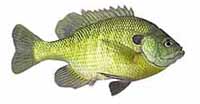
Fishing Report: Bluegill
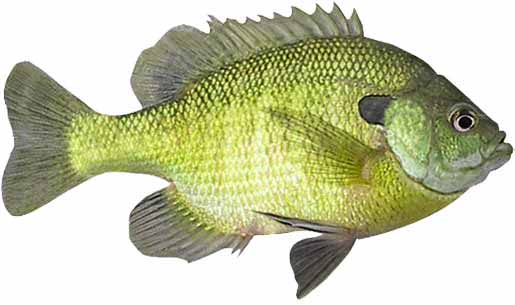
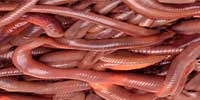

Current Fishing Report: Fair To Good
Bluegill are a primary food source for predator fish in Canyon Lake, as well as a fun fish to catch.
FALL. Cooling, Fall weather dropped the water temperature in the shallows and is driving bluegill into deeper water, around 3 to 10 feet deep. Steeper banks and shallow, weedy areas with drop-offs are holding bluegill. Later in Fall, as the shallows get colder, bluegill will move into 4 to 12 feet of water, in the same areas.
- Brush-filled coves in Tule Creek
- Rocky shoreline pockets in First Water Canyon
- Boat docks at Canyon Lake Marina
- Weedy shoreline flats in Boulder Creek
- Laydown trees along protected coves
WINTER Cooling shallows have driven the bluegill back to deeper cover, in water ranging from 6 to 12 feet deep. In areas with no cover, anglers typically find them around sharp drops, into even deeper water. Small baits, on light tackle, worked slowly tends to get the best results.
- Deep brush piles near Canyon Dam
- Standing timber in Boulder Creek
- Main-lake drop-offs adjacent to rocky banks
- Deep marina docks
- Protected channel edges in Tule Creek
SPRING. In early Spring, bluegill migrate from winter holding areas toward the shoreline areas, and are typically caught around 1 to 8 feet deep. As the water warms to the mid 70's they will begin the spawning ritual, building nests in 1 to 3 feet of water. Many of the bigger bluegill prefer to spawn a bit deeper, depending on water clarity. After the spawn, bluegill drop to 5 or 8 feet deep. Small spinners and swimbaits, or jigs tipped with small pieces of nightcrawlers are good choices for catching a lot of bluegill in Spring. A hook, line, weight and bobber, with small pieces of worms, also catches lots of bluegill.
- Shallow spawning coves in Tule Creek
- Protected shoreline pockets in Boulder Creek
- Boat docks at Canyon Lake Marina
- Flooded brush along the upper shoreline
- Warm rocky flats in First Water Canyon
SUMMER. Following the spawn, most of the bigger bluegill migrate to deeper water, around 8 to 25 feet deep. They prefer rocky or weedy areas, often hanging out on steep, rocky banks where they can move up and down to feed without having to travel a great distance. Small spoons, underspins, and mini-crankbaits are catching some of the bigger bluegill. Earthworms are also catching good numbers. Early and late in the day, anglers catch them in 2 to 10 feet of water.
- Brush piles in Tule Creek
- Boat docks at Canyon Lake Marina
- Standing timber in Boulder Creek
- Rock-and-brush shoreline transitions
- Shaded coves along the eastern shoreline
Lake & Fishing Video
Fishing tips for boat or bank fishing
Fish species to fish for...
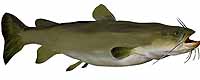
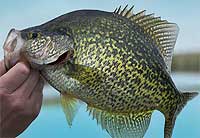
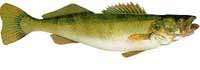
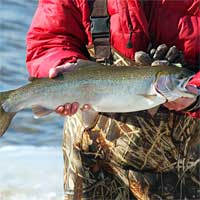
Guide to fishing for largemouth bass, smallmouth bass, channel catfish, flathead catfish, black crappie, walleye, rainbow trout, bluegill and yellow bass at Canyon Lake in Arizona.
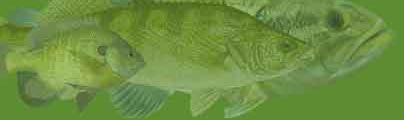
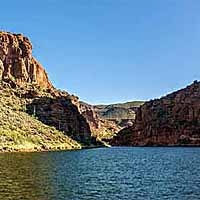 Canyon Lake is set in deep canyons with spectacular views. Largemouth bass are a favorite among anglers, and they grow big here. Light line is often a key to success, using finesse techniques. Stocked rainbow trout are another favorite species.
Primary fish species to catch
Click images for fishing tips and details about each species.
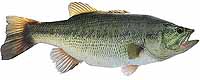
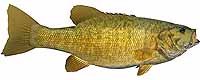
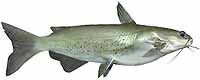

Enjoy Fishing At Canyon Lake
Today's Weather & Forecast
Fishing Boat Rentals
Click here for fishing boat rentals.
Marinas
Click here for marinas.
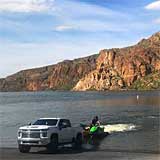 Boat Launch Ramps & Landings
There are several options for launching fishing boats at Canyon Lake. Click here for a list of boat ramps.
Fishing License
Click here for a Arizona Fishing License.
Map - Fishing & Access
 Rick Seaman is a fishing enthusiast with over five decades of fishing experience, a retired tournament fisherman, author of numerous published articles on fishing, and co-author of the book "Bass Fishing - It's not WHAT you throw, It's WHERE you throw it".
Contact Information
Canyon Lake Marina & Campground
16802 N.E. Highway 88
Tortilla Flat, AZ 85219
480 288-9233
Fishing lakes in each state


ARIZONA

Information about fishing lakes in Arizona
Canyon is a great place to catch a trophy bass. And boat rentals and lake cruises are available.
