



Martinez Lake Fishing Report


Boat and bank fishing
By Rick Seaman
Last updated on .
Current, General Fishing Conditions Report - For All Species: ★★★★☆
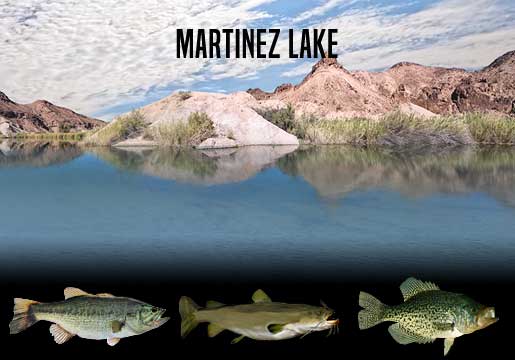
Martinez Lake currently earns a 4.5-star rating for overall fishing. This lower Colorado River backwater is one of southwestern Arizona's top fisheries for largemouth bass, flathead catfish, channel catfish, striped bass, crappie, and bluegill. Recent fishing reports indicate very good bass fishing around tule edges, submerged vegetation, and backwater channels, while flathead catfish continue to provide excellent action during the warmer months. Seasonal flows on the Colorado River can influence fishing, but the lake consistently supports healthy fish populations. The extensive network of backwaters, marshes, canals, and submerged cover makes Martinez Lake one of Arizona's most productive warmwater fisheries. Its relatively light fishing pressure compared to Lake Havasu contributes to its consistently high rating.
Fishing Reports
Popular Fish Species Martinez Lake, AZ
Fishing Report: Largemouth Bass
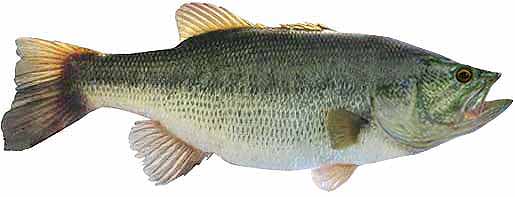
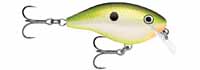
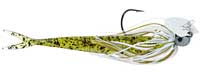
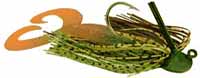
Current Fishing Report: Very Good
SPRING. As water temperatures rise into the high 60's, largemouth are moving from wintering holes, to shallower water near spawning areas. Anglers report good topwater action from mid Spring through Summer. Vibrating jigs, crankbaits and spinnerbaits are getting bites, as well as jigs and worms pitched or flipped into tules and vegetation. Currently they are feeding aggressively in about 2 to 5 feet of water, and preparing for the spawn. Once water warms into the mid to high 60's, they will move into 1 to 3 feet of protected water, and create nests, then lay their eggs. Immediately afterwards, females move to deeper water and males remain to guard the eggs, and then the fry. After a couple weeks, the males also move to slightly deeper water. Vibrating jigs, plastic worms, jigs, spinnerbaits, and swimbaits catch bass during this period.
- Backwater sloughs off main channel
- Ferguson Lake, a prime spawning area
- Reed lines and tules pockets
- Protected coves with minimal current
- Imperial Dam backwaters
SUMMER. Water temperatures will warm considerably in Summer. Bass will feed shallow, early and late in the day in 3 to 10 feet of water, on topwater lures, square-bill crankbaits, spinnerbaits and a variety of other lures. Largemouth bass here feed on shad, tilapia, small sunfish and crawfish. During the hotter parts of the day, they are typically caught in deeper shady areas. Wacky-rigged stick worms often catch finicky bass when the bite is slow.
- Deeper outside weed edges, 6–10 ft
- Shaded reed edges and overhangs
- Docks and submerged brush
FALL. When Fall arrives, bass here will follow schools of baitfish into back-water bays, where crankbaits, swimbaits, and slow-rolled spinnerbaits have been successful in prior years. In early Fall, anglers typically have success in 2 to 10 feet of water. Some of the larger bass will seclude themselves away from the school, often in slightly deeper water.
- Grass edges and reed lines
- Channel edges with shad schools
- Ferguson Lake flats
- Banks with baitfish concentration
- Backwater coves with bait activity
WINTER. The cold of Winter will isolate largemouth around deeper cover and the river channels. Water temperatures are usually in the 50's to low 60's, and bass can be found near deeper cover and structure, occasionally shallower on warm, sunny days. Here they hold, feeding less frequently, awaiting warmer water to return in Spring. Slow presentations with jigs, finesse worms, or swimbaits are often the key to getting bites.
- Deeper reed edges
- Submerged vegetation lines
- Current-protected backwaters
Fishing Report: Flathead Catfish
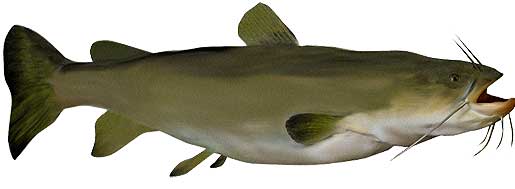

Current Fishing Report: Very Good To Excellent
SPRING. Now that Spring has arrived and water temperatures are rising into the 60's, flathead catfish start their migration up river. They hold, and feed aggressively, around cover in medium depth water. Once the water warms into the mid 70's, they begin the spawning ritual. Slip sinkers, 3-way rigs, or Carolina rigs all work well, with enough weight to keep the bait close to the bottom, especially in current.
- Imperial Dam area
- Colorado River channel edges
- Deep holes near bends and outside turns
- Backwater entrances off the main channel
- Submerged timber and log jams
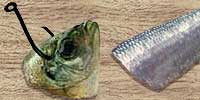
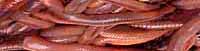
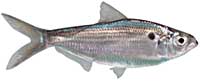
SUMMER. This is the ideal time to catch a trophy flathead. In Summer, slow-moving water is usually productive. Flatheads are feeding deeper during the day, and in shallower at night. Successful anglers are using live cut bait and shrimp, or live bluegill, shad and sunfish caught out of this lake. Night fishing with live bluegill has delivered many of the larger cats, as this is prime feeding time.
- Deep river holes
- Outside bends with current
- Channel drop-offs near backwater mouths
FALL. Fall is also a good time of year for catching big flatheads. Creek channels, and the mouth of off-shoot coves, are where most big flatheads are caught. They roam around and feed fairly aggressively.
- River-to-backwater transition zones
- Channel edges near flats
- Edges of reed lines near deeper water
- Wind-protected coves with baitfish
WINTER. In Winter, the flatheads go virtually dormant, especially if water cools into the low 50's. They hole up in deep pockets deep along channel edges, and await warmer water in Spring. Anglers with boats are getting ideal access to these holding areas, but some anglers fishing from the bank are still catching a few.
- Deep river channel holes
- Slow current areas
- Main channel bends
- Submerged structure
Fishing Report: Black Crappie
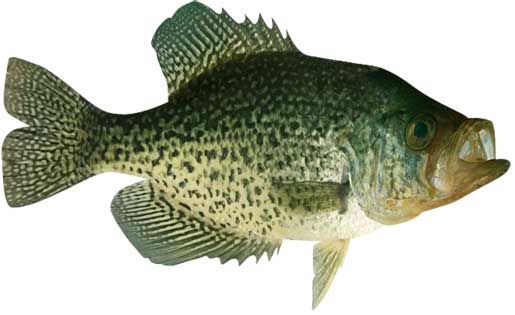
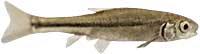
Current Fishing Report: Fair To Good
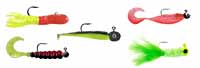
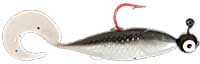
SPRING. In early Spring, crappie begin staging in 6 to 12 feet of water, just outside spawning bays and shallow flats. Spring is prime time to be on the water, as crappie have moved shallow to spawn. At that time, they are typically caught in 2 to 6 feet of water. Vegetation, rip rap, docks, brush and wood are where most anglers catch crappie, using small crappie jigs or live minnows. After the spawn, crappie typically move outside the spawning area and hold on cover nearby, in 12 to 15 feet of water. Once they move deep, anglers report success using fish finders and forward facing sonar to locate schools of crappie, which tend to stack vertically around cover.
- Ferguson Lake is a top crappie area
- Backwater sloughs with vegetation
- Reed-lined coves and pockets
- Calm, protected shoreline pockets
SUMMER. Water temperatures get quite warm, and crappie fishing is usually decent. They feed early and late in the day, until the hot Summer sun causes them to retreat to depth or shady cover. Many have embedded in medium-depth vegetation.
- Channel edges and drop-offs
- Deeper tules and vegetation
- Dock pilings and shaded structure
- Backwater mouths with current flow
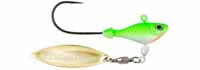
FALL. As Fall begins cooling the shallows, baitfish, move into shallower coves and pockets, which draws crappie into these areas. They will be schooling and feeding heavily in preparation for the cold Winter, in 5 to 10 feet of water. Minnows, hair jigs, and crappie jigs, are good options during this feeding marathon. Late Fall which turns the shallows cold, starts pushing crappie deeper, toward winter holding areas. Small flutter spoons, fished in 7 to 10 feet of water, are a good option during this transition.
- Wind-blown banks with baitfish
- Ferguson Lake flats
- Grass and reed edges
- Channel edges near shallow flats
WINTER. Once the shallows turn cold, crappie migrate to deeper holding areas, mostly off shore. Here, they are typically caught using a very slow presentation, in 12 feet of water or deeper. Most are caught around brush along creek channel bends and main-lake structure. When they suspend in open water, they often relate to some cover, or structure change, directly below them. During warming trends, especially warm afternoons, they are drawn into 10 to 14 feet of water to feed. Light tackle, with 4 lb to 8 lb line, is a popular choice.
- Channel edges and holes
- Protected backwaters with stable water temperature
- Drop-offs near flats
Lake & Fishing Video
Fishing tips for boat or bank fishing
Fish species to fish for...
Guide to fishing for largemouth bass, smallmouth bass, channel catfish, flathead catfish, black crappie, bluegill, green sunfish, redear sunfish, tilapia and striped bass at Martinez Lake in Arizona.
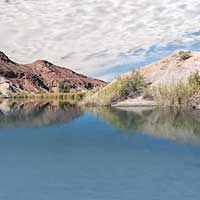
Martinez Lake is a 300- to 500-acre impoundment which accesses nearly 35 miles of riverfront on the Colorado River. It is home to a wide range of fish species, including largemouth bass, flathead catfish, crappie, channel catfish, smallmouth bass, striped bass, and panfish.
Primary fish species to catch
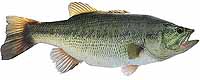
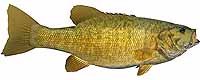
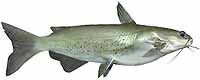
Click images for fishing tips and details about each species.
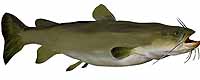
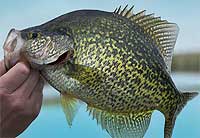
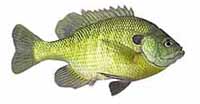
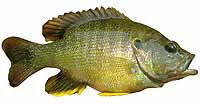
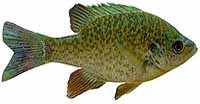
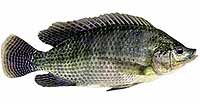
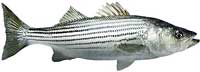
Today's Weather & Forecast
Public Boat Launch Ramps & Landings
Click here for boat ramps.
Fishing License
Click here for a Arizona Fishing License.
Map - Fishing & Access
Rick Seaman is a fishing enthusiast with over five decades of fishing experience, a retired tournament fisherman, author of numerous published articles on fishing, and co-author of the book "Bass Fishing - It's not WHAT you throw, It's WHERE you throw it".
Contact Information
Fisher's Landing Resort & Campground
10882 Swede Way
Yuma, AZ 85636
928 782-7049
Fishing lakes in each state


ARIZONA

Information about camping and fishing lakes in AZ.
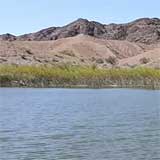
Martinez offers back-water, bass fishing plus a chance to fish current in the Colorado River.
