



Big Lake Fishing Report


Boat and bank fishing
By Rick Seaman
Last updated on .
Current, General Fishing Conditions Report - For All Species: ★★★★★
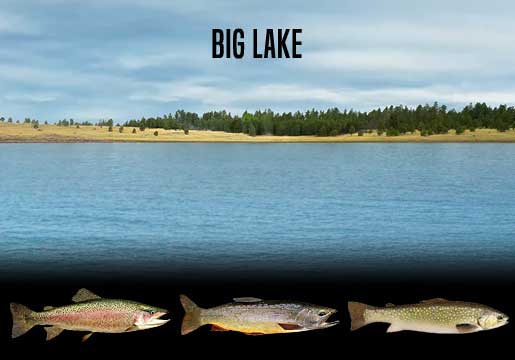
Big Lake currently earns a 5-star rating for overall fishing. Located at over 9,000 feet in Arizona's White Mountains, Big Lake is widely regarded as one of the state's premier trout fisheries. It supports outstanding populations of rainbow trout, brook trout, cutthroat trout, Apache trout, and Arctic grayling, with regular stocking by the Arizona Game and Fish Department. Recent fishing reports indicate excellent catch rates for rainbow trout, with anglers also enjoying consistent success targeting brook and Apache trout throughout the open-water season.
Fishing Reports
Popular Fish Species Big Lake, AZ
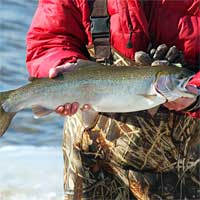
Fishing Report: Rainbow Trout
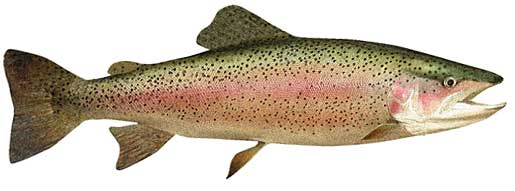
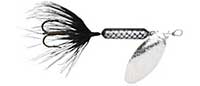
Current Fishing Report: Good To Very Good
The use of new technology is helping anglers catch more rainbow trout in lakes. Forward-facing, and side scanning, sonar is currently the best way to locate trout, especially when they school in deep water. Rainbows are caught trolling, casting or jigging, once located on these sophisticated fish finders. Fly fishing is not covered in this website, but rainbow trout are being caught on plenty of other lures and bait.
SPRING. As the water is beginning to warm this early Spring, rainbow trout are moving from their late winter holding spots, to feeding areas in 8 to 15 feet of water. A good number of rainbows are being caught from mid morning to late afternoon, during the warmest water of the day. Inlets and creek mouths, as well as rocky shorelines and rip rap tend to warm quickly and attract feeding and pre-spawn fish. Shallow flats and rocky structure are also quick to warm in the afternoon sun. Creek mouths, points, shallow coves, and flats adjacent to deep water are popular in Spring. Late Spring finds them feeding in 3 to 10 feet of water, after they spawn. A wide variety of small spinners, spoons and bait are catching most of the fish.
- Railroad Cove drop-offs and spawning areas
- Dam area
- South Cove warming flats
- Inlets and creek mouths
- North shoreline wind-blown banks
SUMMER. Once Summer arrives, the warmer water will drive rainbow deeper, 8 to 15 feet deep, occasionally deeper. Trolling the main basin with spoons, spinners and crankbaits, using downriggers or leaded line, and drift fishing with bait, are currently the most productive methods. Later in the Summer they hang out in 12 to 20 feet of water. Trout commonly suspend above the thermocline, over humps, deep channel edges and mid-lake structure. Following drop-offs into deeper water, along structure or creek channels, is a major key to getting bites. Early and late in the day they feed shallower. Anglers fishing from the bank are using nightcrawlers or Berkley PowerBait, with fairly heavy weights on a Carolina rig, to get baits into deeper water.
- Deep weed edges
- Mid-lake drop-offs
- Points near campgrounds
- Shoreline edges with shade
- Submerged structure near marina
FALL. Cooling water temperatures in the shallows, again draw rainbow trout out of deeper Summer depths. Anglers catch them 10 to 18 feet deep on rocky banks, wind-blown points, and flats in the upper regions of the lake. Rainbows also feed on deeper rocky structure, humps, and ledges, anywhere baitfish gather. By Fall, these trout have had a full season to grow, and there are typically some nice size rainbow to be caught. Small spinners, spoons, jigs, miniature crankbaits and swimbaits are good choices, as are salmon eggs and prepared baits. Later in Autumn, they move into 3 to 10 feet of water.
- Railroad Cove staging area
- Shoreline drop-offs nearby campgrounds
- Dam and deeper basin edges
- Weed line edges
- Wind-blown shorelines with bait activity
WINTER. Once Winter sets in, the access roads are closed, and the lake is covered with snow and ice, but ice fishing is not viable.
Fishing Report: Cutthroat Trout
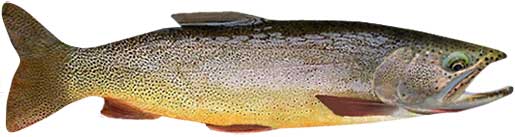

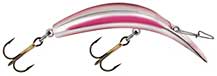
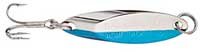
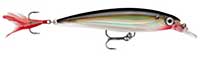
Current Fishing Report: Good
Fly fishing is not covered in this website, but cutthroat trout are being caught on plenty of other lures and bait. The diet of these cutthroat trout consists of insects, small fishes and crustaceans.
SPRING. As lake access opens, water is warming. Cutthroat trout are moving from their winter holding areas into shallow, warmer water - 12 to 18 feet deep. They seek out incoming water from rivers, streams and snow-melt runoff. Generally, cutthroats will be drawn to these areas to spawn in clear, shallow water. The spawn usually occurs in April or May. Most cutthroat will be caught early in the morning or late afternoon. A wide variety of small spinners and spoons typically catch most of the fish. Later in Spring, these trout are caught 5 to 12 feet deep.
- Railroad Cove is a top cutthroat area
- South Cove
- Shoreline gravel flats near campgrounds
- Drop-offs just outside spawning areas
SUMMER. Once Summer arrives, the warmer water drives cutthroat deeper, 10 to 16 feet deep. They seek out deep holes near shallow-water feeding areas. Fishing is best from dusk, throughout the night, and early in the morning, in 14 to 20 feet of water. Trolling, using downriggers or leaded line, and drift fishing with bait, produce the majority of bites.
- Edges of submerged weed beds
- Points extending into deeper water
- Mid-lake drop-offs near coves
- Deep edges off Railroad Cove and South Cove
- Near marina structure and boat lanes
FALL. Cooling water temperatures again draw rainbow trout shallower. Anglers are catching them 12 to 18 feet deep on points, ledges, rocky structure, humps, and anywhere baitfish are gathering. Now that they had a full summer to grow, there are some bragging size cutthroat catches fairly often. Later in Fall they will move into 5 to 12 feet of water. Small spinners, spoons, miniature crankbaits and swimbaits are catching cutthroat, as are salmon eggs and prepared baits.
- Railroad Cove where trophy cutthroat stage
- Sharp shoreline drop-offs
- Wind-blown shorelines with bait concentration
- Gravel flats near spawning areas
- Dam area drop-offs
WINTER. Once Winter sets in, the access roads are closed, and the lake is covered with snow and ice, but ice fishing is not viable.
Fishing Report: Brook Trout
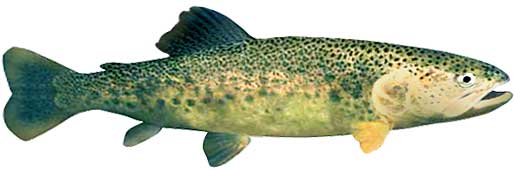
Current Fishing Report: Good To Very Good
Fly fishing is not covered in this website, but brook trout are also being caught on other lures and bait. The diet of a brook trout consists of insects, small fishes and crustaceans.
SPRING. Anglers are finding brook trout in 8 to 16 feet of water early in the day, around weed edges near deeper water, where anglers are catching them on spinners and flatfish. Stream inlet mouths, and weedy areas along the north and east shorelines are popular. As the water warms, brookies drop into 4 to 10 feet of water later in the season.
- Drop-offs and gravel in Railroad Cove
- Rocky shorelines with quick depth changes
- South Cove warming flats
- Inlets and creek mouths
- Wind-blown shorelines
SUMMER. Seeking cooler water temperatures, brook trout migrate to deeper, cooler water. Early mornings find them in 10 to 16 feet deep. Mid day they drop into 14 to 22 feet of water. Brook trout are caught at this time using a wide variety of lures and baits.
- Mid-lake drop-offs near deeper coves
- Weed edges adjacent to deeper water
- Points extending into deeper water
- Basin drop-offs near the dam
FALL. As the weather begins to cool in Fall, brookies are getting more active, typically in 10 to 18 feet of water, or less. Brookies here spawn in fall, typically in September or early October. They are typically caught on virtually any trout lure, from spinners shallow, to crankbaits in 3 to 10 foot of water, and on jigs, bait and spoons in deeper water. Shallow bays, creek and inlet mouths, and flats along the north and east shorelines section of the lake, are popular for brookies.
- Railroad Cove
- Creek inlets & outlets with clean gravel
- Shallow gravel banks near South Cove
- Rocky shorelines next to deeper water
- Wind-exposed banks
WINTER. Once Winter sets in, the access roads are closed, and the lake is covered with snow and ice, but ice fishing is not viable.
Lake & Fishing Video
Fishing tips for boat or bank fishing
Fish species to fish for...
Guide to fishing for rainbow trout, cutthroat trout, brook trout and brown trout at Big Lake in Arizona.
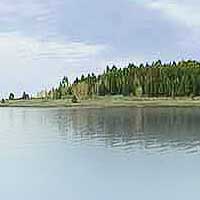
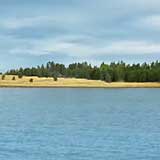
Big Lake is a 450-acre lake with about 8 miles of shoreline. This is the largest, and most productive, fishing lake in the area. Plenty of shoreline is accessible for fishing from the bank. Rainbow trout, cutthroat, brook and brown trout all thrive here.
Primary fish species to catch
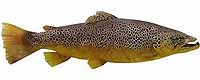
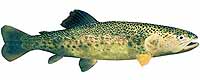
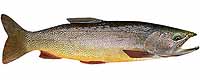
Click images for fishing tips and details about each species.
Today's Weather & Forecast
Fishing Boat Rentals
Click here for fishing boat rentals.
Marinas
Click here for marinas.
Public Boat Launch Ramps & Landings
Click here for boat ramps.
Fishing License
Click here for a Arizona Fishing License.
Map - Fishing & Access
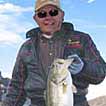
Rick Seaman is a fishing enthusiast with over five decades of fishing experience, a retired tournament fisherman, author of numerous published articles on fishing, and co-author of the book "Bass Fishing - It's not WHAT you throw, It's WHERE you throw it".
Contact Information
Apache Trout Campground
Apache Sitgreaves National Forest
Springerville AZ 85938
928 537-8888
Fishing lakes in each state


ARIZONA


Information about camping and fishing lakes in AZ.
If you enjoy trout fishing, Big Lake is a great choice.
