



Phelps Lake Fishing Report


Boat and bank fishing
By Rick Seaman
Last updated on .
Current, General Fishing Conditions Report - For All Species: ★★★☆☆
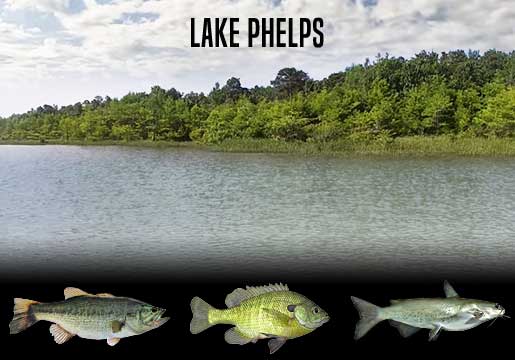
Lake Waco currently earns a 4.5-star rating for overall fishing. This productive central Texas reservoir is well known for excellent fishing opportunities for largemouth bass, crappie, white bass, channel catfish, blue catfish, and sunfish. Recent reports from Texas Parks and Wildlife and local anglers indicate very good fishing for largemouth bass and catfish, with crappie fishing remaining productive around bridge pilings, submerged timber, and brush piles. Seasonal white bass runs into the Bosque River arms provide additional outstanding action in the spring.
Fishing Reports
Popular Fish Species Phelps Lake, NC
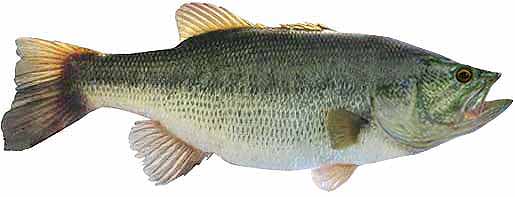
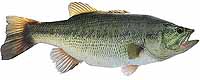
Fishing Report: Largemouth Bass
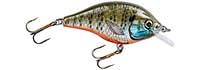
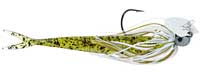
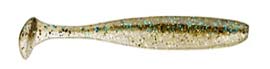

Current Fishing Report: Very Good To Excellent
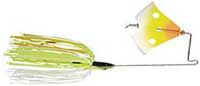
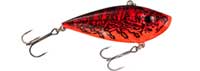
SPRING. Water temperatures have risen into the 60's, largemouth are moving from deep wintering holes, to shallower water near spawning areas. Finesse lures, vibrating jigs, crankbaits, jerkbaits and spinnerbaits are getting bites. At this time they are feeding aggressively in about 2 to 6 feet of water, and preparing for the spawn. Once water warms into the mid to high 60's, they will move into 1 to 4 feet of water, and create nests, then lay their eggs. Immediately afterwards, females move to deeper water, and males remain to guard the eggs, and then the fry. After a couple weeks, the males also move to slightly deeper water. Anglers report good topwater action from mid Spring through Summer, especially early in the morning, and on cloudy days. Crankbaits, vibrating jigs, drop shots, plastic worms, jigs, and swimbaits catch bass when they are not shallow.
- Shoreline grass beds along Pettigrew State Park
- Northwest shoreline flats
- Scuppernong River canal mouth
- Weed edges near main lake access ramp
SUMMER. Water temperatures will warm considerably in Summer. Bass will feed shallow, early and late in the day, where they are typically caught in 2 to 5 feet of water, on topwater lures, square-bill crankbaits, spinnerbaits and a variety of other lures. During Summer, keep an eye on the thermocline to determine the maximum depth to fish, as there is very little oxygen below the thermocline. Largemouth bass here feed on small sunfish and crawfish. During the hotter parts of the day, they are typically caught around 5 to 7 feet deep. Drop shots, and wacky-rigged stick worms often catch finicky bass when the bite is slow.
- Edges of deeper grass lines in 5 to 7 feet of water
- Thick lily pad fields and hydrilla mats
- Canal edges leading to Scuppernong River
- Wind-blown shorelines
FALL. When Fall arrives, bass here will follow schools of baitfish into coves and shallow bays where crankbaits, swimbaits, and slow-rolled spinnerbaits have been successful in prior years. In early Fall, anglers typically have success in 2 to 6 feet of water, around cover. As deeper water cools, bait and bass move out to deeper water. Some of the larger bass will seclude themselves away from the school.
- Wind blown banks with baitfish
- Canal mouths and inflows
- Mid-lake flats with scattered vegetation
- Open water edges near grass flats
WINTER. The cold of Winter will isolate largemouth around deeper structure areas and channels. Water temperatures are usually in the low high 40's to mid 50's, and bass can be found near the bottom from 3 to 6 feet deep, occasionally shallower on warm, sunny days. Often, some of the larger bass will isolate away from schools, slightly deeper. Here they hold, feeding less frequently, awaiting warmer water to return in Spring. Slow presentations with drop shots, jigs, finesse worms, or lipless crankbaits are often the key to getting bites.
- Dark-bottom flats which retain warmth
- Sparse grass edges in 4–6 ft
- Canal areas with slightly deeper water
- Protected shorelines out of wind
- North shorelines receiving most sunlight
Fishing Report: Bluegill
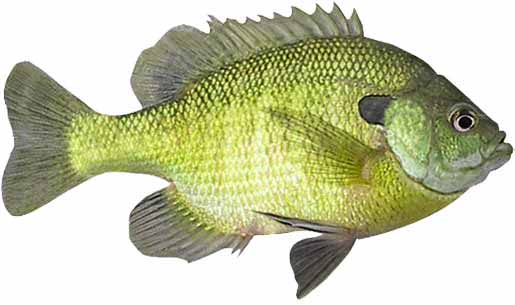
Current Fishing Report: Good To Very Good
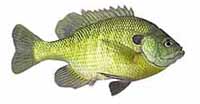
Bluegill are a primary food source for predator fish here, as well as a fun fish to catch.
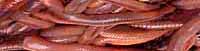
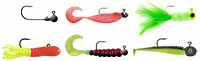
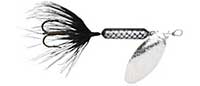
SPRING. In early Spring, bluegill migrate from winter holding areas toward the shoreline areas, and are typically caught around 3 to 5 feet deep. As the water warms to the mid 70's they will begin the spawning ritual, building nests in 1 to 3 feet of water. Many of the bigger bluegill prefer to spawn a bit deeper, depending on water clarity. After the spawn, bluegill drop to 2 or 4 feet deep. Small spinners and swimbaits, or hooks with small pieces of nightcrawlers are good choices for catching a lot of bluegill in Spring.
- Protected coves along Pettigrew State Park shoreline
- Sandy-bottom flats near shoreline vegetation
- Northwest shoreline
- Areas adjacent to the Scuppernong River canal
- Edges of lily pads and grass beds
SUMMER. Following the spawn, most of the bigger bluegill migrate to deeper water, around 4 to 6 feet deep. They prefer rocky or weedy areas, often hanging out on steep, rocky banks where they can move up and down to feed without having to travel a great distance. Small spoons, underspins, and mini-crankbaits are catching some of the bigger bluegill. Earthworms also catch good numbers. Early and late in the day, anglers catch them in 2 to 4 feet of water.
- Shoreline bedding areas
- Lily pad fields and submerged grass
- Canal edges with slow-moving water
- Slight drop-offs
- Wind-blown shorelines
FALL. Cooling, Fall weather drops the water temperature in the shallows and bluegill move shallow to feed, around the edges of weedlines in 2 to 5 feet of water. Shallow weedy areas with any drop-off, hold bluegill this time of year. Later in Fall, as the shallows get colder, bluegill will move out to 4 to 6 feet of water, in many of the same areas.
- Edge lines of dying vegetation
- Windy banks gathering plankton and insects
- Mid-lake flats with scattered cover
- Canal mouths and inflow areas
WINTER. Cooling shallows have driven the bluegill back to deeper cover, in water ranging from 3 to 6 feet deep. They are considerably less active due to the cold water. Small baits, on light tackle, worked slowly, tend to get the best results. Small pieces of worms, crickets, and small crappie jigs all catch bluegill, ideally using a bobber.
- Dark-bottom areas that absorb heat
- Sparse, deeper vegetation edges
- Protected shorelines out of wind
- Canal areas with slightly deeper water
- Northern shorelines
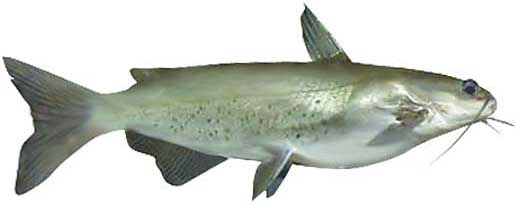
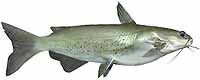
Fishing Report: Channel Catfish

Current Fishing Very Good
Although forward-facing sonar and other high-tech fish finders were designed for bass fishing, many catfish anglers, who fish from a boat, are now using them to locate channel catfish when they are in deeper water.
SPRING. Water temperatures have risen into the 50's, and channel catfish are migrating into coves, and up into the river. They are being caught 3 to 6 feet deep. They hold here, and feed aggressively, around relatively shallow cover until water warms into the mid 70's, at which time they begin the spawn process in 2 to 5 feet of water. Following the spawn, they move out toward the basin in deeper water. Anglers are using slip sinkers, 3-way rigs, or Carolina rigs to get, and keep, the bait close to the bottom. Later in Spring focus on shallower flats, during late evening and into the night.
- Scuppernong River canal mouth and connecting channel
- Northwest shoreline flats
- Shoreline areas with woody debris around Pettigrew State Park
- Slight depressions or troughs
- Soft-bottom flats adjacent to vegetation lines
SUMMER. In Summer, slow-moving water, at the river end of the lake may draw catfish to feed. Otherwise they are scattering, locating cover in slightly cooler water. Reports indicate the most successful anglers are using nightcrawlers, cut bait, minnows or shrimp. Most channel cats hold in 2 to 5 feet during the day, and shallow during the night. They spawn in June, in 2 to 5 feet of water. Fishing from late in the day until midnight produces some of the best results, as this is their prime feeding time.
- Canal edges and current near Scuppernong connection
- Wind-blown banks
- Slightly deeper troughs
- Thick vegetation edges bordering open water
FALL. Fall is one of the better times of year for catching channel catfish. Early in Fall they cruise the shallows in 3 to 4 feet of water, in search of food. Later, in the season they migrate away from the shallows and current, to moderately deep flats and channel edges on the main body of the lake. They can typically be found from 3 to 6 feet deep. Fishing for channel catfish is often productive around any kind of structure. Drift fishing or slow-trolling baits along mid-depth structure is popular and generally productive. Use a slip sinker or Carolina rig setup, with cut bait, nightcrawlers, shrimp or prepared baits. They typically remain in these areas and feed aggressively in preparation for Winter.
- Edge lines of dying vegetation
- Wind-blown shorelines
- Canal mouths and inflow areas
- Transition areas from mud, to sand or grass
- Mid-lake flats with subtle depressions
WINTER. Cold Winter weather drives channel catfish to gather in the deepest areas available. They become virtually dormant, especially once the water cools into the mid 40's to mid 50's. They hole up here, and await the warmer water of Spring. Slow presentations, especially cut bait, can still entice strikes. Often during mid day, through the afternoon, anglers report catching them a bit shallower.
- Canal channel and connecting deeper water
- Protected areas out of wind
- Deepest sections of the lake
- Soft-bottom basins holding heat
- North shorelines with maximum sun exposure
Fish species to fish for...
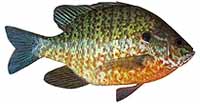
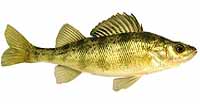
Fish for largemouth bass, channel catfish, bluegill, pumpkinseed sunfish and yellow perch at Lake Phelps in North Carolina.
Phelps Lake Fishing Video
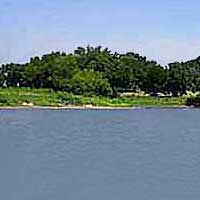
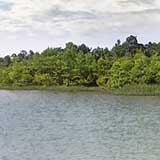
Phelps Lake is a 16,600-acre lake with about 15 miles of shoreline. The lake is a big bowl with little shoreline contour. Virtually all the banks have submerged trees, vegetation, and boats docks. There is limited access for fishing from the bank. Bass, catfish, sunfish and perch are the draw here.
Primary fish species to catch
Click images for fishing tips and details about each species.
Today's Weather & Forecast
Fishing License
>Click here for a North Carolina Fishing License.
Map - Fishing & Access
Rick Seaman is a fishing enthusiast with over five decades of fishing experience, a retired tournament fisherman, author of numerous published articles on fishing, and co-author of the book "Bass Fishing - It's not WHAT you throw, It's WHERE you throw it".
Contact Information
Pettigrew State Park
2252 Lake Shore Rd
Creswell, NC 27928
252 797-4475
Fishing lakes in each state


NORTH CAROLINA

Bass, crappie and sunfish fishing in northeast NC.
